Offshore Oil and LNG — Key Industry Solutions to the World’s Growing Energy Dilemma
May 2022 was an outstanding month for offshore oil and gas production news, with companies establishing new partnership agreements linking up the importance of Liquified Natural Gas (LNG) facilities to the rollout of Carbon Capture and Storage (CCS) technologies for a successful Energy Transition worldwide. However, energy security permeates the majority of discussions coming out of Southeast Asian countries (ASEAN) and China as those countries turn to more coal and LNG as a way to get industrial production going after the global pandemic.
I’ve compiled some of the latest business deals and industry trends affecting the Energy Transition around the globe. Read on about offshore oil production, FPSOs and LNG solutions and how organizations are choosing them for the current energy affairs.
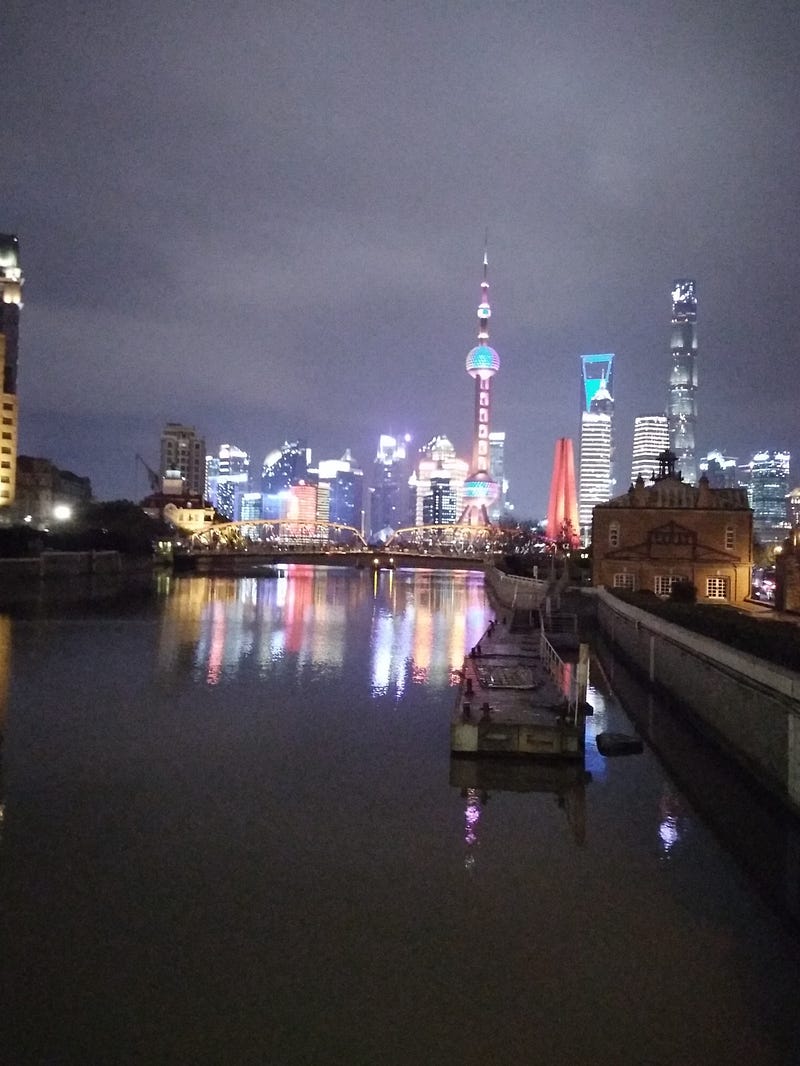
Transport Revolution in Eurasia
Many of the keywords resonating throughout the energy dilemma all point to one of the same source— the dilemma of transportation and shipping. An old problem, it has now become an even more complex issue due to technological advancements that allow natural gas to be liquified and stored on floating ships.
Before the rise in Floating Liquified Natural Gas (FLNG), the floating and storing phenomenon was already operating in full force, being used for offshore production operations in the oil industry. Floating, Production and Storage Operations (FPSO) are critical to successful offshore development platforms; otherwise, these operations would not be able to sustain effective production in offshore areas around the globe. That’s also why the shift from oil and gas production to renewable sources would potentially cause harm to a thriving offshore energy industry, with multitudes of capital investments and employment at stake.
Nevertheless, as onshore oil and gas production continues to generate greater scrutiny from regulators, investors and conservation activists alike, so then the offshore oil and gas industry has positioned itself to receive massive investments and government subsidies for the short-term outlook of global demand and supply. But this still won’t speak to any solutions for solving maritime threat dynamics, for which this nascent global transport revolution shall face with ongoing fears and uncertainties into the foreseeable future.
Industry trends and analyses reveal that countries throughout Europe and Asia will benefit the most from Liquified Natural Gas (LNG). Two signs of this occuring are VTG Rail Europe’s innovative LNG transport designs via railway network modes and the China National Offshore Oil Company’s (CNOOC) largest LNG storage tank built at a receiving terminal in Yancheng near the metropolitan city of Shanghai.
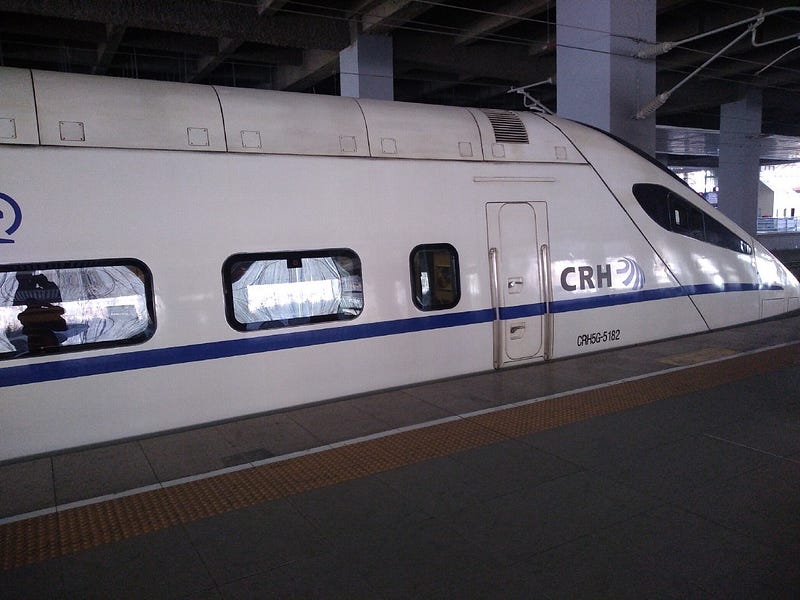
FPSOs and Offshore Energy
On the news of the Biden Administration releasing approximately 180mn barrels of oil from the Strategic Petroleum Reserve people in the USA like to think of energy strategy in terms of security and defense. This is misleading from a variety of angles. I will focus on one aspect: Floating Production, Storage and Offloading Units (FPSO).
Nowadays there’s a much higher level of activity happening in the offshore oil and gas space. According to Offshore Engineer, FPSOs are more attractive in today’s industry because of new players, business models and a lower cost operators than traditional oilfield development services.
FPSO contracts are reportedly on the rise since the end of 2020, including Mero 4 in Brazil, Limbayong in Malaysia and Liuhua 11–1 in China — with the three key players in these areas being Petrobras, Yinson and CNOOC. One reason for the rise in FPSOs is that offshore drilling in Southeast Asia has gained a lot of momentum in 2022, such as a big discovery from Thailand’s PTTEP in an offshore Malaysia block.
As a result, business partnerships in this space are growing too. Petrobras and Yinson signed a letter of intent on February 8, 2022 providing FPSO contracts worth $5.2 billion. While CNOOC and Petrobras signed a Production Sharing Contract (PSC) for $2.12 billion in Brazil’s Buzios field on March 8, 2022.
The Buzios field is significant. As there are already four FPSO units in operation there, with six more planned by 2026, this area is the prime driver for Brazil’s strategic plan to have all FPSO contracts held at a firm price by 2025. This plan occurs under the backdrop of China’s Sinopec reporting its largest profits from crude oil production since 2011.
The reason I’ve been focusing on Brazil, China and Southeast Asia is to drive my point that while most Americans view oil and gas as a energy security and defense issue, other countries are viewing offshore oil and gas production as a major driver of their economic growth going forward — Brazil’s strategic plan is an indication to this fact.
With investments to the tune of $84 billion by Petrobras to develop technologies conducive to FPSO, the expansion of this market is a long-game strategy for an offshore energy space that is becoming a widespread, massively internationally-integrated market. Business is good now, but there are certainly going to be a wave of maritime threat dynamics for these companies operating and transporting in offshore areas — there’s going to be an unprecendented level of FPSOs.
Cameron LNG Project in Louisiana, USA
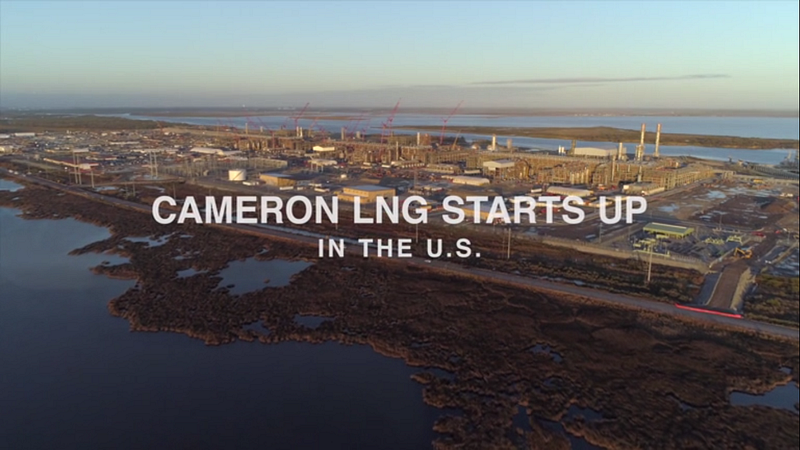
On April 11, 2022, it was announced that a “heads of agreement” (HOA) was signed by TotalEnergies (Total) with Sempra Infrastucture, Mitsui & Co. ltd and Japan LNG Investment. Sempra Infrastructure owns 50.2% of the project while Total, Mitsui and Japan LNG Investment each own 16.6%.
According to TotalEnergies’ Chairman and CEO Patrick Pouyanné: “The expansion of Cameron LNG will contribute to our LNG growth strategy by investing in low-cost, long-term competitive LNG projects with lower GHG emissions.” This statement from the CEO was given to the public as a way to justify expansion of the Cameron LNG project located in Louisiana, USA.
This HOA is significant because the companies agreed to jointly increase production capacity to more than 6.75 mn tonnes per year (tpy). They also agreed to add a fourth train to improve on debottlenecking of the plant. Moreover, the project is seen as a way boost exports of USA LNG in the wake of recent events by Russia to affect Europe’s energy supply.
If Norway’s Equinor took the initiaive to help and solve Europe’s energy crisis, then it seems France’s TotalEnergies is striving to take the lead in promoting Europe’s energy transition. The HOA is an indicator of how seriously the company is taking its ambitions to push Europe forward on the energy transition.
Per OilPrice.com, the French supermajor is the world’s largest exporter of USA LNG and the second-largest LNG trader.
With the final investment decison on the Cameron LNG project to come in 2023, Russia’s invasion of Ukraine has raised concerns of how more exports of USA LNG can be carried out in the present. On March 25, 2022, a deal between the USA and European Union (EU) was initiated for the USA to increase deliveries of LNG to EU markets in the amount of 15 billion cubic meters. This circumstance reveals how critical USA LNG is to the EU’s energy supply mix.
TotalEnergies has been in business with USA LNG since September 2016 when the company acquired 75% of the Barnett Shale assets in North Texas from Oklahoma City-based Chesapeake Energy. Due to declining production, the Barnett shale assets are set to bottom out around 2028. What’s important here is that the production capacity at Total’s Barnett shale fields will allow the company to regasify its natural gas reserves into LNG at Cameron, in order to transport and export the natural gas from USA to Europe, Asia and African markets.
TotalEnergies is also launching North America’s first Cabon Capture & Storage (CCS) project at the Hackberry Carbon Sequestration (HCS) project. According to Thomas Maurisse, senior vice president LNG at TotalEnergies:
We are pleased to join forces with our partners to significantly reduce CO2 emissions at Cameron LNG export terminal, thus enabling us to supply our customers with low-carbon LNG, a key fuel for the energy transition and a valuable asset for diversifying Europe’s energy supply
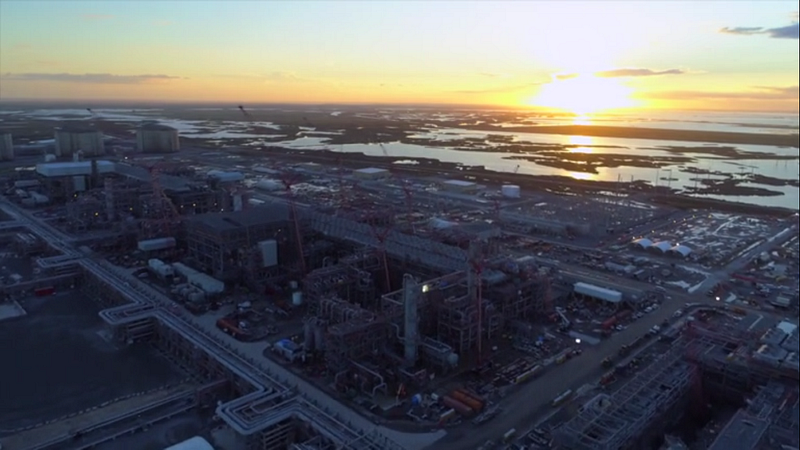
What To Watch Going Forward
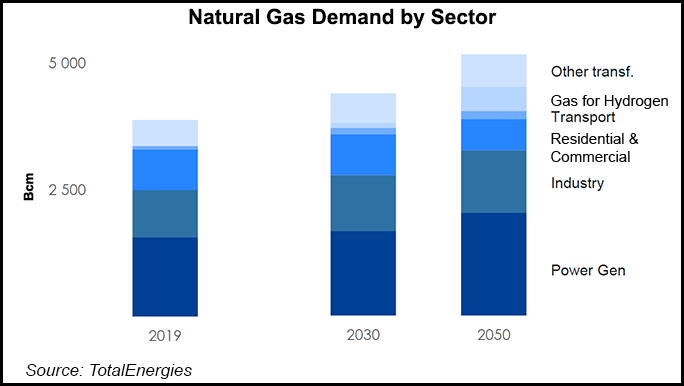
It’s essential to point out that even when the largest companies are pushing for ways to successfuly carry out Energy Transition around the globe, that committments to natural gas production and exports via LNG will continue to grow over time. TotalEnergies even highlighted in its 2021 Energy Outlook that natural gas and renewable energy sources would play complementary roles to achieving the energy transition toward Net Zero.
One of the concerns is how geopolitics and international events are going to affect the global energy outlook and prospects.
For instance, Algeria and Morocco have both announced plans to source more gas reserves to the benefit of TotalEnergies, Eni and USA exporters. But underlying political and territorial issues between those two countries are inevitably going to be a major problem. Algeria cut off Morocco’s access to its gas pipeline in 2021 after Morocco announced that it would develop LNG terminal capacity.
Here’s another example of how Russia disrupted the Caspian Pipeline Consortium (CPC) and global oil supplies from Kazakhstan and Central Asia: https://readmedium.com/how-russia-disrupted-the-caspian-pipeline-consortium-cpc-and-global-supplies-in-2022-9fc1799eca6e
Finally, while many countries are shifting to LNG as a way to decrease their exposure to traditional sources of fossil fuels, there are many countries who simply cannot afford LNG or do not have the capabilities to regasify, transport or store it.
DownToEarth wrote about this problem with LNG’s future in the global energy scenario.
A Summary of the Latest Energy Deals from June:
Azerbaijan and UAE Energy Cooperation — It was announced on 6 June 2022 that the United Arab Emirates’ (UAE) Masdar signed two agreements with Azerbaijan’s Ministry of Energy for the purpose of developing projects in Azerbaijan for onshore wind, solar photovoltaic, offshore wind and green hydrogen. It was reported that this was the largest agreement made in Azerbaijan’s history, with the total production capacity amounting to 10,000 MW. For more information the World Bank Group published a document about the Offshore Wind Roadmap For Azerbaijan
European LNG Demand — European policymakers met at a floating storage and regasification unit (FSRU) facility in Alexandroupolis owned by Greek LNG carrier GasLog. The ceremony was significant for Europe’s natural gas and LNG future as it is the first sign of how Europe intends to rid itself of Russian gas import dependency by increading domestic production capacity.
LNG Export Competition — This summer is already signaling a competition for LNG tankers among the world’s largest energy companies — TotalEnergies, Shell, China Unipec — to stock up on LNG supplies ahead of the winter season in 2022. Because of this trend the price of LNG carriers is rising to the highest levels in 10 years, at around $120,000 a day, as LNG import demand is expected to grow higher and higher for developed countries.
CCS Market Competition — Both ExxonMobil and Chevron announced plans to expand into the Carbon Capture and Storage (CCS) markets with new projects to live up to commitments they have made on getting to Net Zero. Thailand’s PTTEP also announced the country’s first CCS project.