
Of Traditional Healing Methods
Being a Filipino of Chinese descent growing up in the late 80s to the early 90s, I grew up not unfamiliar with more traditional methods of healing and medicine.
As someone living and growing up in the Philippines, I got exposed to the traditional Filipino art of healing called hilot which uses massage combined with some energy flows to heal the sickness of the patient. The patient in return pays in kind as the manghihilot does not accept cash for fear of losing “the gift” of healing.
I still remember that one time when I was on the second grade when I came home vomiting. That night, my mother brought me to a manghihilot who took a piece of paper, put some oil on my forehead before putting the piece of paper on my forehead. Allegedly, the figure on the paper is the shadow of the person who unconsciously caused me to have what we called an usog or an evil eye hex. By just keeping the paper, I seemed to have been healed the next day.
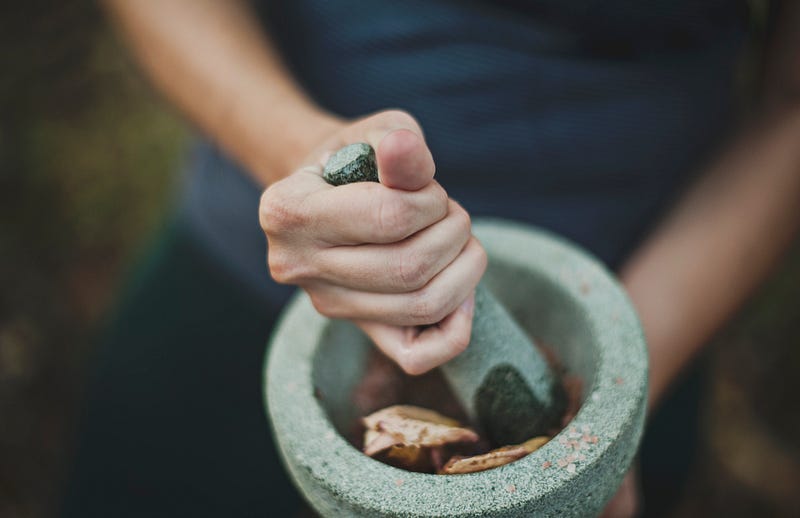
As someone of Chinese descent, I remember the times when my parents would bring me to some traditional Chinese medicine doctor in the China Town of Manila to consult a doctor. We come home, if we are lucky, with some foul smelling tablets if we are lucky, or, if not, with packets of herbs, roots and insects (there were even cockroaches as part of ingredients) which are to be boiled in water, and drunk. Because of this, I was neither surprised nor intrigued when I read about Potions making in J. K. Rowling’s Harry Potter series. It was, after all, Chemistry but with the chemicals obtained directly from its natural sources.
Through the years, we have consulted less and less of these traditional methods of healing. On one hand, the more common and modern forms of healing proved to be effective enough. On the other hand, we have seen succeeding generations of manghihilot becoming less and less effective as “the gift” seems to weaken through the generations.
Now, as COVID-19 continues to spread throughout the world, we have seen many Chinese Filipinos in the Philippines starting to consider Traditional Chinese Medicine. After all, when modern medicine has no cure, we might as well look into the wisdom of the ages. Good thing we still have these stores in China Town.
Perhaps it is high time for modern medicine to get down from its high horse and start learning from traditional medicine. There must indeed be wisdom from tradition that we have failed to see. Don’t get me wrong. I still believe that modern medicine is the way to go. With a better understanding of the chemical components of naturally occurring ingredients, we can work on synthesizing these to create modern medicine. But we should not totally neglect what traditional medicine have learned through the years.
It still doesn’t have the cure, but it has somehow helped in the healing process, and so did modern medicine. Perhaps it would be wise not to totally prohibit it in the hospitals when even modern medicine does not have the answer to this pressing question of our time.