
Of Mice and Men
Must we surrender our dreams in order to survive?
Of Mice and Men first published in 1937, is set in the 1930’s depression on the farmland of the Salinas valley, where John Steinbeck was born and knew all his life. In these times thousands moved west to California, for the hope of finding work and a better life. Amongst them were huge numbers of men travelling the countryside harvesting wheat, they earned $2.50 to $3.00 a day plus food and very basic accommodation. The ranch in the novel is near Soledad, which is south-east of Salinas on the Salinas river. The story focuses on two migrant farm-workers ‘George’ and ‘Lennie’ who come to work on the ranch. The pair have a plan, their own ‘American dream’, however the other workers find them unusual as most men travel alone.

The novel is written in the colloquial language of the time and Steinbeck uses various techniques to emphasise how the pair’s relationship is different, to the other ranch-workers. Below is my account of how Steinbeck’s language displays this and the effect it conveys.
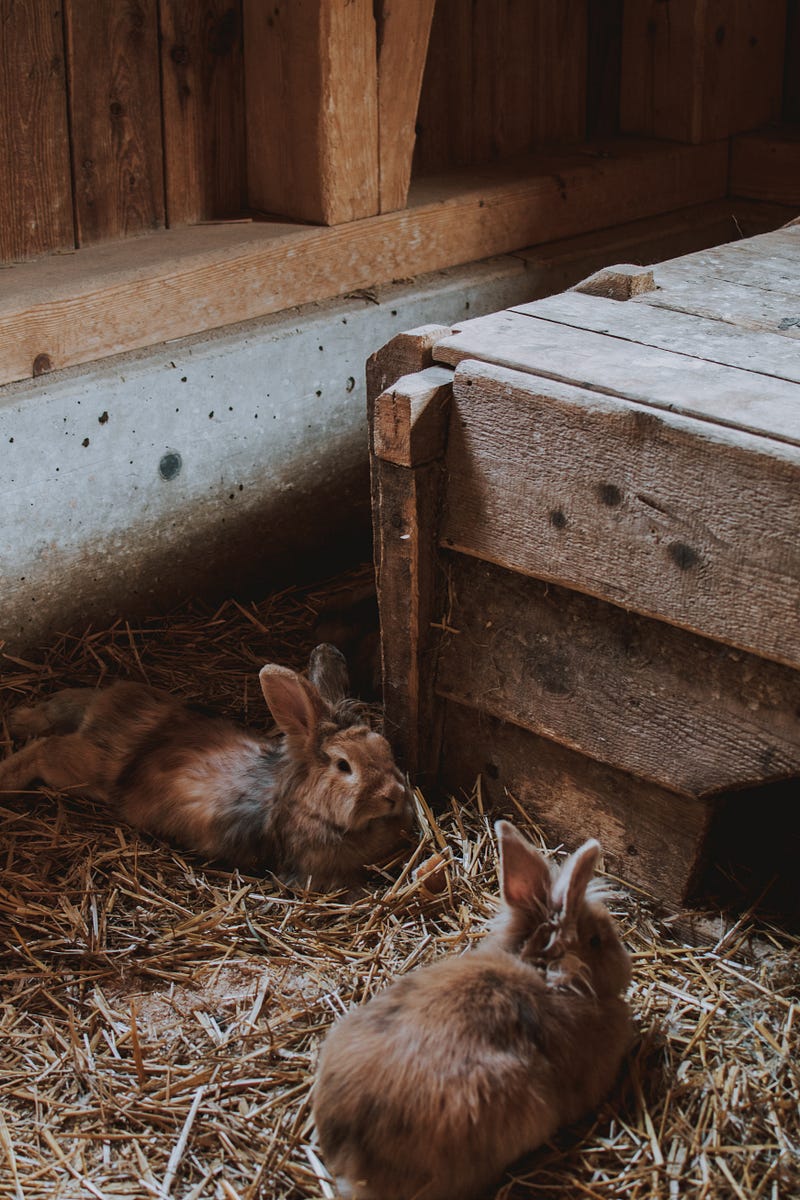
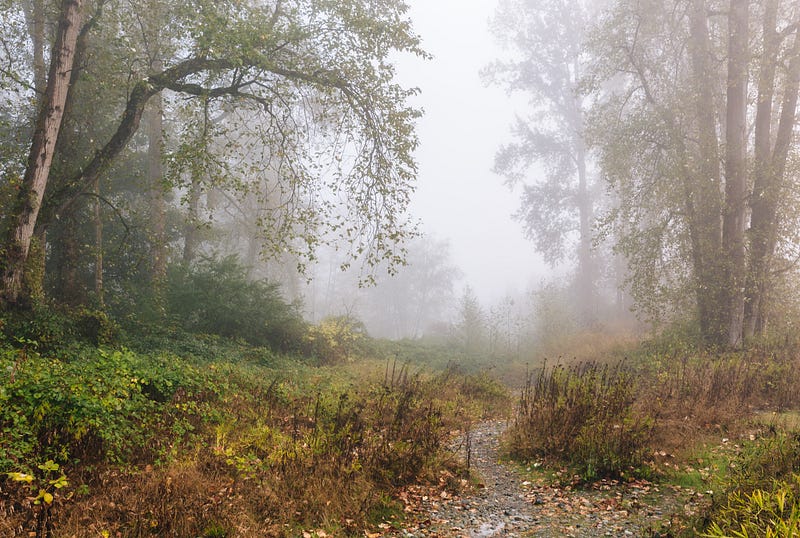
Clinging to each other in their loneliness and alienation, George and his simple-minded friend Lennie, have a dream of a place to call their own, where Lennie can tend the rabbits and they can both ‘live off the fatta the lan’. We are first introduced to them in chapter one, where they emerge from a path and come into the opening by a green pool, by the Salinas river. They walked in single file down the path and even in the open, one stayed behind the other. In this first encounter of George and Lennie Steinbeck conveys that there is a leader in this curious relationship. George is described as ‘small and quick, dark of face, with restless eyes and sharp, strong features’, this gives the sensation that he is always on the lookout. Lennie on the other hand is described as the complete opposite, ‘a huge man, shapeless of face, with large, pale eyes, with wide, sloping shoulders’, the image of dragging his feet, the way a bear drags his paws gives the impression of his enormity and childlike reluctance.
In the first conversation between the unlikely pair, Lennie flings himself down next to the surface of the green pool and drinks with long gulps, Steinbeck uses the simile ‘snorting into the water like a horse’, again relating Lennie to a big animal. Instantly George uses a sharp almost fatherly tone with Lennie, ‘Lennie, for God’s sakes don’t drink so much.’ He is concerned that the water isn’t good to drink, Lennie goes on to dab his ‘big paw’ in the water and wiggle his fingers he proclaims, ‘Look, George. Look what I done.’ This first introduction to George and Lennie’s dialogue sets the tone for the rest of the novel, George being the responsible one who seems to grumble and Lennie, childlike and simple. This is then confirmed when Lennie can’t remember where they are going and thought he had lost his work card, ‘George… I ain’t got mine. I musta lost it.’ We learn that Lennie never had it and once again like the protective father George had Lennie’s all along. George later reminds Lennie that the following day at the ranch they will meet ‘The Boss’, Lennie is to stay silent and let him do the talking, ‘If he finds out what a crazy bastard you are, we won’t get no job, but if he sees ya work before he hears ya talk, we’re set. You got that?’ Lennie confirms that he has and George makes him repeat it. This emphasises the nature of their relationship and Lennie’s complete trust in George.
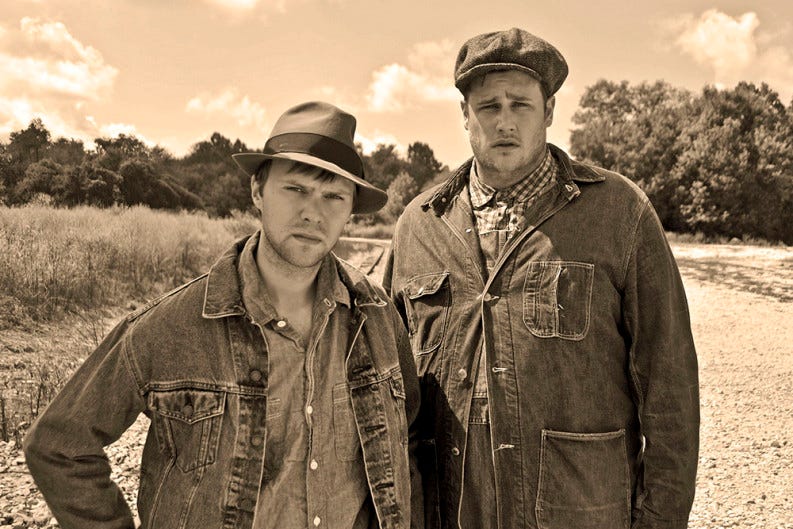
George and Lennie seem an unusual pair, although both loners, George is quick and bright, Lennie slow and simple, with a fondness to pet soft things even if they are soft dead things like mice. They see themselves as different from those around them; they have a plan, a dream. In chapter one George delivers a monologue about how him and Lennie are different from other ranchers who drift from town to town, ‘Guys like us, that work on ranches, are the loneliest guys in the world. They got no family. They don’t belong no place.’ ‘With us it ain’t like that. We got a future.‘ They plan to get a place with a couple of acres with a cow, some pigs and rabbits. Lennie will get to tend the rabbits and they will live off ‘the fatta the lan’.’ This presents us with the desired outcome to the novel, the irony being how will George do this with Lennie by his side? Before the close of chapter one, George gives Lennie one final fatherly order, ‘if you jus’ happen to get in trouble like you always done before, I want you to come right here an’ hide in the brush.’ This gives the feeling of foreboding and sets the tone for the trouble that lies ahead.
The second chapter is set at the ranch in Soledad, in the bunk house of the workers. Here George and Lennie meet ‘Candy’ an old swamper with a missing hand and then ‘The Boss’. George does all the talking with Lennie staying quiet as previously instructed by George. The Boss wonders about the strange relationship the two have, ‘Say — what you sellin’?’, ‘I said what stake you got in this guy? You takin’ his pay away from him?’ Here Steinbeck conveys the idea that theirs is not a typical relationship. George lying and telling The Boss that Lennie was his cousin that got kicked in the head by a horse, confirms this idea. It stresses that the ranchers are suspicious of their friendship and think they are up to no good. Further on in the chapter, Candy enters the bunk-house on the end of George and Lennie’s conversation, he assures them, ‘I didn’t hear nothing you was sayin.’, ‘A guy on a ranch don’t never listen nor he don’t ast no questions.’ Steinbeck implies that the trust and friendship the pair have with one another is rare as other ranchers keep to themselves and seem to trust no one. He then confirms this later in a conversation between ‘Slim’ and George, ‘I hardly never seen two guys travel together.’, ‘Never seem to give a damn about nobody.’ This also gives the impression that perhaps the ranchers are also jealous of their companionship.

Chapter three shows a slightly different theme on the relationship of the workers at the ranch. After returning from a night out some of the ranchers enter the bunk-house with ‘Curley’, The Boss’ son. Curley thinks that Lennie is laughing at him and starts a fight. Lennie doesn’t retaliate until instructed to by George, ‘Get ‘im Lennie!’ Steinbeck emphasises Lennie’s complete trust and obedience of George. In the fracas Lennie crushed Curley’s hand ‘Slim’ tells Curley to tell everyone, that he got it caught in a machine. ‘You jus’ tell an’ try to get this guy canned and we’ll tell ever’body, an’ then will you get the laugh.’ Here Steinbeck shows that the workers do have a loyalty to each other and in times of trouble stick together and look after one another.
A conversation between Lennie and ‘Crooks’ in chapter four, again emphasises the jealousy other workers have towards George and Lennie. ‘Well, s’pose, jus’ s’pose he don’t come back. What’ll you do then?’ Lennie is extremely upset at the thought of George not returning. Crooks realises that he has gone too far and advises Lennie of how lucky he is to have somebody. ‘I tell ya a guy gets too lonely an’ he gets sick.’ Steinbeck not only stresses the loneliness of Crooks but the racism he is suffering and how fortunate Lennie is to have a friend.

The novel has a poignant ending. After unintentionally killing Curley’s wife, Lennie returns to the pool by the Salinas River, as instructed by George in the event of trouble. Here Lennie wrestles with his conscience, knowing his friend will be angry. When George finds him, Lennie is in a panic after a mental visitation from his aunt Clara. George says quietly, ‘What the hell you yellin’ about?’ Steinbeck gives the impression that George even though frustrated, cares greatly for Lennie. In this set of dialogue George speaks to Lennie without emotion, ‘His voice was monotonous and had no emphasis. This conveys George’s sadness at what he must do, along with his frustration and exhaustion. The novel finishes with George and Lennie once again talking of their dream. George then raises a gun to the back of Lennie’s head and pulls the trigger, Lennie dies instantly. Here Steinbeck emphasises the compassion George has for Lennie, as he made the last moments of his life, as happy as they could be.

The best laid schemes of mice and men often go awry, is the statement on which Steinbeck’s novel is based and indeed at the heart of the story. It serves as a prophecy of doom for all that is to come. The novel’s two main characters George and Lennie do have a scheme, a dream, to have their own place and work for themselves. The tragedy is that their dream never finds fulfilment. George and Lennie desperately cling to the notion that they are different from other workers who drift from ranch to ranch because, unlike the others, they have a future and each other. However Steinbeck’s portrayal of characters like Crooks and Curley’s wife serve as a reminder that George and Lennie are no different from anyone who wants something of his or her own. The two are not unique for wanting a place of their own and having a dream, but they are unique for having each other. Their companionship emphasises the loneliness that surrounds them on the ranch and is the envy of the other farm-workers. Lennie would call George a friend but would George say the same of Lennie? More likely, that their curious relationship is based on fear of being alone. Steinbeck’s use of colloquial language sets the geographical and historical aspect of the novel, whereas his use of writing in real time and utility of the senses makes the novel far more emotive, bringing forth compassion from the reader. ‘You hadda, George. I swear you hadda.’ Indicates the sad truth that, we must surrender our dreams, in order to survive.
Article written by Drama Llama | Educator | Writer | Academic | Consultant