
Observation: Reading Between The Lines
Picture this: you’re in a meeting, surrounded by executives and stakeholders, and everyone is throwing around ideas like confetti. 💡💼While others are busy scribbling notes or nodding along, you, my friend, are observing. 🧐
Observation is like having a backstage pass to the inner workings of a business. It’s like being fluent in a secret language that only we understand. 😉
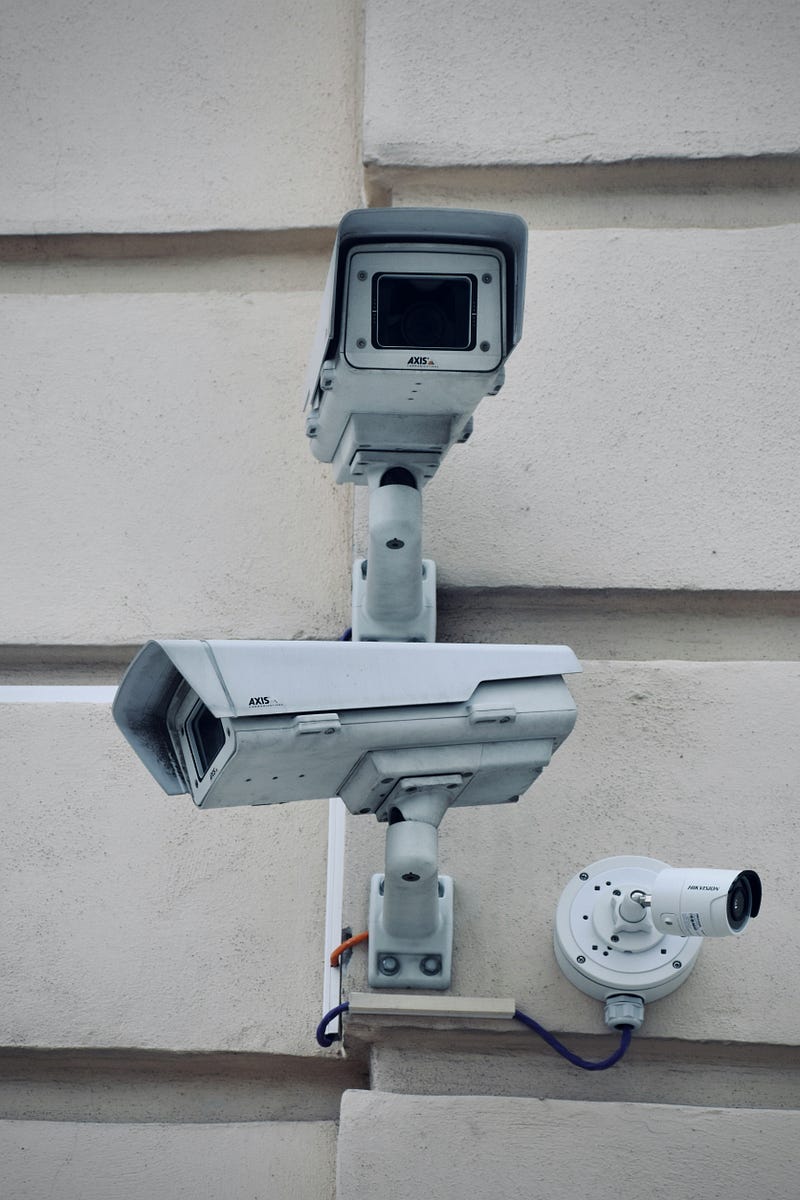
Observation is a business analysis technique that involves watching how people perform their tasks, interact with each other, and use tools and systems in their work environment.
Observation can help identify the strengths and weaknesses of the current processes, practices, and behaviors, as well as uncover the needs, preferences, and pain points of the users and stakeholders.
Ways of Observation
Observation can be done in different ways, depending on the purpose and scope of the analysis. For example, these ways can be used:
Direct Observation
The analyst observes the users or stakeholders directly either as a participant or as an outsider, without intervening or influencing their behavior. This can provide an unbiased and realistic view of how things are done, but it may also raise ethical and privacy issues if the observation is not consented or disclosed.
Indirect Observation
The analyst observes the users or stakeholders indirectly, through artifacts, documents, records, or other sources of data that reflect their actions and outcomes. This can provide a rich and detailed picture of what happened, but it may not reveal the reasons, motivations, or emotions behind the actions.
Participant Observation
The analyst observes the users or stakeholders by joining them in their activities and roles, either as a full participant or a partial participant. This can provide a deeper and richer understanding of the context, culture, and challenges of the users or stakeholders, but it may also introduce bias or influence the behavior of the observed.
Structured Observation
Use a predefined checklist or a questionnaire to guide the observation and collect specific data. This can help to focus on the most relevant aspects and compare different observations more easily.
Unstructured Observation
Use an open-ended approach to observe and record whatever is interesting or relevant. This can help to discover new insights and unexpected patterns.
Who/What to Observe?
Observation can be done in different ways, depending on the purpose and scope of the analysis. For example, these can be observed:
- A specific person or role, such as a cashier, a manager, or a customer service representative.
- A specific task or activity, such as checking out, making a reservation, or filing a complaint.
- A specific location or setting, such as a store, an office, or a hotel.
- A specific time or period, such as a peak hour, a busy season, or a special event.
Levels of Involvement and Interactions
Observation can also be done with different levels of involvement and interaction. For example, we can observe:
- As a participant, where we join the people we are observing and perform the same tasks or activities as them.
- As an observer, where we watch the people we are observing from a distance and do not interfere with their actions or behaviors.
- As an interviewer, where we ask questions or solicit feedback from the people we are observing during or after the observation.
Strengths of Observations
Observation is a valuable technique for business analysis because:
- Observations can provide direct and firsthand rich and detailed information that may not be available or accurate through other sources, such as interviews or surveys.
- Observations can reveal hidden or tacit knowledge that may not be expressed or articulated by the users or stakeholders.
- Observation can capture non-verbal cues and subtle nuances that might be missed by other methods.
- Observations can help to understand the underlying reasons and motivations behind people’s actions.
- Observation can generate new ideas and perspectives that might not be expected or anticipated by the analyst.
Limitations of Observation
Observation is a powerful technique that can complement other methods of data collection and analysis, such as interviews, surveys, or focus groups.
However, observation also has some limitations and challenges, such as:
- Observation can be time-consuming and resource-intensive, especially if it involves multiple sessions, locations, or participants.
- Observation can be influenced by bias and subjectivity, both from the observer and the observed.
- Observation can be affected by ethical and legal issues, such as privacy, consent, and confidentiality.
- Having to deal with the complexity and variability of human behavior and situations.
Therefore, observation should be used with care and caution, and in combination with other techniques, such as interviews, surveys, workshops, or prototyping.
How to Plan and Conduct Observation
Observation should also be planned and conducted carefully, following some best practices, such as:
- Define the purpose and scope of the observation, including what to observe, who to observe, when to observe, where to observe, and how to observe.
- Select the appropriate observation method and technique based on the research question, data availability, and ethical considerations.
- Prepare the observation tools and materials, such as checklists, templates, cameras, or audio recorders.
- Obtain consent and permission such as how to inform people about the purpose and methods, how to obtain their consent and permission?, how to protect their privacy and confidentiality?
- Conduct the observation in a respectful and professional manner, respecting the privacy and consent of the observed.
- Record and document the observation data accurately and comprehensively, using notes, photos, videos, or audio recordings.
- Analyze and interpret the observation data critically and objectively, using qualitative or quantitative methods.
- Report and present the observation findings clearly and convincingly, using visual aids, charts, or diagrams.
Real-Life Examples
To illustrate how observation works in practice, here are some real-life examples of observation in business analysis:
— — — — — — — — — — — — — — — — — — — — — — — — — — — — — — — — — — — — — —
A restaurant chain hired business analysts to observe how customers order food from their menu.
They found out that customers often had difficulty finding their preferred dishes, because the menu was too long and complicated. They also noticed that customers often asked for customization options that were not available on the menu.
Based on these observations, they simplified and redesigned their menu to make it more user-friendly and flexible.
— — — — — — — — — — — — — — — — — — — — — — — — — — — — — — — — — — — — — —
A software company hired business analysts to observe how users interact with their app.
They found out that users often struggled with navigating the app, because the interface was too cluttered and confusing. They also noticed that users often abandoned the app after encountering errors or bugs.
Based on these observations, they improved and tested their app to make it more intuitive and reliable.
— — — — — — — — — — — — — — — — — — — — — — — — — — — — — — — — — — — — — —
A hotel chain hired business analysts to observe how guests check in and check out from their hotels.
They found out that guests often had to wait in long lines at the front desk, because the check-in and check-out process was too slow and inefficient. They also noticed that guests often expressed dissatisfaction with the quality of service and amenities.
Based on these observations, they streamlined and automated their check-in and check-out process to make it faster and easier. They also enhanced their service and amenities to increase guest satisfaction.
Observation is a great way to learn from real-life examples and gain a deeper understanding of the people, processes, products, or services that you are analyzing. By observing carefully and critically, you can discover new perspectives, uncover hidden issues, and generate innovative solutions.
The next time you’re in a meeting, bring your Sherlock Holmes vibes and put on your detective hat and observe like there’s no tomorrow.
I hope you enjoyed this blog post. Don’t forget to clap 50 times (yes you can do that😉), engage in the blog, and share your views in comments or subscribe me here for more such articles or buy me a coffee!
Until next time keep watching this space for more Business Analysis Techniques!


