
New York City Tales from the 70s
NYC in the 70s Reminds me of Now
It’s been two years; remembering crises years and another plague
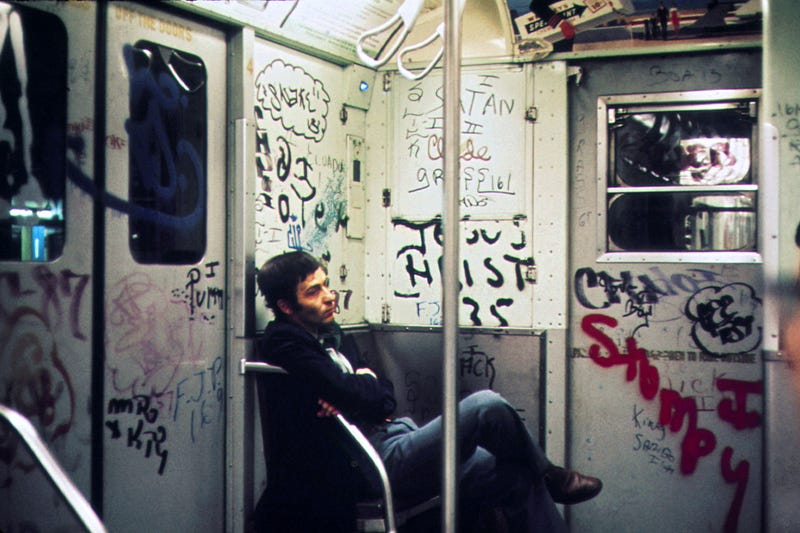
New York City in the 1970s is now regarded as an epic time — lots of new art, creativity, underground movements that bubbled up to the mainstream. I remember 1970s New York City as hard.
It was one disaster after the other. It reminds me of now.
I was walking by the river yesterday in Portland and peered into an archway bridge covered by graffiti. The archway wasn’t like that two years ago, nor were storefronts boarded up downtown. Many major cities have emptier downtowns, higher crime rates, litter, graffiti. It reminds me of living in New York in the 70s.
On October 19, 1975, the New York Daily News published the famous headline “Ford to City: Drop Dead.”
The era ended with a plague. Is this list beginning to sound familiar?
I was a 22-year-old student in 1976, and that summer the Son of Sam murders began. While the newspapers and local media hyped the serial killings, it was genuinely terrifying to be a young woman out and about after dark in New York City. The preferred targets of Son of Sam were young women, typically with long dark hair.
I do remember that safety precautions included walking on the sidewalk close to the street so you couldn’t be pulled into a dark space. Walk with others. Go into a crowded place if you were followed. Don’t enter your apartment building if being followed.
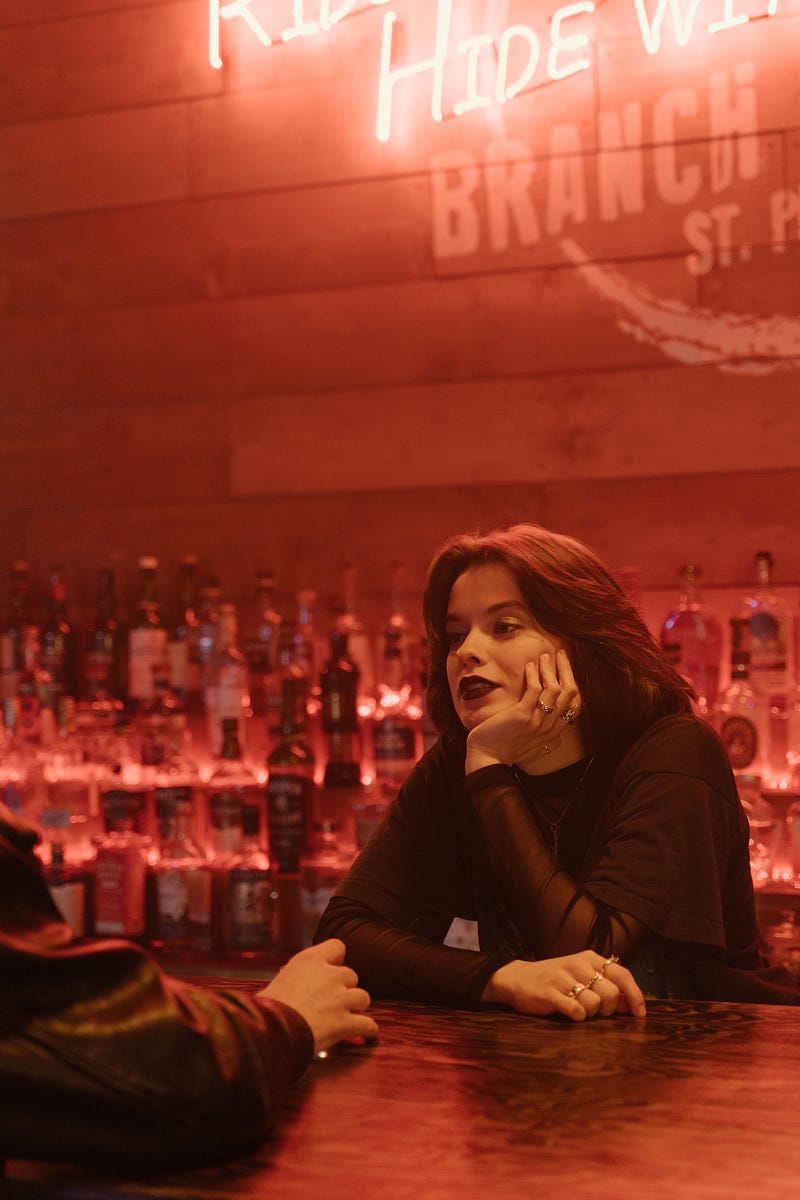
I was followed several blocks one evening and nervously glanced over my shoulder. I walked into a crowded nightspot and up to the bar. I spoke to the stranger standing next to me: “Just talk to me like you know me. Someone just followed me in here.”
The guy looked at me. “I don’t want to get involved, lady,” he said and moved with his drink to a table. The bartender immediately assessed the situation, poured me a coke, and said “I’m watching him. Stay here awhile. He looks like he’s leaving.”
Before Son of Sam, David Berkowitz, was apprehended, we experienced the great blackout of July 1977. I lived close to Upper West Side’s Broadway, loaded with sidewalk restaurants and shops, when the lights went out. A friend and I sat at an outside table to enjoy the party atmosphere, but two cops walked by us and said “You girls get home! Now!”
Just as they said that we heard a glass pane breaking. The bricks through windows had begun. We quickly turned and walked the few blocks to my apartment, as chaos broke out. Self-appointed traffic directors took over busy corners. Opportunistic thieves walked through shattered storefronts.
Three major strikes followed in the period of November 1978 to December 1981.
The newspaper strike in 1978 shut down newspapers for almost three months. Everyone read newspapers on the morning commute, subways, or bus — it was your time to catch up on what was happening.
As someone about in the City most of the day, it wasn’t practical to listen to the radio or television. Writers of The New York Times famously published a mock version of that paper. I read Shogun, a thick novel, on my daily commute.
During the transit strike of 1980, women walked in comfortable athletic shoes. They carried their high heels or left them at the office, a new habit.
I biked to the office on days I had outside appointments. I hitched a ride in a limousine one day. I walked, from the bottom of Manhattan to the top of Central Park. We were all tired. Go to work, come home, fall asleep on the couch.
The garbage strike was the last of the major strikes, ending just before Christmas in 1981. It was difficult to walk down sidewalks piled high with stinking, rotting garbage. At least it wasn’t summer. Some more creative types boxed and Christmas wrapped their garbage and left it in unlocked cars, where it was quickly stolen.
The crime rate during that time was at a New York high.
Crime peaked in 1981 at over 1000 violent crimes per 100,000 in population. The rate in 2019 was 358 per 100,000 population.
A news story in The New York Times about a wave of disease seen in gay men was printed on July 3, 1981. It was the start of AIDS.
A pall hung over the City as thousands of young men got sick and died. We lost a creative generation in New York — musicians, designers, artists of all sorts, and many others.
Even though I was a heterosexual woman, I was once again fearful. I knew too many people who had experimented sexually during the hedonistic 70s. The 70s and early 80s were the time of the bathhouses, Studio 54, Plato’s Retreat. Although AIDS was first identified in the gay community, I didn’t think it would stop there, and that tragedy could find us all.
Real estate was also changing. Rents were increasing, and many rent-stabilized apartment buildings were flipping to ownership cooperatives. Fear and opportunity helped some of us move out of the City to other places. Age may have been a factor. It was great to play in New York in one’s twenties, but partnering up, with family, led to long discussions about leaving Manhattan.
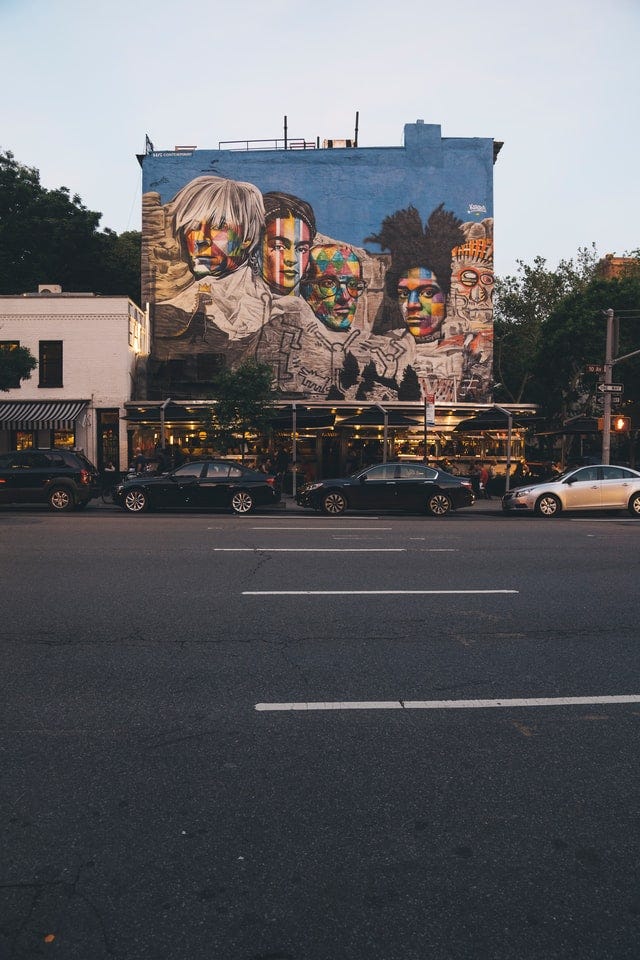
Street artists emerged from this time of rampant graffiti.
Andy Warhol’s Factory, the art scene, the music scene, actors, and film in 70s New York City, all of it was creative. The creativity rose from the burning buildings in the Bronx and the graffiti-riddled subway cars and the fear of crime that kept one scurrying into well-lit bars and to our apartments. The community theory about broken windows leading to a tolerance of social disorder and crime also gained currency. A crackdown on minor crimes started.
It was impossible to know while living through the 1970s that this was “an era” that would be remembered.
We know we will remember these pandemic years and the turmoil far beyond the pandemic. Perhaps these years will also be a creative time or a transformative time. We can’t know while we are living them, but it’s a good idea to tell the stories as they are happening.
Myth-making will follow.


