
Nutrition is a Superpower for Addiction Recovery.
Decades of Research Show That Healthy Food Offers Immense Benefits, Regardless of Your Sobriety Duration.
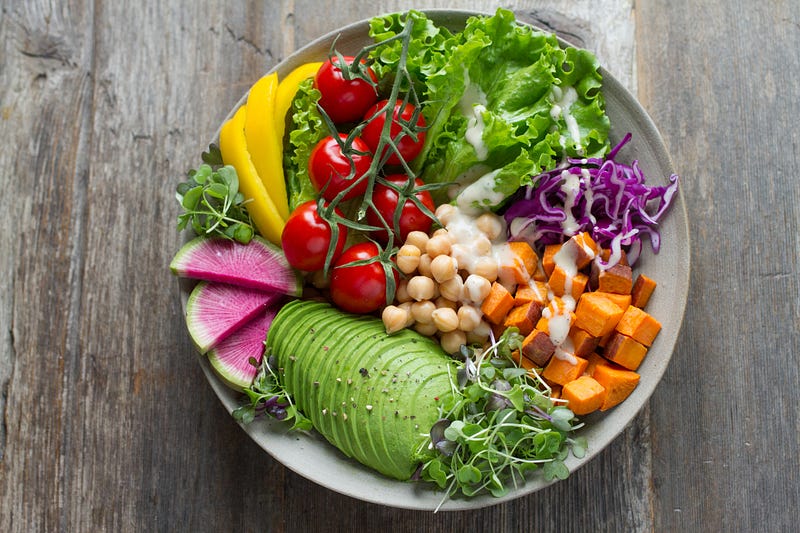
Nutritious food is a superpower for addiction recovery, even before detox or inpatient programs.
Despite decades of research supporting the positive effects of nutrition and healthy eating, it remains an overlooked intervention in recovery treatment.
Shockingly, less than 7% of treatment centers utilize nutritionists, and only half of residential treatment centers offer nutrition education.
Establishing remission and providing support for addiction recovery is lifesaving. Holistic care, including mind, body, and spirit support, accelerates outcomes and reduces relapse rates. However, the critical role of nutrition often goes unnoticed.
Although healthy meals are occasionally part of residential programs, education about their value is not emphasized. Clients often report, “The food was good, and there was a yoga class.”
Completing detox and achieving 30 days of sobriety marks a life-changing start for those battling addiction. Let’s recognize the immense healing power of nutrition in overcoming addiction’s damaging effects on the body.
Food is a powerful ally during the discomfort of withdrawal. The attitude of gratitude and enhanced energy required to break the cycle begins with nourishment, rest, and emotional support.
Sustaining motivation through community support systems, behavioral skills, and psychoeducation is covered and encouraged during the initial detox and containment process, providing participants with the skills and support needed to remain sober.
Restoring equilibrium in the body, mind, and spirit starts with remission. Residential care halts the damaging effects of addiction and initiates the healing process. Once you complete the program, you must carry the torch in your life to create health and well-being.
Wellness perfectly complements behavioral skills that teach us how to avoid triggers and break the cycle of addiction.
Learning how to change your behavior includes forming new habits of living. By attuning yourself to caring for your body, mind, and spirit, you can live in balance.
Once the opportunity to support your life is reestablished, the sky’s the limit, but you need to put in the work to engage.
Healthy food provides immediate results and long-term benefits, helping counterbalance the damage caused by addictions. It’s essential for rebuilding the body’s natural resiliency.
Nutrition matters to everyone, but it’s especially significant because of how it can remodel the nervous system and improve cognitive function.
The reality is that addiction has wired itself into the brain and established itself almost like a parasite. Breaking this insidious pattern without help is challenging.
Failed attempts often lead to shame and secrecy. This is where wellness can create space for resources to begin. The era of shame and stigma is starting to end, which is a huge boon for holistic care. If you’re considering the path to recovery, remember that nourishing your body is a vital step.
Addiction recovery is like a roller coaster, but we must keep adding positives to improve the ride. The reality that better food helps enhance health and resiliency means: why wait? Food is beneficial for everyone, so it can be part of the prescription to support you.
Relapse is shortened or stalled with the addition of nutritious food. People often neglect eating while actively using alcohol and drugs.
Food helps break the vicious patterns of neglect that addiction sustains and provides the necessary nourishment for the body, mind, and spirit. When we feel better, we can make better choices, and the addiction no longer has the upper hand. Group therapy that includes people who are still using, but making efforts to sustain their sobriety and commit to recovery, is a powerful support. This is especially true when the group includes wellness skills, including nutrition.
This approach is a winner because the empathy and success shared by group members who have recovered become valuable assets. Breaking the chains and power of addiction involves people who know the way.
Nutrition is a superpower that improves outcomes and can defeat addiction alongside therapy and medication.
Learning to prepare and eat healthy food is simple to accomplish but hard to commit to. Sticking to a healthy diet is a universal skill everyone struggles with. Holistic recovery encourages all paths up the mountain.
Take small, sustainable steps to build a better diet gradually. Next time you’re in the store, head to the produce area first. Look around at the options, and let your senses take in the fantastic bounty of vegetables, fruits, and herbs.
Honestly assess what you eat. Start casually and resolve to use the ‘more and less’ approach. As you learn more about what your body needs, take specific customized steps to sustain your energy and make gains.
Here are some suggestions to help beginners, especially those lacking experience with healthy eating:
Add More Vegetables and Fruits: Incorporate a variety of colorful vegetables and fruits into your meals. They provide essential vitamins, minerals, and antioxidants.
Choose Whole Grains: opt for whole grains like brown rice, quinoa, and whole-grain bread. These provide more nutrients and fiber compared to refined grains.
Limit Processed Junk Foods and Fast Food: Reduce your intake of processed snacks, sugary treats, and fast food. These items often lack essential nutrients and can negatively impact your health.
Include Omega-3 Fats: Nuts, especially almonds and walnuts, are excellent sources of healthy fats. Omega-3 fatty acids support brain health and overall well-being.
Cook Balanced Meals at Home: Preparing meals at home allows you to control ingredients and portion sizes. Aim for a balance of protein, whole grains, healthy fats, and vegetables.
Explore Nutrition Resources: Read about nutrition and explore online recipes. Learning about food can be both educational and enjoyable.
Create a Meal Schedule: Set aside dedicated time for meals each day. Avoid rushing through meals; savor the experience and nourish your body.
Embrace the Journey of Self-Care:
Taking care of yourself through nutrition is an act of self-love. Enjoy the process of making healthier choices. Recognize that healing from addiction involves more than avoiding relapse.
Consider all aspects of your life, including physical, emotional, and spiritual well-being. Remember, nourishing your body with healthy food is a vital step toward overall wellness. 🌱🌟


