Nutrition and Diet Tips for Pre-Exam Energy and Focus
Introduction
As students prepare for exams, they often focus on rigorous study schedules and last-minute cramming. While these efforts are essential, the role of nutrition and diet in supporting cognitive function and concentration is often underestimated. What you eat can significantly impact your energy levels, mental clarity, and ability to stay focused during those crucial exam hours. In this article, we'll explore the importance of nutrition and provide practical diet tips to help you maximize your pre-exam energy and focus.
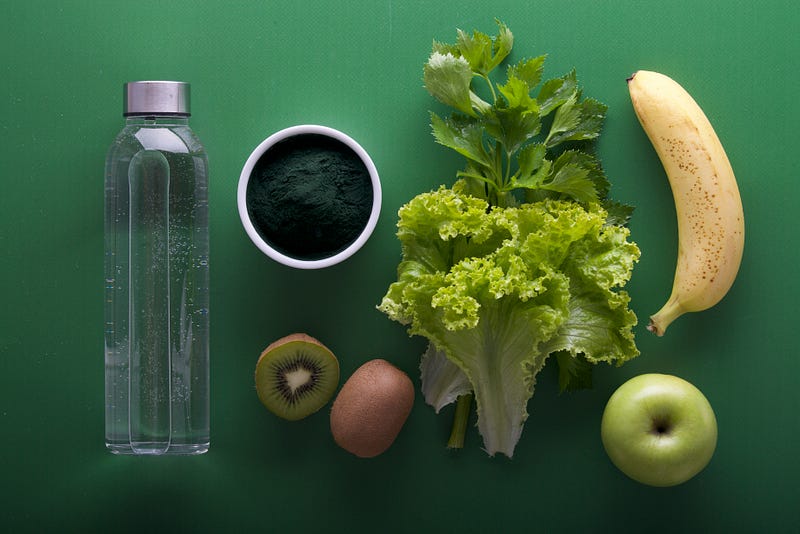
The Role of Nutrition in Exam Preparation
Proper nutrition is the foundation for optimal brain function. The brain is an energy-intensive organ, and it requires a steady supply of nutrients to operate at its best. Nutrients such as carbohydrates, proteins, fats, vitamins, and minerals all play a vital role in supporting cognitive function and overall well-being.
Balancing Macronutrients for Sustained Energy
1. Carbohydrates: Carbohydrates are your brain’s primary energy source. Opt for complex carbohydrates like whole grains, fruits, and vegetables to provide a steady supply of energy. These foods release glucose slowly, preventing energy spikes and crashes.
2. Proteins: Proteins are essential for maintaining alertness and focus. They provide amino acids that the brain uses to produce neurotransmitters. Include lean protein sources like poultry, fish, tofu, and legumes in your diet.
3. Fats: Healthy fats, such as those found in avocados, nuts, and fatty fish, support brain function. Omega-3 fatty acids, in particular, are known to enhance cognitive abilities. Incorporate these fats into your diet for long-lasting mental energy.

Micronutrients for Cognitive Health
A variety of vitamins and minerals are crucial for cognitive health. Some key micronutrients include:
1. B Vitamins:B vitamins, especially B6, B9 (folate), and B12, are vital for cognitive function. They play a role in neurotransmitter production. You can find them in foods like leafy greens, eggs, and whole grains.
2. Omega-3 Fatty Acids: These fats are abundant in fatty fish like salmon and mackerel. They help with memory and information processing.
3. Iron: Iron deficiency can lead to reduced cognitive function and fatigue. Incorporate iron-rich foods such as lean red meat, lentils, and spinach into your diet.
4. Zinc: Zinc is essential for memory and thinking skills. You can find it in foods like oysters, poultry, and fortified cereals.
5. Antioxidants: Antioxidants in fruits and vegetables help protect brain cells from oxidative stress. Blueberries, in particular, are known for their brain-boosting properties.
Hydration for Mental Clarity
Staying hydrated is crucial for maintaining mental clarity and focus. Dehydration can lead to fatigue and difficulty concentrating. Aim to drink an adequate amount of water throughout the day. Keep a water bottle handy during your study sessions and on the day of your exam.

The Power of Breakfast
Breakfast is often referred to as the most important meal of the day, and for good reason. A balanced breakfast provides you with the energy and nutrients you need to kickstart your day. Opt for whole-grain cereals, yogurt, fruits, and lean proteins. Avoid sugary cereals and pastries, as they can lead to energy crashes later in the day.
Snacking for Sustained Energy
Healthy snacks can help maintain energy levels between meals. Opt for nutrient-rich snacks that won't cause rapid blood sugar spikes and crashes. Some excellent options include nuts, yogurt, whole-grain crackers with hummus, and fruit.
However, avoid excessive consumption of sugary snacks and beverages, as they can lead to energy fluctuations and hinder focus.
Foods to Fuel Your Brain
Certain foods are known for their brain-boosting properties:
1. Fatty Fish: Fatty fish like salmon, trout, and mackerel are rich in omega-3 fatty acids, which support memory and cognitive function.
2. Nuts: Nuts, especially walnuts and almonds, are packed with healthy fats, vitamins, and antioxidants that support brain health.
3. Whole Grains: Whole grains like oatmeal, whole-grain bread, and brown rice provide a steady supply of glucose to the brain.
4. Leafy Greens: Leafy greens like spinach and kale are rich in vitamins and minerals that enhance cognitive function.

Meal Timing and Portion Control
The timing of your meals can significantly impact your energy levels. On the day of your exam, opt for smaller, balanced meals. Avoid heavy, fatty foods that may make you feel sluggish.
Consume your last meal well in advance of the exam to allow for proper digestion. This can help prevent discomfort and promote alertness.

Caffeine and its Role
Caffeine is a well-known stimulant that can improve alertness and focus. However, its effects can vary from person to person. If you choose to consume caffeine before an exam, do so in moderation. Avoid excessive caffeine intake, as it can lead to jitters and anxiety.
Stress Reduction and Mindful Eating
Stress can negatively impact your diet and exam performance. Engage in stress-reduction techniques such as deep breathing, meditation, or yoga. These practices can help you stay calm and focused during the exam.
Practice mindful eating by paying attention to your food and savoring each bite. Mindful eating can help prevent overeating and improve digestion.
Pre-Exam Diet Plans and Sample Menus
To make it easy, here are sample diet plans for different timeframes:
Night Before the Exam:
- Grilled chicken with quinoa and steamed broccoli. - A small serving of berries for dessert. - Herbal tea for relaxation.
Morning of the Exam:
- Greek yogurt with honey and mixed nuts. - Whole-grain toast with avocado. - A banana for a quick energy boost.
During Breaks:
- A small serving of mixed nuts. - Baby carrots with hummus. - A bottle of water to stay hydrated.


Conclusion
When it comes to preparing for exams, your diet and nutrition play a crucial role in your success. A well-balanced diet that includes a variety of nutrients can enhance your cognitive function and maintain your energy levels. By following these nutrition and diet tips, you can maximize your pre-exam energy and focus, giving yourself the best chance to perform at your best.
Remember that a healthy diet is just one component of effective exam preparation. Combined with a well-structured study plan and time management, you'll be on your way to achieving your academic goals.