
Nurturing the Divine Feminine
Constructing an archetype that works for me
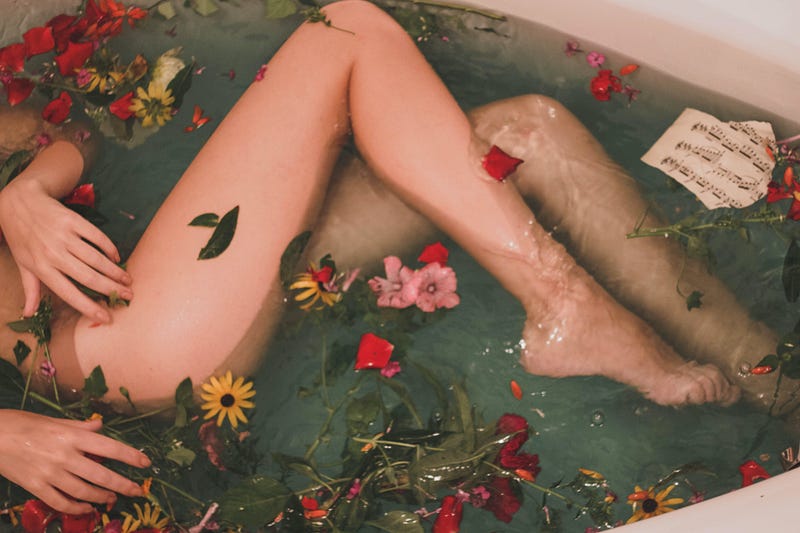
What does the “divine feminine” look like to you? Is she draped in fine robes like an ancient Greco-Roman mosaic of Gaea reclining with her cornucopia? How can we evolve as we consider this archetype and others?
Picture a mature woman that glows with the illumination of lovingkindness. She abides in fulfillment and joy in the reality she’s created. Even when times are tough, she maintains steadfastly, anchored in peace. She embodies wisdom and discernment, but she does not pass judgment. She is a person of gravitas. She’s revered, loved, and respected in many cultures. When she’s ancient, the younger generations care for her as she cared for them. They record her way of being in their hearts to pass down to future generations.
Now imagine the archetype of a haggard woman. Perhaps a bitter woman, one who seems spent and dried up. Her face is etched with worry and contempt. From a locus of pain, she spews negativity and criticism. She blames the external, but the actual toxicity breeds and multiplies within her. Emotionally abandoned by her family, she may die alone. She leaves a legacy of harm that is remembered far beyond any good she may have done.
My descriptions of archetypical females might sound extreme. But we've all known women who usually “hung out” near one end of the spectrum. I’m lucky to regard my mother and grandmothers as ambassadors of light.
I also recall how my cousins and I deliberately side-stepped a somewhat malevolent aunt (I’ll call Helga) at our family gatherings. You wouldn’t know her, but you’ve probably known her type.
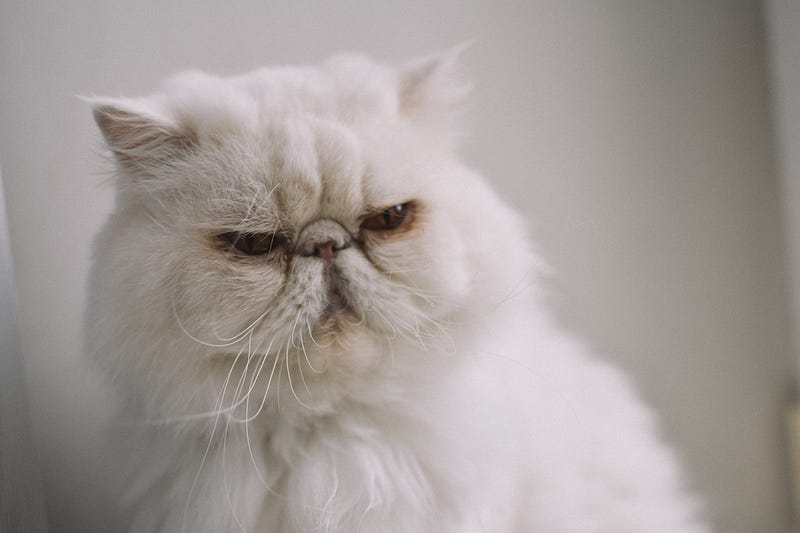
Now that I’m older and Helga’s deceased, I can’t help but wonder what strife lurked in her backstory. Was she always a “grumpy cat?”
Like Helga and all women, I’m complex. A single archetype can’t adequately define me. Nor a storybook-like characterization of a wise woman or a hag. Or a CAT! It makes more sense to acknowledge that I’ve traversed a broad landscape over the last 15 years of marriage and motherhood.
I fancy my “landscape” as having poles. The poles are my shadow self and higher self. Both have a magnetic pull that intensifies the closer I get to their apexes.
Looking back, I’ve always felt the lure of my shadow self “pole” most strongly when I allowed myself to become overextended and exhausted. I noticed this pattern as I regarded who I’ve been, who I am, and who I am becoming as I age. I know, wait, aren’t those all the same person?
I’ve questioned…
Yes, I am, yes I am. But I’m evolving towards my higher self. We all are, in concurrence with our choices to do so.
I’ve realized that my point of power is in my present options. I can recognize when I’ve taken on too much. I can pare down unnecessary obligations, delegate responsibilities, and set boundaries.
Another personal epiphany is that I (not my roles, circumstances, or mercurial archetypes) define who I am and who I am becoming.
The “divine feminine” means different things to different people. It can also be demonstrated in many ways. One way I’m expressing my take is through positive affirmations:
I am an embodiment of the divine feminine. I create from a place of love and unity — togetherness. I take time out as needed to recharge my battery by going within. In awareness, I nurture myself and others. I delight in watching all of us grow in this light. -Heather Paz
A gentle reminder:
Keep shining your light brightly and celebrate the divine you!
Shout-out to my mom, Glorie Lee, ambassador of light and Medium writer!


