
Nurturing Nature’s Narrative in a Sleepy Coastal Village
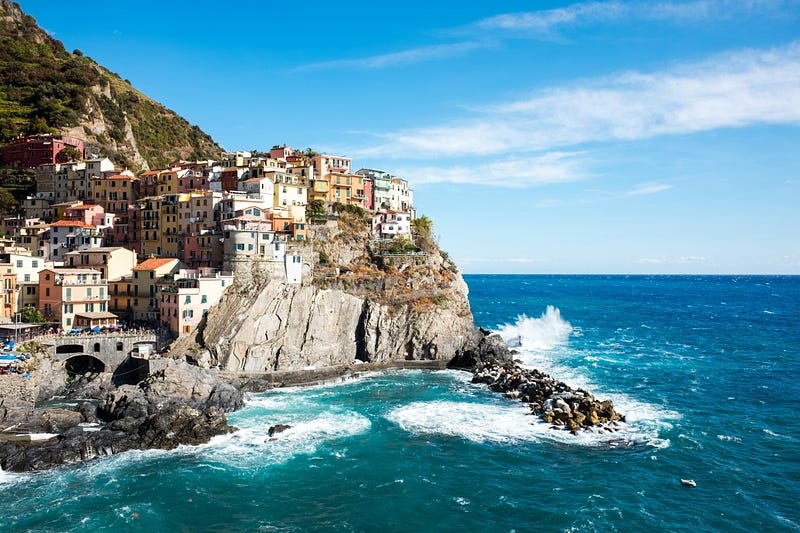
For as long as I can remember, the ocean has been a constant companion. It’s where I learned the value of silence and the art of listening. And its my first point of retreat when I need rest from the city. The locals at one of my favorite haunts, a collection of rugged faces and gentle spirits, regard the sea with a reverence born from years of coexistence. To them, the ocean is a member of the community, a silent guardian of tales and traditions.
Ms. Harper, the owner of the local café, was the first to introduce me to the village’s unspoken pact with the sea. Over a steaming cup of coffee, she shared how the community thrived by respecting the delicate balance of the marine ecosystem. “It’s a give and take,” she said, her eyes reflecting the depth of the ocean itself. “We take care of the sea, and the sea takes care of us.”
This understanding was evident in every aspect of village life. The fishermen, with their weather-beaten boats and salt-encrusted nets, practiced sustainable fishing, ensuring that the ocean’s bounty was preserved for future generations. The local school, a modest building by the shore, taught children the importance of marine conservation, weaving the ocean’s narrative into their curriculum.
Yet, one coud also see that this harmony was threatened by the encroaching threat of pollution and overfishing by industrial trawlers — which loomed over the village like a gathering storm.
It was during a visit to the local marine conservation center that I witnessed the village’s quiet resolve though. Here, injured marine life found refuge, and the villagers, young and old, volunteered their time, healing and learning from the sea’s silent inhabitants.
The center’s director, Dr. Ellis, a marine biologist whose life’s work was dedicated to the ocean’s preservation, shared a powerful insight. “Conservation isn’t just about protecting species; it’s about preserving a way of life, a culture that respects and coexists with nature,” he explained. His words resonated with me, echoing the principles I held dear.
The village taught me that conservation is not a distant concept though, reserved for policymakers and activists. It’s where people choose harmony over exploitation and where every decision is guided by respect for the natural world.
And it is (I hope) a call to action for communities everywhere to listen to the silent whispers of nature and respond with compassion and care.
In the heart of this sleepy coastal village, I discovered a profound truth: when we choose to live in harmony with nature, we craft a legacy of conservation that transcends time; a legacy that reverberates like the gentle waves.