avatarNoah Levy

Summary

The article reflects on the complacency and self-centeredness of Americans, particularly in the face of the COVID-19 pandemic, and criticizes the country's prioritization of wealth over public health and social welfare.

Abstract

The author recounts their personal transition from enjoying life in Barcelona to witnessing the unfolding of the COVID-19 pandemic in the United States. They emphasize the initial disbelief and dismissal of the pandemic's severity by themselves and others, drawing a parallel to a metaphorical train that is ignored until it's too late. The piece highlights the significant death toll in the U.S., which accounts for a third of global COVID-19 deaths, and critiques the country's socio-economic policies. It points out the irony of the richest country in the West suffering the most from the pandemic, suggesting this was a disaster waiting to happen due to systemic issues such as massive student debt, widespread unemployment, and the permanent closure of small businesses. The author argues that America's focus on enriching the wealthy has led to a disregard for human life, as evidenced by the lack of preparedness and response to the pandemic.

Opinions

  • The author believes that the U.S. was complacent and delusional regarding the COVID-19 pandemic, which contributed to the high death toll.
  • There is a strong critique of the U.S. for prioritizing the economy and the wealthy over the health and well-being of its citizens.
  • The article suggests that the U.S. must take responsibility for its own shortcomings in handling the pandemic rather than blaming other countries like China.
  • The author points out the stark inequality in the U.S., as demonstrated by the $1.6 trillion student debt crisis, widespread unemployment, and the loss of small businesses during the pandemic.
  • The piece calls for a collective awakening, implying that Americans need to acknowledge and address the systemic issues that have been exposed by the pandemic.

Now’s Not the Time to Get Complacent

We. Are. So. Delusional.
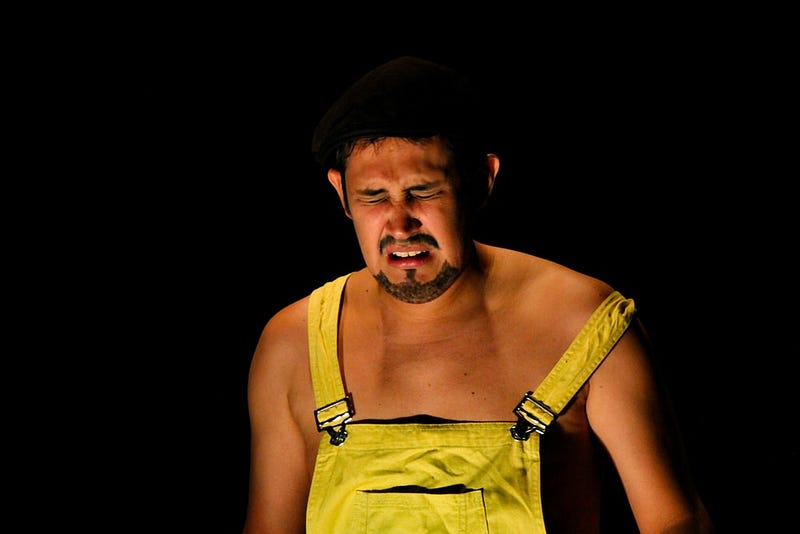
Photo by Alan Jaén on Unsplash

It’s been exactly three months since I came back to the U.S.

Three months ago I was having the time of my life in Barcelona. I would walk around and admire the architecture while sipping cafe con leche with the occasional blunt. Okay, maybe a little bit more than occasional.

The freedom to move was a magnificent feeling, until it was not.

I’ll never forget the time in late January when I was chilling with my friend Anass at our spot in the Sant Antoni neighborhood and he was going bonkers about the pandemic before it was.

“Did you see what’s going on in China? This is going to be a pandemic!” He said.

None of us believed him at the time because we were delusional fucks. All we cared about was ourselves and going about our daily leisure and pleasure.

When the train is coming and you’re on the tracks, you pretend that it’s not there until it’s too late.

And that is how our complacency killed millions.

As of this writing, 364,849 people have died from the coronavirus with 102,808 of them being in America. Like our budget and the Department of Defense, we have accumulated a whopping one-third of deaths from the global pandemic.

It’s pretty ridiculous that the richest country in the West had suffered the worst of the global crisis.

Only when it’s not.

We had this coming for a long time. We live in a country that cares more about making the rich richer than people. Don’t believe me? Believe the 45 million people who have $1.6 trillion in student debt, or the one-in-four Americans who have filed for unemployment, or the 100,000 small businesses that are now forever out of business.

Trillions with a “t”, baby.

We’re comfortable with the plight of the people, as long as Fortune 500 firms continue to exist.

Is it really shocking that we decided to not give a fuck about people, again?

We may blame countries like China for the spread of the virus, but it’s time to look at ourselves in the mirror, America.

Wake up and smell the coffee!

Coffee I wish I had. Photo by Blake Richard Verdoorn on Unsplash.
Politics
Art
Economics
Ideas
Inspiration
Recommended from ReadMedium