
Now We Forgot Days
The psychology behind losing sense of time during quarantine
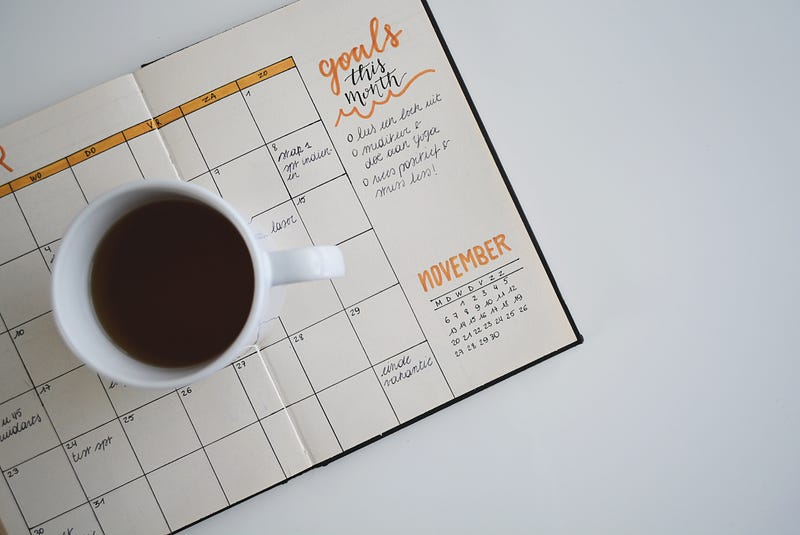
Time is the observance of before and after, now and then, the beginning and the end. Normally, we have regular schedules during the week, like yoga class on Tuesdays, or meetings on Thursdays, or dental appointment on Friday. Most of the time we are just excited waiting for the weekends. However, life has become more blurry now. The days all seem to blend together — is it Tuesday or Friday?
Without those markers now, time becomes less distinct and we lose track of days. In 2020, the coronavirus has become the fulcrum for change. The virus has created its own clock. There is less demarcation between a day and a week, a weekday and a weekend, the morning and night, the present and the recent past. The days blend together, the months lurch ahead. The pandemic has taken away our sense of time.
Why is this happening?
Dr. Sophie Herbst, a cognitive neuroscientist at Humboldt University in Berlin says that we are losing a lot of temporal cues. Temporal cues or temporal anchors are regularly occurring events, like weekends, which would normally break up the workweek. These anchors help us orient in time.
Dr. Martin Wiener, an assistant professor of cognitive and behavioral neuroscience at George Mason University says that people take certain events during the week that are cyclical, and they anchor themselves to it, and the farther you get out from that anchor, the harder it is to tell when it is. When you stay at home all the time, weekends don’t exist anymore.
Researchers at the Kavli Institute for Systems Neuroscience have discovered a network of brain cells that expresses our sense of time within experiences and memories. The area of the brain where time is experienced is located right next to the area that codes for space. We have developed multiple biological clocks to help us keep track of time. Some timekeepers are set by external processes, like the circadian clock that is tuned to the rise and fall of daylight.
Right now, some people say time is moving more slowly than normal, but others can’t believe how much time has gone by. Ruth Ogden, a psychologist at Liverpool John Moores University has turned her attention to time perception during a pandemic. Do people perceive a day on lockdown as longer, or shorter? Her study shows that people seem to be experiencing it differently. Half say it’s going quickly, half say it’s going slowly. Time can disappear when we are deeply immersed in an activity we enjoy and in the case of extreme boredom. When nothing is changing, our experiences of time become excruciatingly slow.
Claudia Hammond, a journalist and the author of Time Warped: Unlocking the Mysteries of Time Perception, calls this the “holiday paradox.” When people go on holiday, they say it goes really fast. But when they come back, it feels like they’ve been away for ages. Those vacations are often filled with new experiences and a break from the normal routine.
How to keep the sanity?

- Create a New Routine
One of the ways to keep the sanity is by creating a new routine. Stick to your routine. Chalk out a plan on how you can spend your day. Working from home doesn’t mean you can be lax. Devote time as you would during usual office hours. Similarly, take breaks. Eat timely and exercise.
2. Distinguish Your Days Off
You may also plan your workdays different from your days off. Plan specific fun activities you reserve for days off or things you only do on days off. Put away your home office accessories and work materials on your days off so they’re not occupying your living space. Do your karaoke night with friends online or play ludo — whatever makes you feel happy on your weekend.
3. Set Aside Time for Self-Care
Find little ways to care for yourself every day. By taking a bath, writing in a journal, or diving into a hobby like knitting.
4. Get the Sunlight
Make sure you are getting exposure to sunlight during the day. This helps your body know what time it is. It also can help improve your mood.
5. Do Some Meditation
Meditation helped us to reduce our anxiety and promote emotional health. It is, after all an active form of brain training.
While you may certainly not like staying at home for hours on end, this is our way of life for the time being. Remember that this is temporary. There will be a day when you will be able to return to work, and your kids will be able to return to school. Have some downtime by video chatting with friends who help you feel better. And sometimes it is perfectly okay to sit on the couch in yoga pants and eat cookies.
You and your family will be okay. Just be easy on yourself.