
Now Men are Wearing Caftans Too
And they too are doing chores
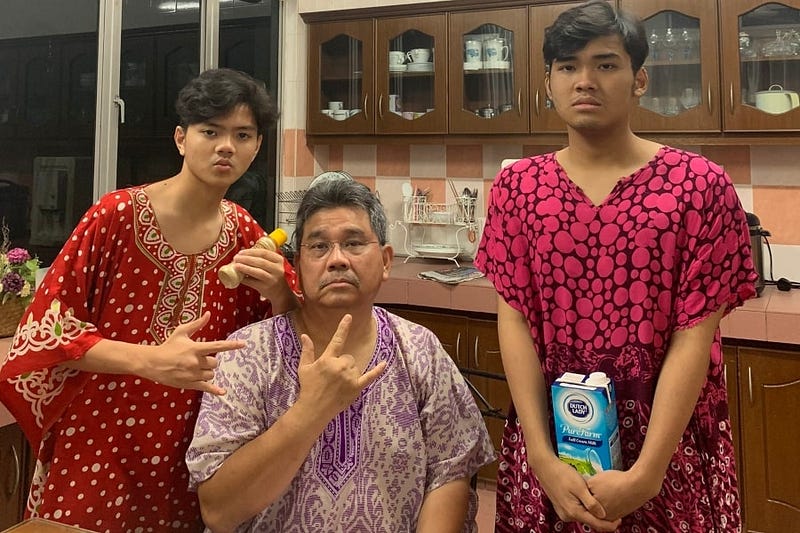
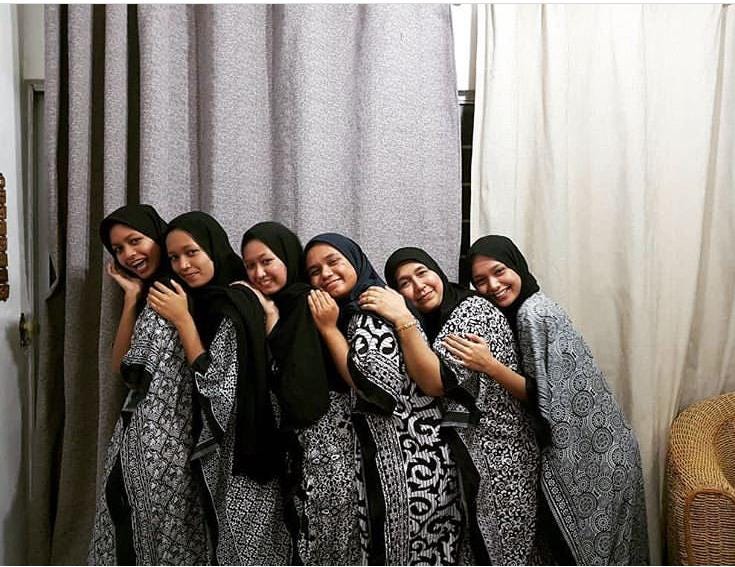
Caftan (also known as Baju Kelawar in Malay) is a very popular nightwear worn by women in Malaysia. The country hot weather is the reason why women love wearing this comfortable piece. The cutting is very loose and suitable for all types of bodies. Women in Malaysia love to wear these caftans because of the comfort that it offers. It is made of cotton fabric with batik designs. This nightwear is a ‘uniform’ commonly associated with housewives, moms, and wives while doing house chores.
However, during the Movement Control Order (MCO) imposed by the government recently, we have seen a few viral photos on the internet of men doing chores in their wives’ caftans. These photos got many reactions from the netizens. The Prime Minister had jokingly made a statement about these photos in his speech. Many found it as hilarious.
To me, this is not just about men wearing women clothes. This is more than that. Some people are making fun of men doing chores. I found nothing funny about this issue. In fact, I have respect for those men who are helping their spouses or moms with chores. To be fair to us, men do a lot more housework than in the 1950s. But women still do a lot more than that.
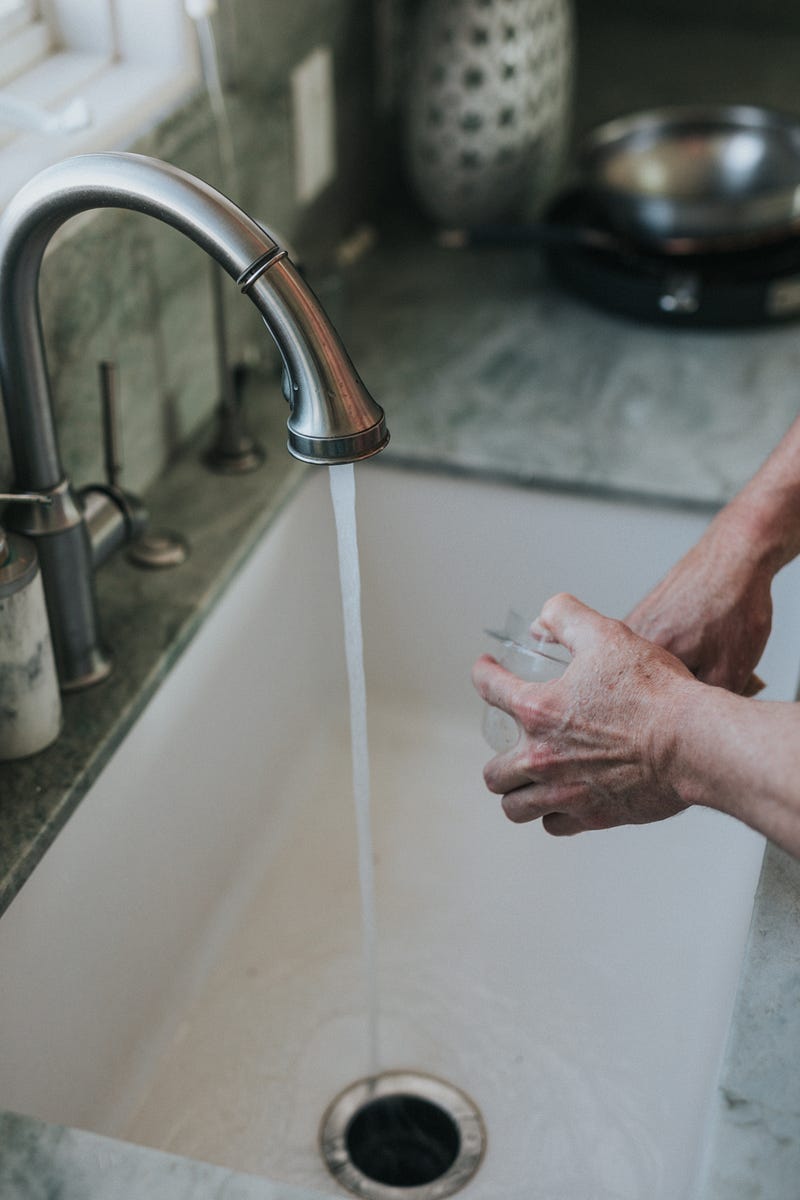
What’s puzzling is that housework doesn’t seem to be following the same trends as other fronts in the struggle for equality. Over the last half-century, across the developed world, more and more women have gone to work, the gender pay gap has been steadily narrowing, and fathers have spent more and more time with their children. But the “housework gap” largely stopped narrowing in the 1980s.
Our efforts to increase gender equality over the past several decades have really focused on changing women’s opportunities. We haven’t expanded the roles and expectations associated with men. What it means to be a ‘good man’ is still highly associated with having a stable, breadwinning job, and still avoiding feminized activities
Norms about what men are supposed to do also have an effect, starting from childhood, when boys do fewer chores than girls do. Masculinity is strongly tied to earning an income and avoiding things that are considered feminine.
If we are to educate our boys about gender equality, it needs to start young. If they grow up in a house where women do all household chores, we’re telling them that this is the norm. It makes them feel entitled and before we know it, unintentionally, we’ve sown the seeds of gender bias.
Because what you learn at a young age stays with you the entire life. It moulds you for the person you will become in your adulthood. Therefore, it’s important that we teach our kids that household chores are not just a womanly duty. That it’s as much a man’s job to wash the dishes as it is a woman’s. It’ll not only make them woke individuals but better contributors to the gender equality debate as well.
Women have been campaigning for gender equality since time immemorial. For the right to vote, the right to inherit, equal pay, and whatnot. The campaign never seems to end. But with men who’ve been raised right, gender equality will not be just a campaign. It’ll be the way of things. When men start doing household chores and it’s not a big deal, that day we would truly achieve gender equality.
I don’t think we need to wait for scholarly research to mature. We don’t need to think deeply about theories of justice, fairness, and what counts as injustice either. Instead, we need simply notice, first, that these women are overwhelmed, second, that they’re our best friends, and, third, that there are lots of little things we can do about their suffering. To start, men might ask their partners to draw up a list of invisible tasks, remain attentive to the work that needs to be done, do some of it, and remember to recognize the effort and sacrifice involved in completing the remainder.
All in all, its just about love, compromising, and responsibility. Gender equality is not mainly about women rights to education and work but also to men responsibility to do chores.
Hey, let the men wear the caftan and do the chores too!


