Not Staying Home: I Feel Safe, Until I Don’t
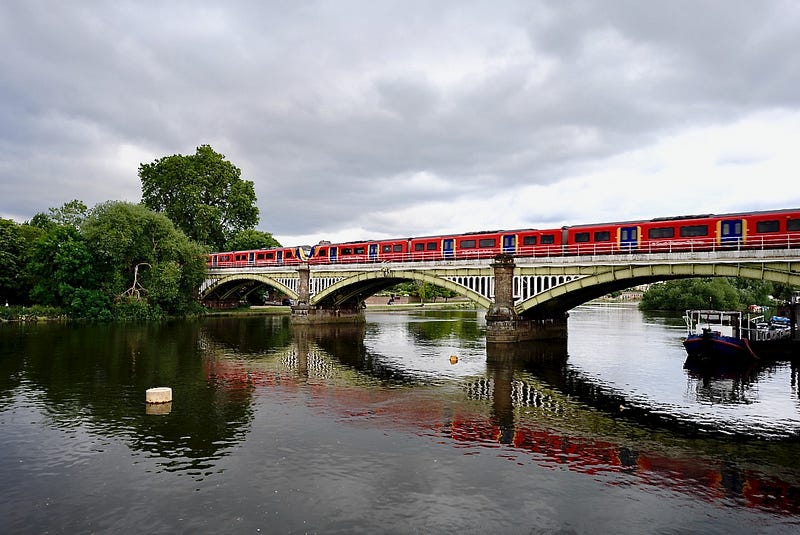
I suppose that walking to church in 1285, the village resident had risks to consider when going outside versus staying home. After yesterday, I have empathy for the traveler of the Dark Ages. Today, during our lives in emergence, there are scientific calculations that many ignore, including the most fundamental questions about what is safe, and what is a risk worth taking.
In re-emergent Greater London, I feel reasonably safe with the magic mitigations of handwashing, distancing, and wearing masks if sensible (or required), until I don’t.
Here is what I mean; many of you will know these vignettes all too well. People walk by too near. They speak intently to their friends or phone while you breathe in their voices. Or, of course, they simply don’t wear masks on, e.g., the train, the tube, or on the bus.
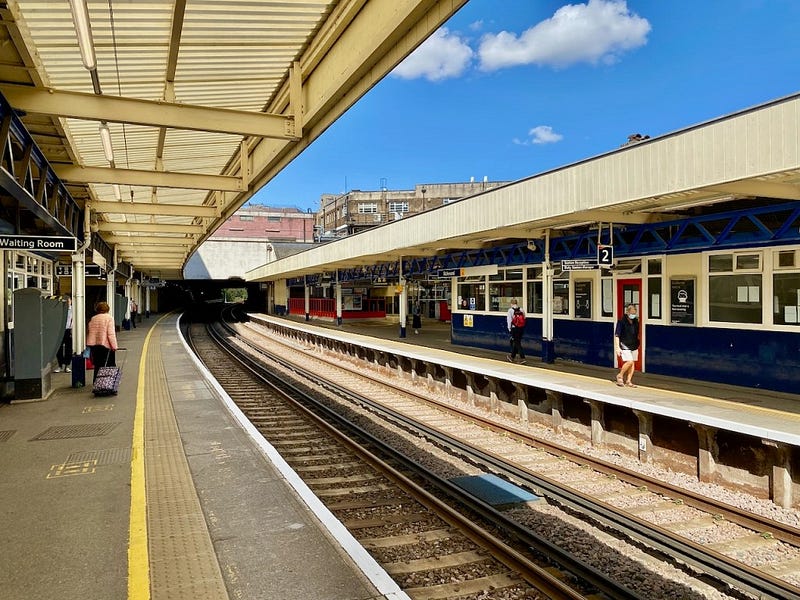
Even in 1996, articles explained how the public takes on scientific information and how it converts to cooperative human behavior, or something less helpful. Theories of deterrence even allow for fines against unsafe conduct, such as failure to wear masks on trains. Why, then, did I experience the following yesterday?
- A chap who wanted to go to Wokingham asked me if the train went there, using personal distancing decorum from last year.
- Two young women traveled from Newbury to Thatcham with food (which they ate), chit-chat, and no masks.
- After Newbury Racecourse, two people took their masks off while on the train, to allow for clear conversation across from each other, which continued when one yelled to the other from 2 feet away: “This is our stop?”
- Two gentlemen wheeled their bikes through the aisle, half-masked (one said, “sorry,” but that, too, was sans mask from 1 1/2 feet).
- A gentleman had an animated speakerphone conversation from Reading to Twickenham (no mask), which no doubt continued. I cannot confirm whether his call lasted more than 32 minutes because we jumped off the train early rather than risk further exposure until Richmond.
A train car is an interior space, which, given a perfect storm of circumstance, could spread infection.
All of the stories above were fine-worthy, but very few train cars in the United Kingdom contain anyone who can levy such penalties. So the deterrent is only there for those who would comply in any event, which to some I suppose means curmudgeons.
Time and again, we hear that the degree of government restriction will depend on you, the public, and your resolute common sense. But rest assured, if you are still staying home, I understand.
Originally published at https://sustainingplace.com on July 21, 2020.


