
Northern Ireland and the Importance of Peace
The Troubles and the Battle of the Bogside
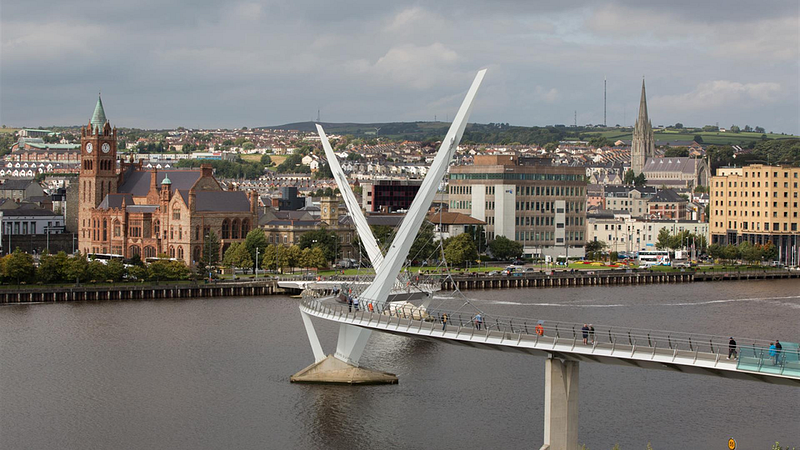
In 2016, I had the opportunity to travel to Northern Ireland with my wife and her family. I was aware that Northern Ireland and the Republic of Ireland were two different countries and that the IRA existed, but as an American in his early 20’s I was not keen on the specifics on the matter. It wasn’t until I got to the town of Londonderry (known by the locals as Derry), that I quickly learned of the painful history of the region. In the town of Derry, there is this area known as the Bogside. Before we continue it is important to note that Northern Ireland is a part of the United Kingdom and as such is a British country. Now with that said, along the buildings of the Bogside are murals dedicated to fallen martyrs, anti-British propaganda, and artistry calling for peace.
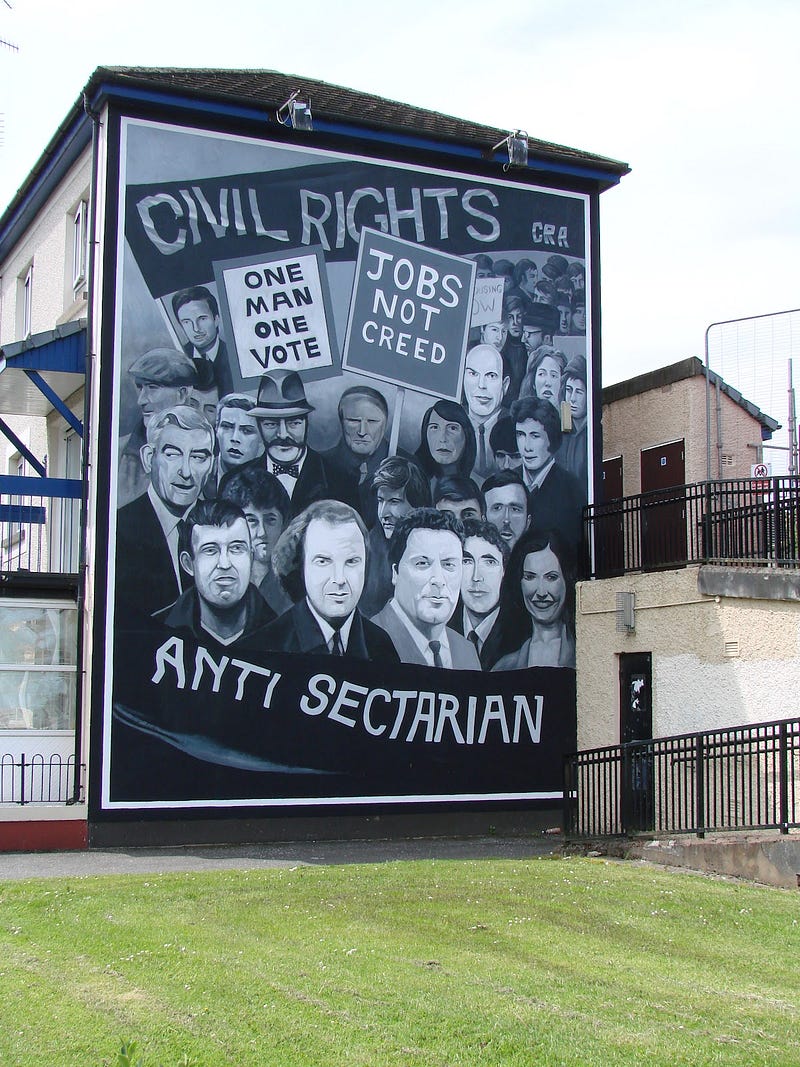
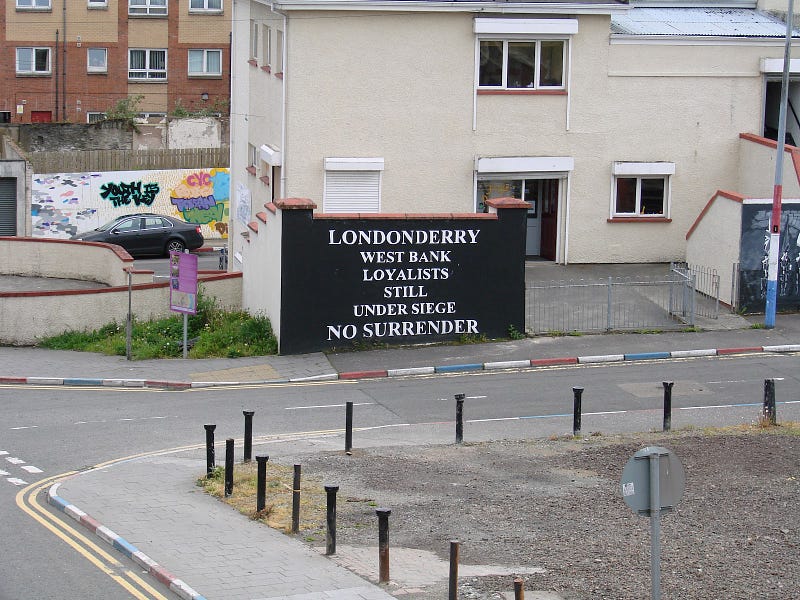
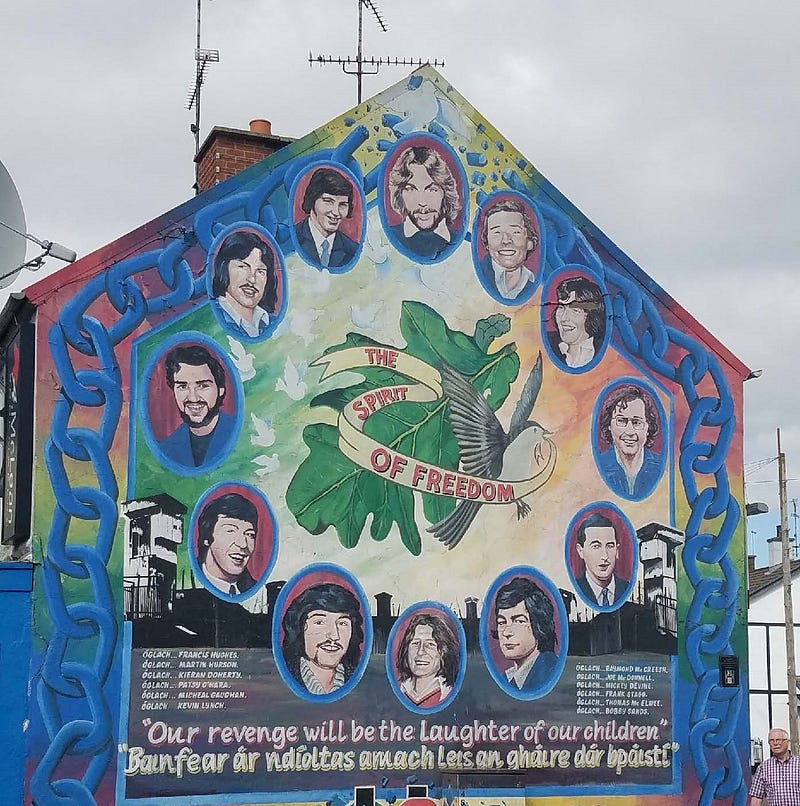
This section of Derry is a memorial to the period known as the Troubles, and it is here in the Bogside that the turmoil between the Unionists of Northern Ireland and the Nationalist Irish Republican Army came to a head. In 1969 a riot broke out in the Bogside between Derry locals and the British-backed police force in an event known as the Battle of the Bogside. As a result of this, the British Army was called in to restore order. For the next few years, the area of the Bogside was known as Free Derry, a No-Go area in which the British police forces could not operate as normal. Instead, the area was patrolled and protected by Derry Citizens and members of the IRA. The actions taken that day by the citizens of Derry were a fierce statement to the crown that they would no longer allow the minority-Unionists in the city to govern. However, in 1972 the conflict in Derry grew. On January 30th, British soldiers fired on a group of people marching in protest. 26 people were shot and 14 were killed. This day would later be known as Bloody Sunday. Later that year, the British launched Operation Motorman, a large-scale operation to retake the area known as Free Derry and other no-go areas along the country.
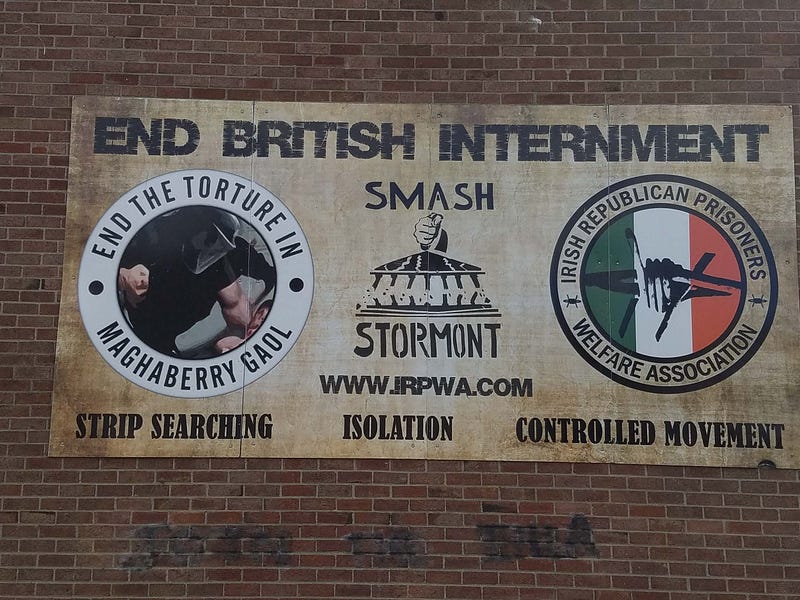
The Troubles began in 1960’s with nationalist Irish wanting Northern Ireland to join the Republic of Ireland to create a united Ireland and Unionist Irish wanting Northern Ireland to remain British. The era ended in 1998 with the Good Friday Agreement. One of the key components of the agreement was to allow Northern Ireland and the Republic of Ireland to have open borders. This agreement is still maintained even with the events of Brexit.
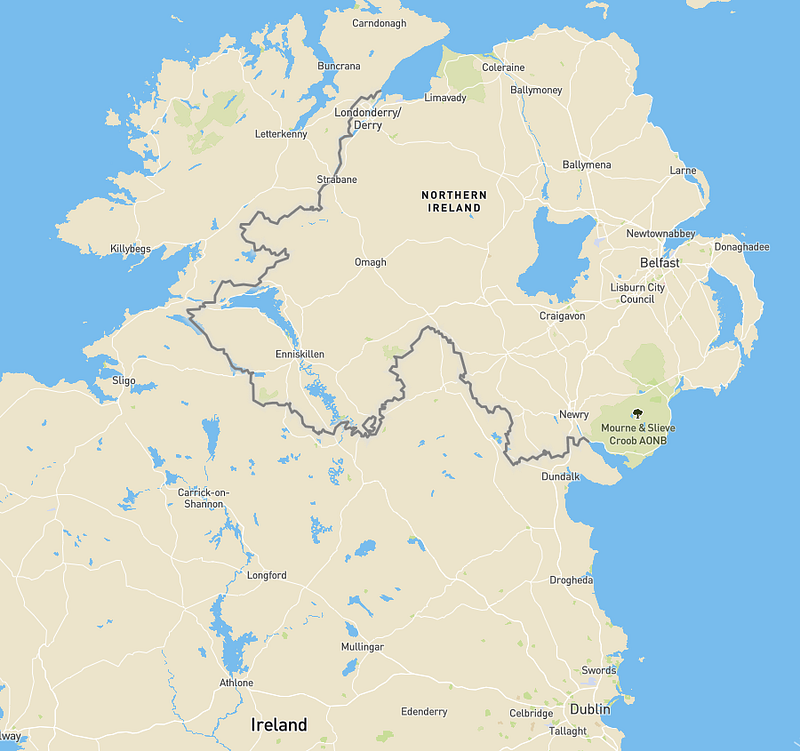
The era of the Troubles was a tumultuous time period that resulted in many changes between the nations of England and Northern Ireland. For the people of Derry, the wounds are starting to heal but serve as a reminder of the importance of peace. If you get the opportunity to visit the nation of Northern Ireland, remember to have conversations with the locals to hear their stories. The stories serve as a reminder of the importance of peace and unity among conflict. Northern Ireland is a wonderful country to visit to see gorgeous landscapes but it is also a fantastic country to visit to gain perspective. I recommend that everyone visits the nation and takes the time to experience the rich history and culture that is on offer.
— Follow us on Instagram at https://instagram.com/the_travelagents
— Check out our podcast on all major platforms here: https://bit.ly/3F3q1qZ


