
North Korea’s Million Shell Gift to Russia: A Dark Boost For Russian Forces!
In the shadowed echelons of modern warfare, where the stark realities of conflict meet the unyielding resolve of nations, the Ukraine-Russia war presents a tableau of strategic endurance and geopolitical maneuvering. This confrontation, far from being a mere regional skirmish, encapsulates the broader struggle for sovereignty, democracy, and the right of a nation to chart its own destiny free from the hegemonic grip of a neighboring colossus.
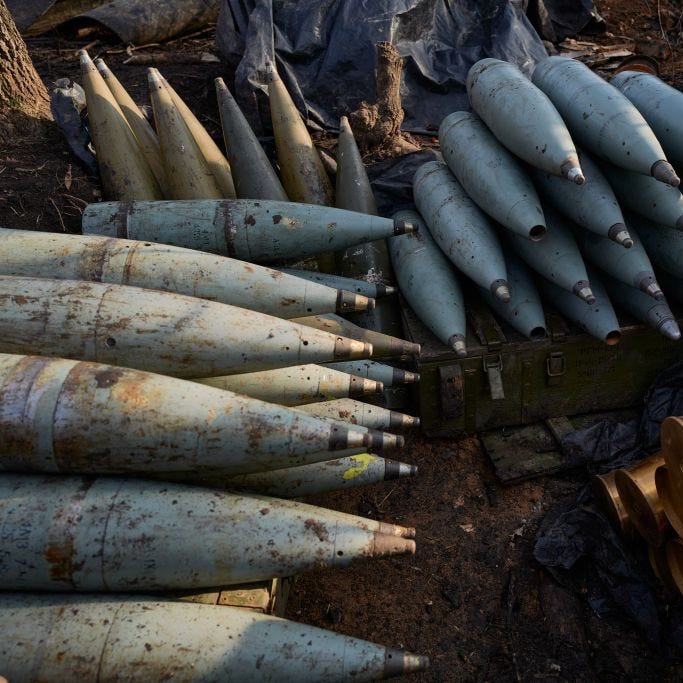
At the heart of this struggle lies Ukraine, a nation beleaguered yet unbroken, facing an adversary with seemingly insurmountable military might. Recent assessments from the Institute for the Study of War (ISW) paint a grim picture of Ukraine’s predicament, driven by a palpable imbalance in military support that threatens to tilt the scales of conflict irreversibly in Russia’s favor. The stark revelation that Ukraine has received only 50% of the promised artillery shells from the European Union, coupled with the American aid hanging in balance, necessitates a profound reevaluation of operational strategies by Kiev.
The dynamics of the frontline, as reported in January, eerily mimic those observed between the end of 2022 and the onset of 2023, a period marked by anticipation for significant tranches of Western ammunition that never fully materialized. This ammunition deficit has severely hampered Ukraine’s counter-battery capabilities, allowing Russian forces to establish entrenched artillery positions that have persisted unchallenged for extended periods.
A quick heads-up: Medium’s been tweaking its algorithms and it’s getting trickier for my stories to land in your feed. So, if you enjoy my work, please make some noise! Hit that clap button, light up the highlights, or drop a comment. Every interaction helps keep the stories flowing. Thanks for your support!
Russian artillery, though not always precise, has managed to suffocate Ukrainian defenses with sheer firepower. Ukrainian intelligence services have noted sporadic engagements with Russian artillery units, but a glaring lack of ammunition has rendered these efforts largely ineffective, allowing Russian artillery to devastate densely populated areas with impunity. This scenario has left Ukraine in a precarious position, potentially forcing it to cede portions of the frontline to conserve its dwindling resources.
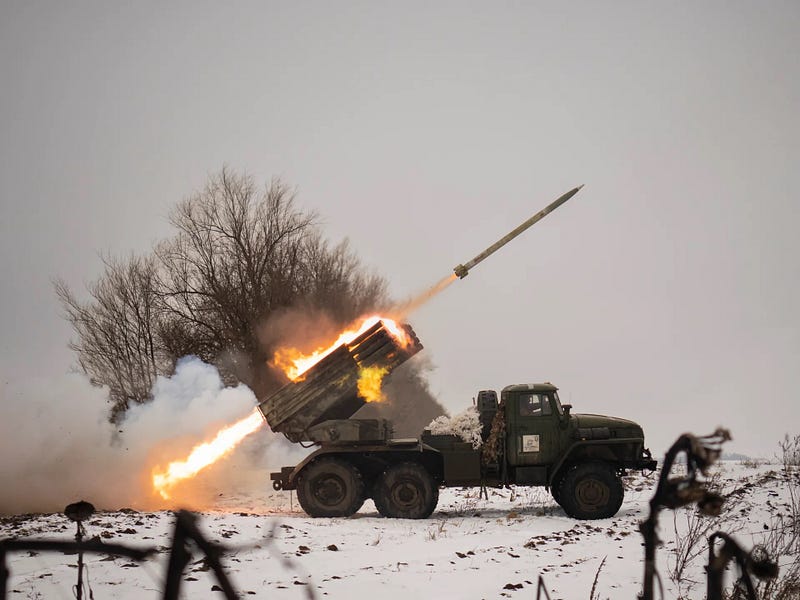
The dire assessment by the ISW underscores the increasingly perilous situation of the Ukrainian military, particularly in terms of ammunition supply. Should the current trajectory of Western military support continue its decline, Ukrainian forces may be compelled to make harrowing decisions regarding the prioritization of frontlines, sacrificing certain areas to preserve the integrity of others deemed more critical to the war effort.
Further exacerbating this dilemma is the Russian exploitation of Ukraine’s ammunition shortfall and its inability to mount an effective counter-battery fight. Ukrainian military intelligence (GUR/HUR) has disclosed that many Ukrainian drones lack the operational range to strike Russian artillery systems positioned 15–24 kilometers from the frontline, highlighting a critical gap in Ukraine’s tactical arsenal.
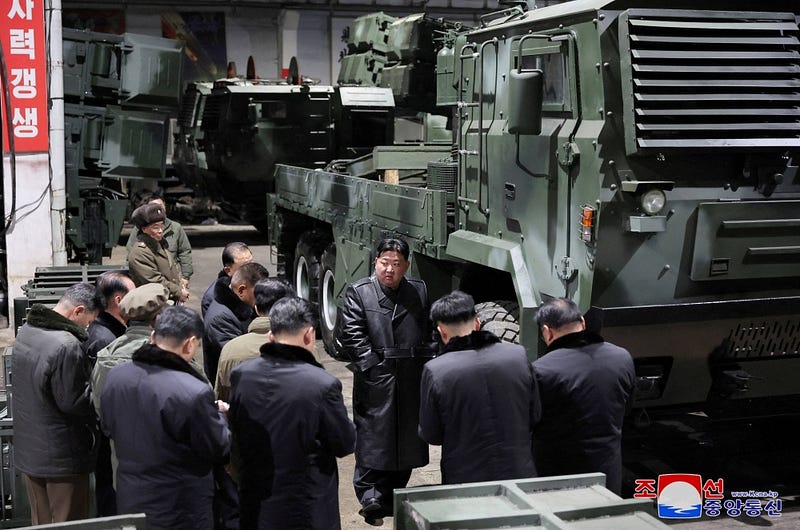
The consumption of 155 mm shells stands at a staggering 200,000 rounds per month, a figure that dwarfs the current supply lines and underscores the logistical challenges faced by Ukraine. Rustem Umerov, Ukraine’s Defense Minister, has voiced these concerns to his EU counterparts, noting that the Russian military outstrips the Ukrainian Armed Forces in terms of ammunition by a three-to-one ratio. The influx of over a million North Korean projectiles into Russia only deepens this disparity, placing Ukraine at a severe disadvantage.
Despite these challenges, the commitment of the European Union to bolster Ukraine’s arsenal remains, albeit hampered by logistical and production limitations. Josep Borrell, the EU’s High Representative for Foreign Affairs and Security Policy, has indicated that by March, the EU will have fulfilled only 52% of its commitment to supply Ukraine with a million artillery shells, a shortfall that starkly contrasts with the operational needs of the Ukrainian military. This discrepancy is further highlighted by the European Commission’s admission that the EU’s capability to produce this critical ammunition will only reach fruition by the end of winter 2024, leaving a significant gap in Ukraine’s immediate munitions requirements.
This ammunition crisis represents not merely a logistical hurdle but a profound strategic dilemma for Ukraine. The imbalance in firepower has not only emboldened Russian forces but has also forced the Ukrainian military to reassess its tactical dispositions and operational priorities. With the specter of territorial concessions looming, the strategic calculus of Ukraine’s defense strategy is being rewritten under the duress of necessity and scarcity.
The predicament faced by Ukraine is emblematic of the broader challenges confronting nations reliant on international alliances for military support. The dynamics of global arms supply, often mired in bureaucratic red tape and production constraints, underscore the vulnerability of frontline states dependent on the vicissitudes of international diplomacy and the capricious nature of global politics.
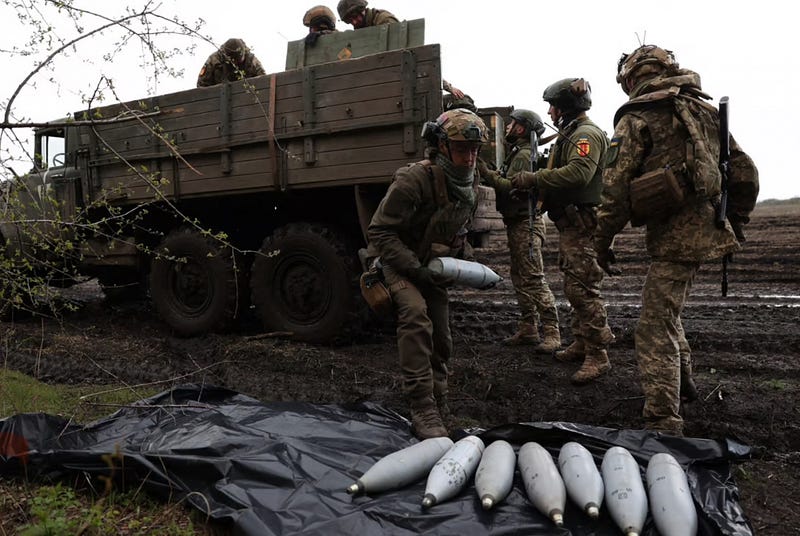
Moreover, the reliance on heavy artillery, such as the 155 mm shells, underscores the conventional nature of the conflict in Ukraine, a battle of attrition where firepower and ammunition stockpiles are as crucial as strategic acumen and tactical innovation. The disparity in ammunition supply not only hinders Ukraine’s ability to mount an effective defense but also limits its capacity to launch counter-offensives, thereby constraining its strategic options and prolonging the conflict.
The infusion of North Korean projectiles into the Russian arsenal represents a disturbing escalation in the conflict, highlighting the global ramifications of the Ukraine-Russia war. This international dimension of the conflict not only complicates the resolution process but also raises significant concerns about the proliferation of military support from third-party nations, further destabilizing an already volatile regional security landscape.
As Ukraine navigates these daunting challenges, the resolve and resilience of its people and military stand as a testament to their determination to defend their sovereignty against overwhelming odds. The international community’s support, both in terms of military aid and diplomatic efforts, remains critical in ensuring Ukraine’s ability to continue its fight for self-determination and territorial integrity.
In conclusion, the war in Ukraine is not merely a regional conflict but a pivotal moment in the struggle for a rules-based international order, where the principles of sovereignty, territorial integrity, and national self-determination are upheld against the forces of aggression and expansionism. The outcome of this war will not only determine the future of Ukraine but will also have profound implications for the international system, highlighting the indispensable role of international solidarity and support in confronting the challenges of the 21st century.
As readers, your engagement and awareness play a crucial role in sustaining the international discourse on this critical issue. Your claps and comments not only signal your support but also contribute to the broader conversation on the importance of upholding democratic values and supporting nations in their hour of need. Let us stand in solidarity with Ukraine, recognizing the indomitable spirit of its people and the critical importance of this conflict in shaping the future of international relations.


