
Normandy: The Once War-Torn Region of France
Why you should visit this apple-obsessed region of France.
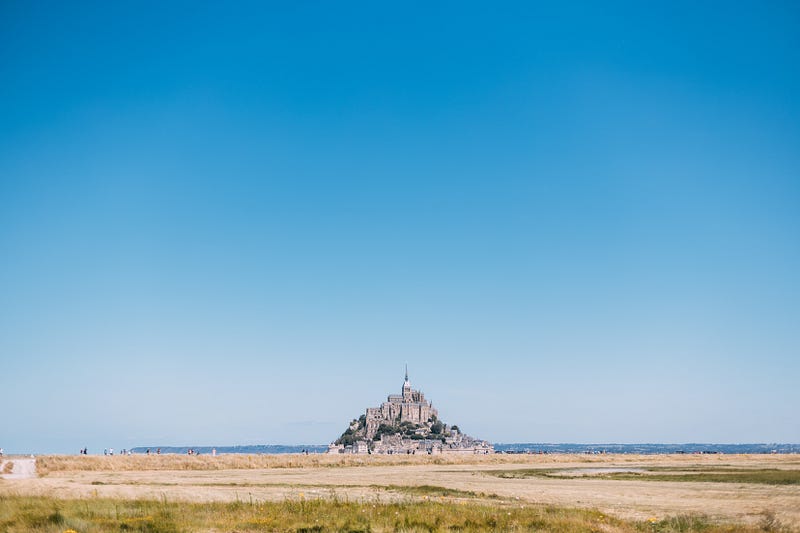
Normandy is a history lover’s paradise. From the courageous storming of the D-Day beaches to walking in the footsteps of William the Conqueror, Normandy is not only a beautiful location but an educational one. Here is why you should visit the Normandy Region of France.
Across the water
Living in Dorset, England on the south coast of the UK, one of our favourite leisure activities is going to the beach. Many a time I stare across the water, thinking about the country directly across from my own. I have always been fond of France having visited occasionally on childhood holidays throughout the years.
France and the UK are intimately connected, more than just geographically speaking. Through our language, our countless battles and even our monarchy, France and the UK have had a complex, tumultuous relationship from the start. One that was briefly mended throughout the course of both World Wars, as we fought side-by-side with our Francophone friends against a common foe. Only to have that bond gradually eroded by modern politics and…Brexit.

I digress. Having always wanted to drive on the mainland, we decided our first trip away from UK soil in 3 years (cheers Covid) should be France or, more specifically, Normandy.
With the ferry port literally about 10 mins away from where we live, we hopped aboard and set sail for Normandy… and I am glad we did, here’s why:
The Land of Conquerors and Kings
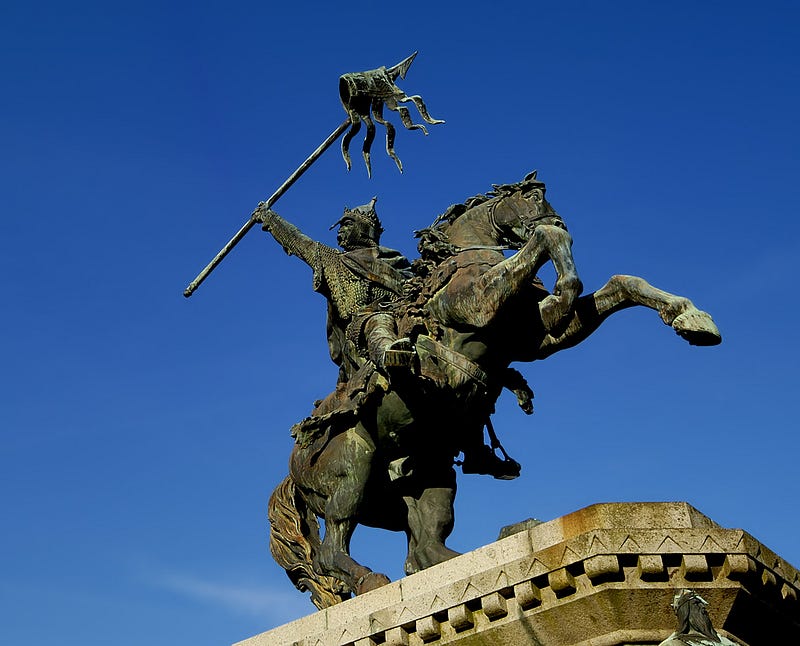
Normandy, a land where Conquerors were forged and prophets burnt. Where brave men made the ultimate sacrifice and the tide of war in Western Europe turned. Normandy is steeped in history.
Normandy in particular is a very history-rich region. With its very shoreline being centre stage for one of humankind’s most pivotal moments, the D-Day landings. This awe-inspiring offensive was a major turning point in WW2, where more than 150,000 US, British and Canadian troops and many other nation’s soldiers risked it all to bring an end to the war.
Visiting the beaches of Normandy was a surreal experience, the kind that sends a shiver up your spine as you think back to the horrors that took place on those shores. Imagining the bravery and valour that was present on those beaches in 1944 is a humbling experience, to say the least.
History Time: The assault on the Normandy beaches (led by Major General Dwight D. Eisenhower) was a 5 pronged attack, with Utah and Omaha beaches (closest to Cherbourg), being made up mostly of US contingents. The middle beach or Gold beach was headed mostly by the British. Juno, the 4th beach going east was headed by the Canadians and the last beach, or Sword Beach was a combined effort of British and Canadian troops.
The Free French fighters were vital in providing intel on Nazi defences and carried out sabotage behind enemy lines, along with allied paratroopers and special forces.
Going from 1944 to 1066, Normandy was the birthplace of William the Conqueror, England’s first Norman monarch. Normandy is scattered with sites linked to her most famous (or infamous) son, from his place of birth in Falaise to his place of rest (or should I say his thigh bone’s place of rest) in the city of Caen.
The capital of Normandy, Rouen, is also the city where Joan of Arc was condemned and burnt at the stake for heresy. Her story is one of treachery and deceit. Visiting Rouen lets you learn her story, in the city that witnessed her fiery end.
Normandy’s Cuisine
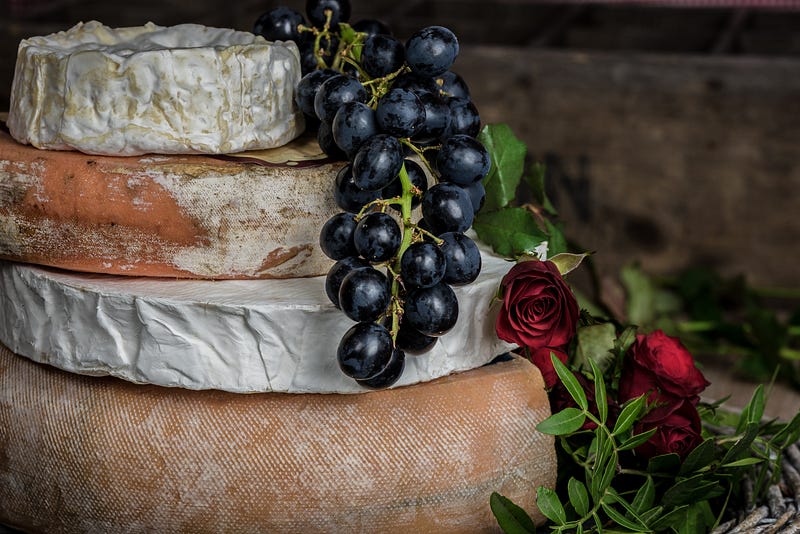
The humble apple reigns as king in this region. Drive in any direction and you are bound to spot at least one apple orchard before you hit the 10-minute mark.
They use it in a huge variety of ways, from their favourite dessert, Tarte Normande (an apple-based tart/pie, similar to the more famous Tarte Tartin) to using it as a vibrant fruity kick to savoury dishes, mostly pork and duck.
Being a coastal region, seafood is a must-try in Normandy. Whether it be freshly caught fish to a platter of shellfish, Normandy has you covered. Scallops are excellent here, with St Jacques Coquilles en Gratin being my favourite way to enjoy these treasures of the sea. As cream and dairy products are heavily utilised, expect to see seafood served in a creamy, white wine sauce often in this region.
With great dairy comes great cheese (something Uncle Ben would’ve told Peter Parker if he was bitten by a radioactive cow instead of a spider). Normandy is known to be the birthplace of Camembert, along with three other noteworthy kinds of cheese: Livarot, Pont l’Eveque and Neufchatel. Most restaurants serve cheese platters as a savoury option instead of dessert, so see if you can try them all, Bon Appetit.
Overall food from Normandy showcases the best of the sea and the country, the food is simple but flavourful. Dishes here are often rustic, with that French flair for making food an experience, without sacrificing the time-honoured traditions and humble origins.
Wine or Cider?

The French drink wine, right? They are known for their incredible, versatile wine the world over. However, in Normandy cider (or cidre) is about as widely drank, with the same level of sophistication that you would expect from the French.
Sold in wine bottles, Normandy makes good use of its plentiful apple orchards, producing some of the best cider in the world. Using bittersweet apples, Norman’s opt for a slow fermentation process making for a much deeper, complex sweet flavour. Creperies (French pancake restaurants) traditionally serve their sweet ciders with both sweet and savoury crepes.
Cider isn’t the only apple-based drink in Normandy. Calvados, named after its home region is a brandy made from apples. The flavour profile varies considerably, depending on aging time, much like all liquors. With younger products being fruitier and brighter in flavour.
Both cider and calvados make great souvenirs if you are stuck for gifts to take home.
The Warm Country Folk of Normandy
The people of this region are incredibly friendly, despite the negative stereotypes surrounding the French.
I will forever love the “Bonjour, monsieur” as you step into any shop. It gives you a feel for the good old days when people had respect for one another and interacted like humans.
The Normans have that country charm and laid-back character that I always miss from countries like France and Spain. They love your attempt at French, regardless of how bad it is. Believe me, I battle-tested this theory for an entire 2 weeks in France, even referring to an elderly woman as ‘monsieur’! I don’t know why, but in a fumbled attempt to find a reply in French, I decided it would be better to just repeat the greeting the lady used on me.🙃
Don’t listen to those that bash the French, especially the Normans. They are great! (apart from some dodgy driving here and there).
Architecture from West to East
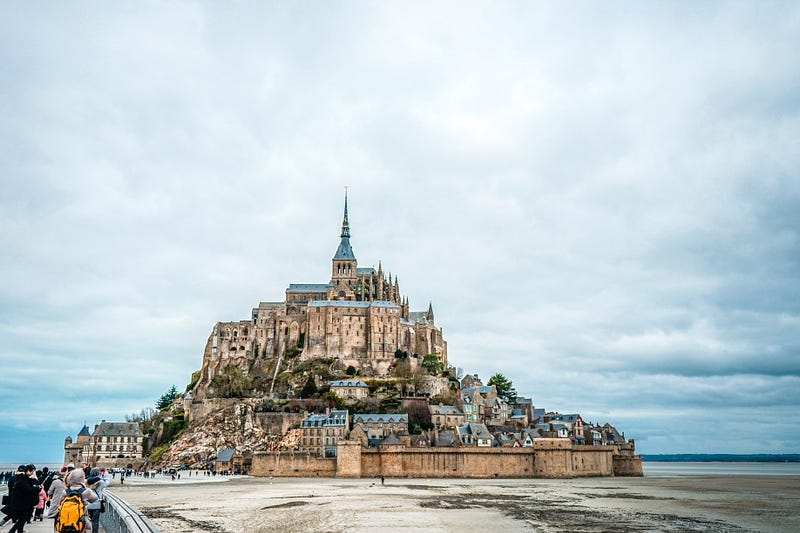
Something that I didn’t expect from Normandy was how beautiful and in keeping with heritage, the buildings are.
In the East (or Upper Normandy) the majority of buildings are built in the half-timbered style, decked out in a variety of unique and characterful colours. Rouen is the best example of this medieval/renaissance building style, you don’t have to imagine too hard to visualise how life looked during the 1500s.
Over to Lower Normandy in the West, you will see more stonework, with many farmhouses and towns taking on a more uniform colour scheme. Whilst not as eye-catching, the stone houses do give a sense of ruggedness to the already rugged landscape.
One can not mention architecture without mentioning one of France’s most visited landmarks, Mont-Saint Michel. This manmade wonder is an unforgettable awe-inspiring location, situated on the border of Brittany. Although touristy, Mont-Saint Michel is at its best when observed from a distance, to fully take in the fairy-tale majesty of this attraction.
History Time: If you want a break from the stone and half-timbered buildings, then a trip to Le Havre may be worthwhile. Flattened during the war, Le Havre was forced to rebuild large parts of the city from scratch. Thanks to Auguste Perret, a French architect, the city was rebuilt into a rigid concrete haven, formed in the image of modernity. The city of Le Havre was awarded UNESCO status in 2005 as a celebration of modern architecture and comfort, as well as post-war ingenuity.
The Rugged Landscape
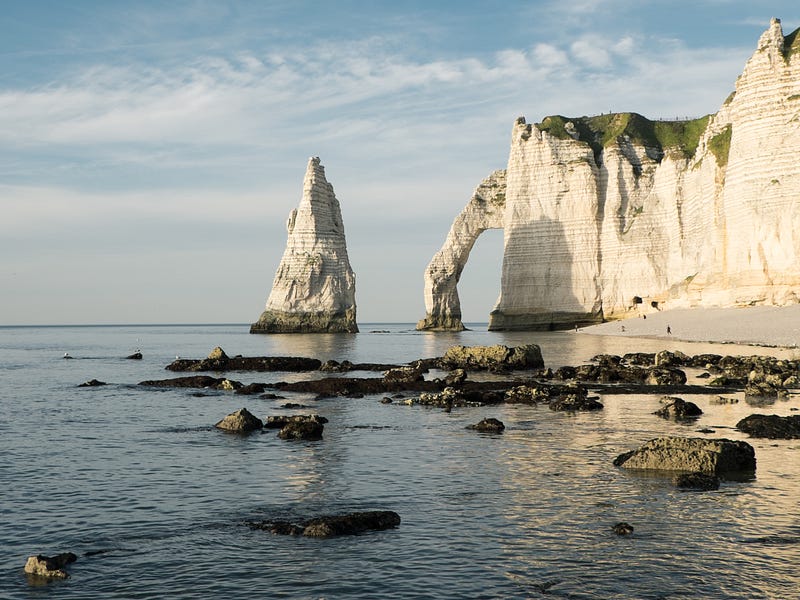
The region of Normandy is tough and enduring, much like the people. With rolling hills, stone walls, rustic farmhouses and heavily forested expanses, Normandy’s landscape is beaming with old-world charm. Completing this old-world picture are the bountiful livestock and the region’s trademark apple orchards. Hiking opportunities are plentiful here and a great way to take in the picturesque landscape.
Now from the green rolling hills to the shore, as Normandy’s coastal scene is definitely worth exploring. Etretat (pictured above) is Normandy’s famous natural beauty spot. Mirroring the white cliffs of Dover and the famous Durdledoor in Dorset, Etretat and the surrounding area is a fantastic place to visit.
Visit Normandy
Normandy is a true gem in Northern France with its own unique heritage. Whether you are a history lover or not, there is always something for everyone in Normandy. I was actually surprised by how much I enjoyed my time there and I would thoroughly recommend the region. If anyone has visited Normandy I would love to read your thoughts!