
ICYMI
Noam Chomsky on Iran, Bernie Sanders, & More
“Plenty of opportunities.”

After Trump tweeted about the prospect of damaging Iran’s cultural property, I contacted Noam Chomsky — author of “The Responsibility of Intellectuals” and countless other works — to discuss the shifting ground beneath our feet. A condensed version of our exchange is below.
Alex Garrett: Years ago, I asked how to fight violence and exploitation. You said, “We each have to make the choices that make sense to us.” Now that millions of lives are at stake, is lawful protest still a sensible choice? Or, does U.S. aggression toward Iran demand militancy?
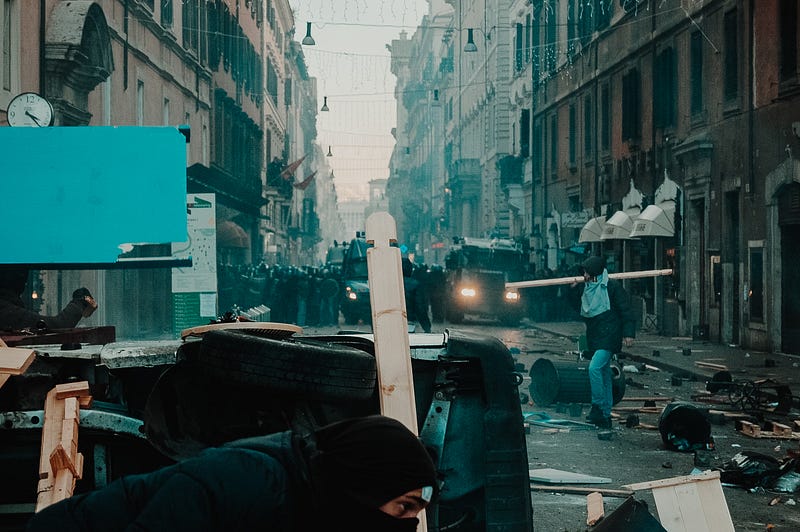
Noam Chomsky: It’s not necessary to defy what’s called “the law” to combat Washington’s increasing violence and threats to world order. There are many other ways. It’s possible that visible opposition to state policy can cause career threats in a highly conformist society like ours, and those are questions that one has to assess by oneself.
The late ’60s was different. A war of aggression was raging. South Vietnam had already been virtually destroyed and the US was expanding its aggression to all of Indochina. I tried to organize national tax resistance in 1965, with quite limited success, and moved on to more direct resistance. In fact I was a co-conspirator in one Federal trial and was named as defendant in another one, but it was called off after the Tet offensive. Again, one has to decide for oneself what risks are worth taking.
AG: Was citizen action more effective in the late ‘60s? What about the influence of public opinion? You’ve said the state has become more sophisticated in its methods of centralizing power and protecting so-called “American interests” from Americans themselves.
NC: Citizen action was highly effective. That’s demonstrated even in the Pentagon Papers. I’ve written extensively about it, Dan Ellsberg too, many others. The Pentagon doesn’t initiate policy. It executes it. And the government is far more vulnerable to pressure today than in the ’60s. In fact, by now the government barely functions.
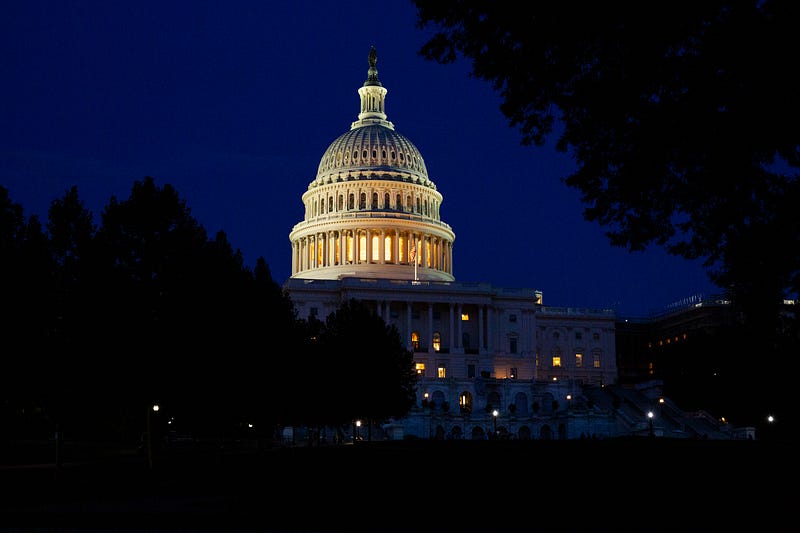
The Senate is a joke, as even the media report.
For several years the media have been reporting the collapse of the Senate under McConnell, and joking about “the world’s greatest deliberative body,” which barely meets. Again, in the past few days with concerns about how they can possibly undertake impeachment proceedings.
Even small actions, like the Sunrise Movement recently, have had substantial impact. In the ’60s it took huge popular movements to budge a government that was actually functioning, with two political parties, not one weak one and another that abandoned parliamentary politics years ago and is now owned by an infantile megalomaniac, held in contempt (and justified fear) by the world.
Plenty of opportunities.
AG: I know you think Sen. Sanders is unlikely to become president, but suppose he takes office after a full-scale invasion of Iran. How would you want him to handle the situation? What do you think he would actually do?
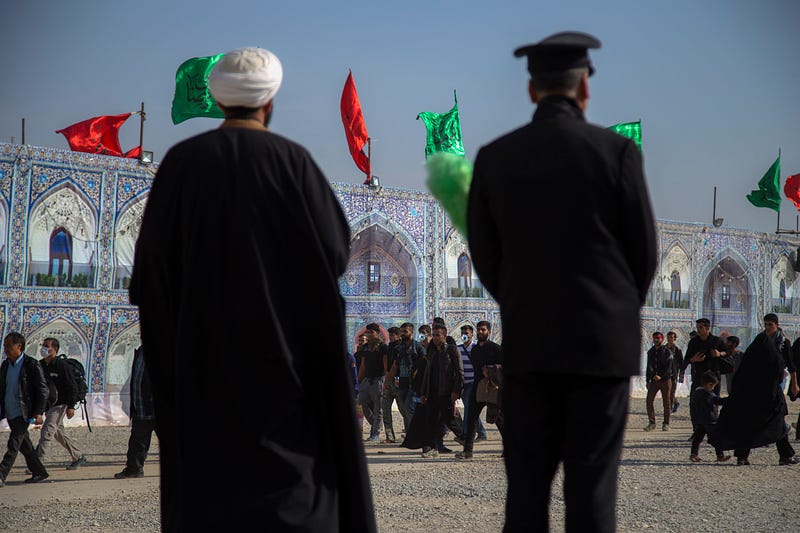
NC: I think an invasion of Iran is highly unlikely.
Possibly an attack but from a safe distance. Maybe missiles, or US bombers with Israeli pilots.
If he takes office he should withdraw the provocations — crucially, call off the crushing economic warfare and restore the JCPOA.
AG: After Fidel Castro died, retrospectives in U.S. press highlighted so-called “citizen diplomacy” — i.e., citizens engaging as representatives of a country — as a soothing influence on U.S.-Cuba relations. Have you ever engaged in citizen diplomacy?
NC: Nothing remotely like it, ever.
Professor Chomsky also sent a link to this Washington Post article about the U.S. Senate. The piece includes some unsettling statistics:
● In 2019, just 25 percent of all votes came on legislation, easily the smallest share since at least 1989. In 2003 and 2004, the most recent similar time frame of a GOP presidency, almost 85 percent of votes pertained to actual legislation.
● The Senate spent just 257 hours in actual debate last year, less than a third of the time the chamber was in session, down by more than 150 hours from 2017.
● In 2015, McConnell’s first year as majority leader, 43 senators spoke on at least 30 days, about once a week while the Senate was in session. In 2019, just 26 senators spoke at the once-a-week rate, while 23 senators spoke fewer than 10 days over the entire year.


