
Seven Reasons Why You Don’t Have to Force Forgiveness
It does more harm than good.
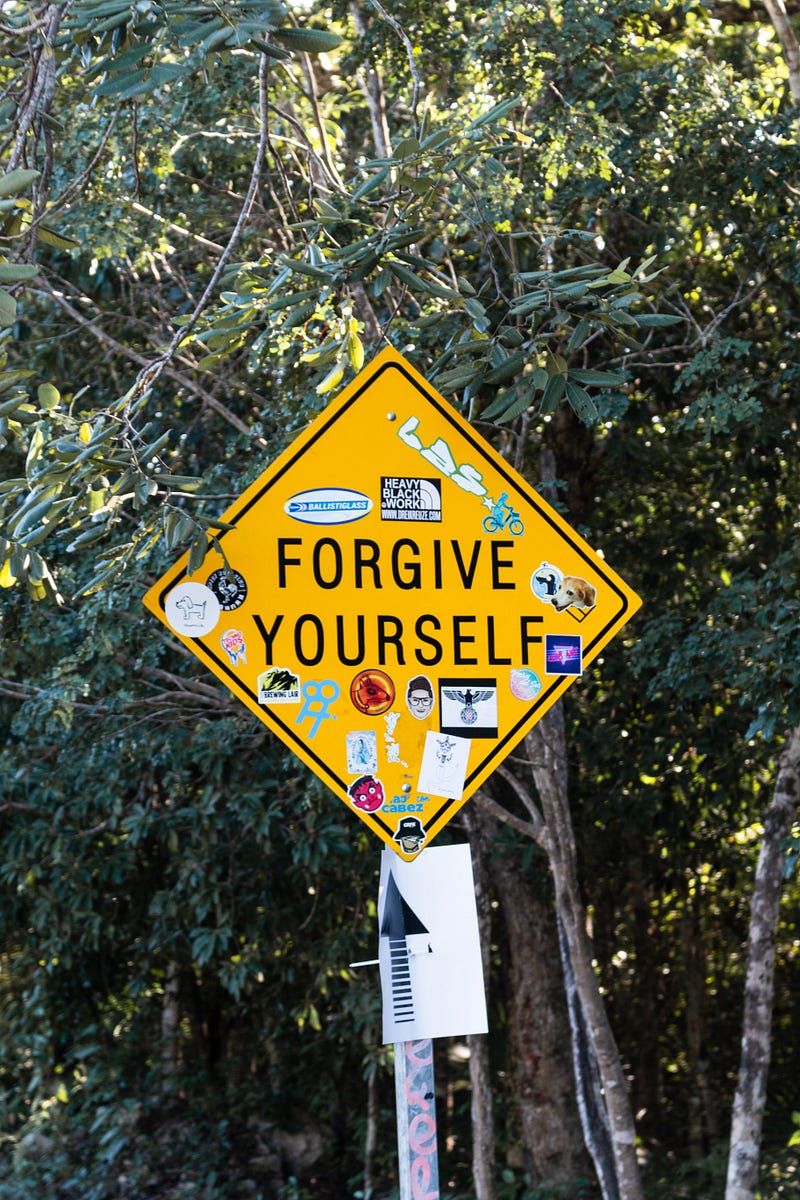
1) It’s Like Giving a Puppy a Treat Because It Peed on the Couch.
I’ll spare you the Psych lesson, but by always forgiving those who don’t treat you well, you’re training them to associate a reward with their bad behavior. If you give a puppy a treat every time they pee on the couch, there will never be an incentive for them to change their habit. Forgiveness enables bad behavior.
2) Nobody Forced Them To Hurt You.
People only do what they want to do. When someone hurts you, it’s because they want to.
They chose to hurt you.
On their own time, at their own whim.
People are more conscious than we give them credit for. Their actions are not accidents.
Non-accidents don’t deserve your forgiveness.
The one thing they do deserve? Your absence.
Remove yourself from people who like causing pain.
3) You Are Not Jesus.
Forgiveness is described as a clean slate. It’s the art of acting like nothing ever happened.
This does not happen at a mortal level. Mortals have memories. Mortals hold grudges.
You will always remember. Thus, you can never truly give them a clean slate. Sorry to burst your bubble.
Leave forgiveness to the higher-ups.
You are not Jesus… stop pretending to be Jesus.
4) Apologies Are Not Bargaining Chips.
Apologies are not currency.
They do not have to be exchanged for anything.
When someone apologizes, you don’t owe them forgiveness.
You’re not in debt to the people that hurt you.
5) It Promotes Victim-Blaming
If you don’t hold the person who hurt you accountable, your brain will not be satisfied.
It needs someone to blame.
But if it can’t blame the person responsible, who else is left?
You.
If you don’t hold the proper people accountable, guess what happens?
You will start believing that you caused their bad treatment.
You will start to beat yourself up.
Forcing people to forgive invalidates victims. Proper accountability prevents the victim from feeling responsible for their pain.
6) Forgiveness Doesn’t Change People.
Forgiveness is not a magic spell.
It will not spontaneously change them. They have to want that for themselves.
If they don’t want to change, you’re setting yourself up for false hope — even if they say they’re sorry.
An apology without change is just manipulation. Excess forgiveness will only get you played.
7) You Can Release Bitterness Without Forgiving.
Forgiveness “theory” goes like this:
“If you pretend like nothing ever happened, you’ll finally be able to move on. Forgive them to let go of bitterness.”
I call BS.
If you fail to hold them accountable, they will never face consequences.
If they never face consequences, you’ll never feel justice.
If you never feel justice, you’ll always feel bitter.
There’s an important difference between acceptance and forgiveness.
Both recognize that you can’t change someone. Where they differ is on what you should do after you recognize that you can’t change someone. Forgiveness implies that you always have to stick around/accommodate people who are unwilling to change. Acceptance is different. It’s the art of accepting who they are, without compromising your needs. You accept that they are crappy people, therefore, you don’t have to force yourself to stay.
Acceptance promotes self-respect. Forgiveness promotes enabling.
Choosing acceptance instead of forgiveness stops bitterness, because it removes false hope. You know who they are, therefore, you leave. You don’t need to “wait it out” and see if they’ll improve. True change takes years. What if you’re waiting for something that never comes?
Accept the fact that you’ll never change them. Accept the fact that you don’t “have” to put up with anyone, because life is too short.
Acceptance means accepting the following:
You will never be able to punish them better than they can punish themselves.
Pfft. Forgiveness could never.
If you like my writing please follow me here, or connect with me on LinkedIn here. Thanks for reading!