
No Robots Allowed: Powering the People Factor
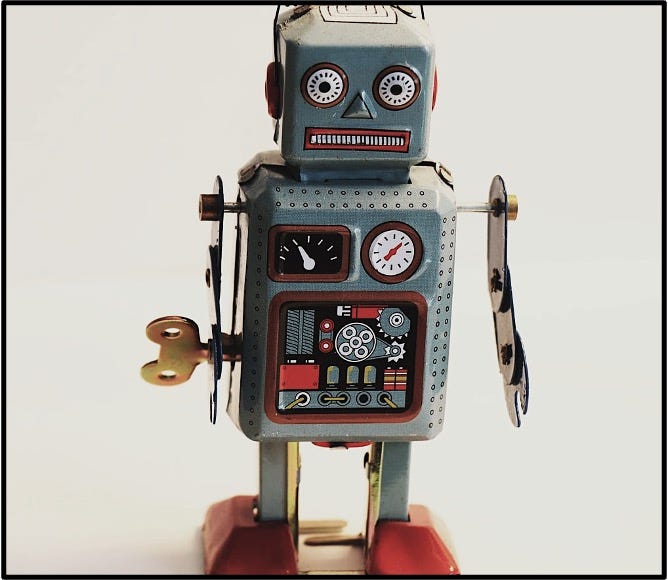
Business is touted as a rational endeavor. The logical application of facts, data, and principles. Rendering optimal solutions for running a firm most efficiently.
Sensible enough. Too bad this is a myth. A capitalist fable. Perpetuated by investors and leaders alike. Told again and again till we all believe it’s true.
Sure, there’s plenty of number crunching. Cost-benefit analysis. Pros and cons. Go, no-go valuations. Which seems objective. Even robotic. Except for one minor detail: the people.
The workplace is driven by human dynamics. Emotions. Feelings. Passions and perspectives. Bias. Speculation. Self-promotion. And self-preservation. Our innate social needs. Shaping conversations. Communications. Actions and behaviors. Up and down the organization.
According to The New York Times, “The highest rise in cortisol levels occurs from threats to one’s social acceptance, esteem or status.”
Worried. Apprehensive. Fretting. About our status at the firm. Resulting in the two most consuming workplace questions:
· What will others think?
· What will others think about me?
Whether outright or in the back of our mind, these concerns influence decisions. Prioritizations. Resource allocation. Input. Feedback. Thumbs up. And thumbs down. Human dynamics. At work. Every day.
As leaders, accounting for this people factor in the regular flow of our organization seems practical. We should be prepared. Well-schooled. Experts. Yet firms provide little, if any, training. Or guidance. Human dynamics are often overlooked. Ignored. Bowled over by our obsession with the numbers. A casualty of the performance-at-all-costs, hustle culture.
Till now. Amid The Great Resignation. With talent fed up. And leaving in droves.
Ushering in the Great Referendum. On Leadership. Finally.
A once-in-a-generation opportunity for us leaders to adapt. Evolve. Grow in new and exciting ways. By pursuing fresh approaches for engaging our team members. And helping one another be our best.
Workplace Split
The workplace is a hodgepodge of unwritten rules. About conducting ourselves. With one another. Internally and externally.
We call this Company Culture. Our firm’s unique and distinctive ‘How To’. Encompassing language sets. Temperament. Attitude. Tone and manner. The means of connecting. Communicating. With everyone expected to master these implicit cues. On our own.
Complying with the unspoken doctrine creates a workplace split. Between our Corporate Self and our Authentic Self. What we say vs. what we really think and feel. The professional façade. Hiding our honest viewpoints. And heartfelt beliefs.
Leaders encounter this regularly. The new employee refusing additional help. The reliable grinder accepting yet another deliverable. The long-time veteran feigning excitement over a risky new project. “No worries.” “I got it.” “All good.”
Nothing could be further from the truth.
This is not deceitful. Or malicious. Just a convoluted dance. Between boss and staffers. Everyone trying to be good corporate citizens. Team players. While sacrificing our family life. Well-being. And integrity.
Human dynamics. At work. Every day.
Reputation Management
“Humans are hyper-social creatures,” notes the Harvard Business Review, “who long to belong.”
That’s us. Yearning for the others’ attention. Acceptance. Signals of approval. To validate our contributions. And affirm our standing in the company.
To connect, we gather informally. At the coffee stand. Grabbing lunch. Social events after work. Activities to reinforce our sense of belonging within the team. Among our peers.
Clearly, bonding with colleagues is more difficult in remote, hybrid environments. The isolation creates anxiety. Insecurity. Leaving us feeling disconnected. Out of the loop. And thus, uncertain about how we’re positioned. With others.
Cementing our status at the firm is never part of our OKRs. Or SMART goals. Yet, it’s always top of mind.
“In most organizations, nearly everyone is doing a second job,” writes Robert Kegan in The Everybody Culture, “Covering their weaknesses, trying to look their best, and managing other people’s impressions of them.”
Reputation management. A fixation. Requiring constant nurturing and cultivation. Capturing so much of our mindshare. Shaping how we operate. While distracting us from other duties.
“We have a place in our brains that’s always worried about what people think of us,” wrote HBS professor Amy Edmundson, “Especially higher ups.”
Always worried. About what others think of us. Human dynamics. At work. Every day.
No Robots, Please
People do the darndest things. Random. Erratic. Nonsensical. Human. And in the world of work, where predictability is king, this wildcard creates problems. Unknown variables. Putting outcomes in jeopardy.
Managing robots would be easier.
Yet, human dynamics are the most powerful force in the workplace. Passions and emotions are potent catalysts. The source of motivation. Inspiration. To overcome market obstacles. Defeat entrenched competitors. Levers for growth. To launch the firm on a higher trajectory.
The people factor holds organizations together. Social bonding. Kinship. Friendships. Lasting connections strengthened by a common cause. Camaraderie. Cohesiveness. The secret sauce for high-performing teams.
And any leader can power up the people factor with a few simple steps:
1. Call it Out:
We’re all human. With innate social needs. And even in the workplace, we’ll act instinctually. Whenever we interact. Regardless of where we sit in the org chart. Or how mature or experienced we may be.
So, let’s call it out. Remind each other. That we’re all human. And that’s okay.
2. Ask Extra Questions:
Everyone says crazy stuff. What we think is right. Will make others happy. Protect our reputation. Even though what we say doesn’t line up with what we think or feel.
Thus, leaders must be skeptics. Don’t take other’s words at face value. Instead, ask more questions. Listen. Inquire. Dig below the surface. Create a safe place for team members to be open. Vulnerable. Say “No.” Ask for help. Or simply talk things through.
3. No Robots, Please:
Everything’s urgent. We get it. In the quest to make our numbers, we need to push one another. Step on some toes. To get results.
But keep in mind, humans respond best to humans. Not robots. Leaders who demonstrate empathy. Compassion. Caring. An honest and sincere interest in what’s best for others. Showing our appreciation. Often. Recognizing hard work. Sacrifice. Accomplishments. Often. Encouraging. Reassuring. Lifting others up. All day. Every day.
Getting the best out of our teams requires a thorough understanding of human dynamics. The social, emotional needs we all have. At work. Driving so much of what we say. And do. Every day.
As leaders, embracing the people factor is a powerful lever. To engage our teams. And drive the business forward.