
No Comment, just Raindrops on Hot Concrete
Discovering Concrete Poetry
All images above, are by the author, Lee Ameka © 2021
No Comment, just Raindrops on Hot Concrete
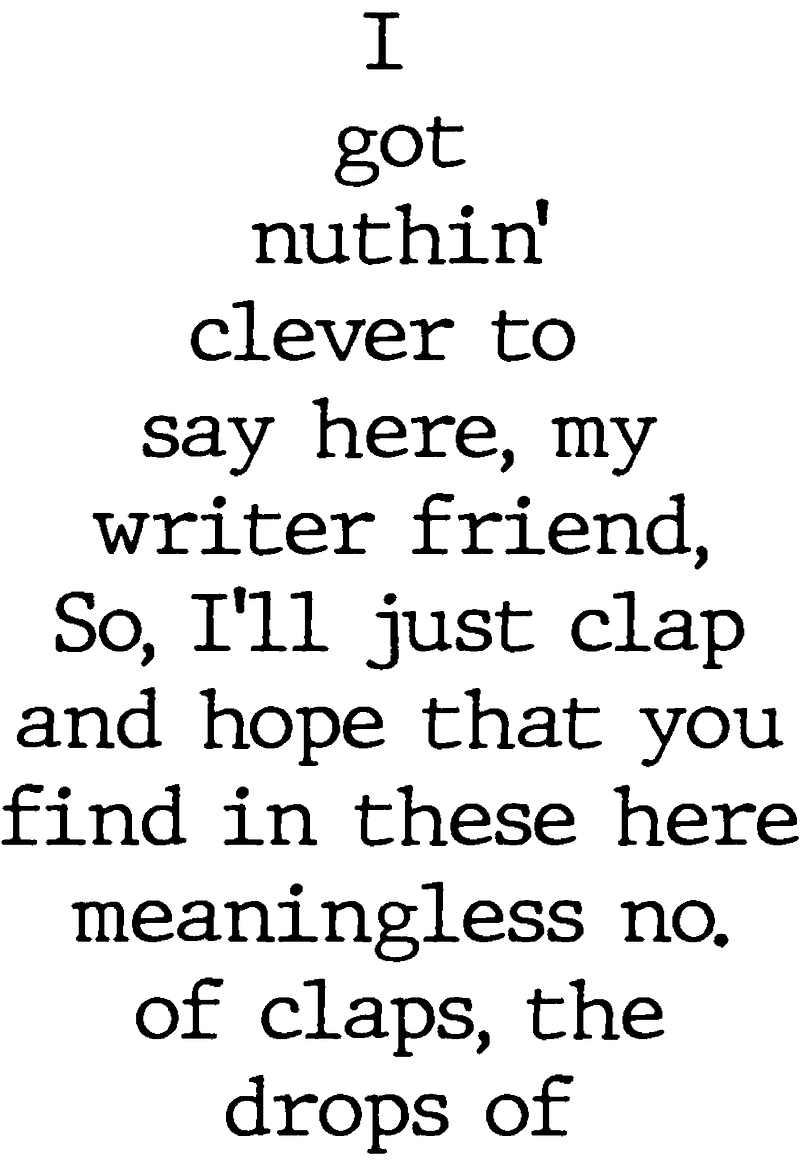
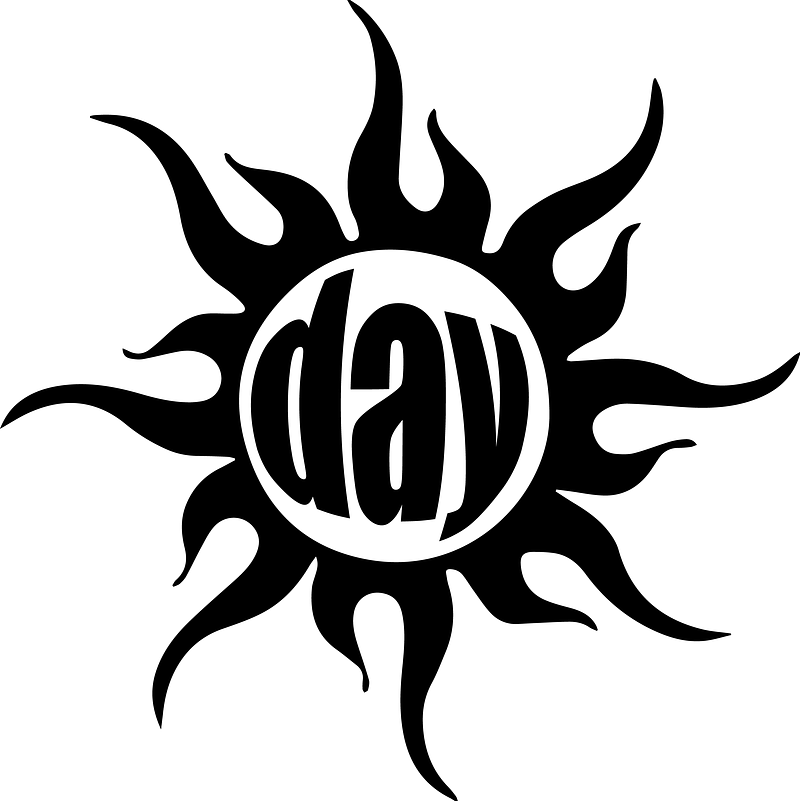
I got nuthin’ clever to say here, my writer friend, So, I’ll just clap and hope that you find in these here meaningless no. of claps, the drops of
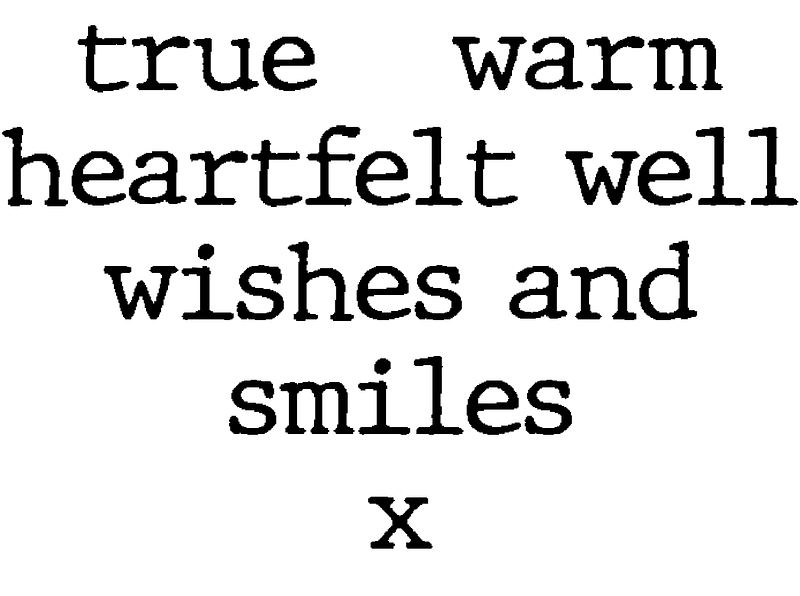
true warm heartfelt well wishes and smiles x
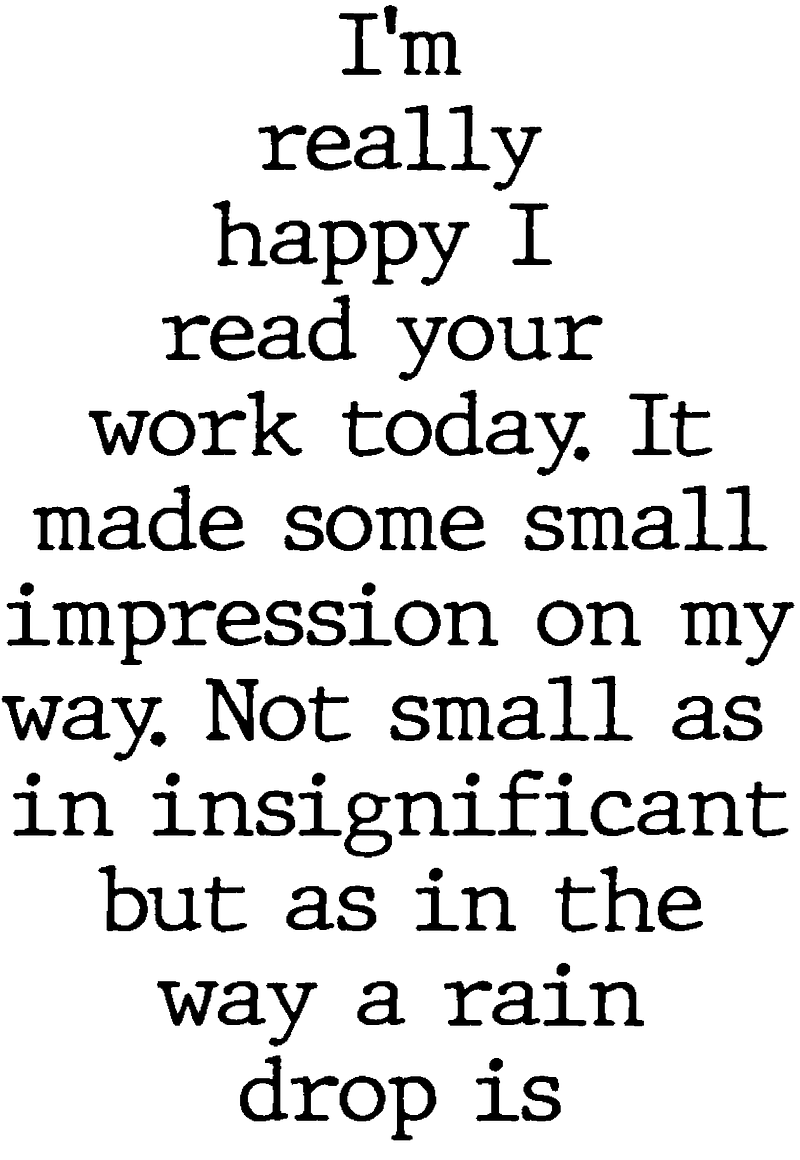
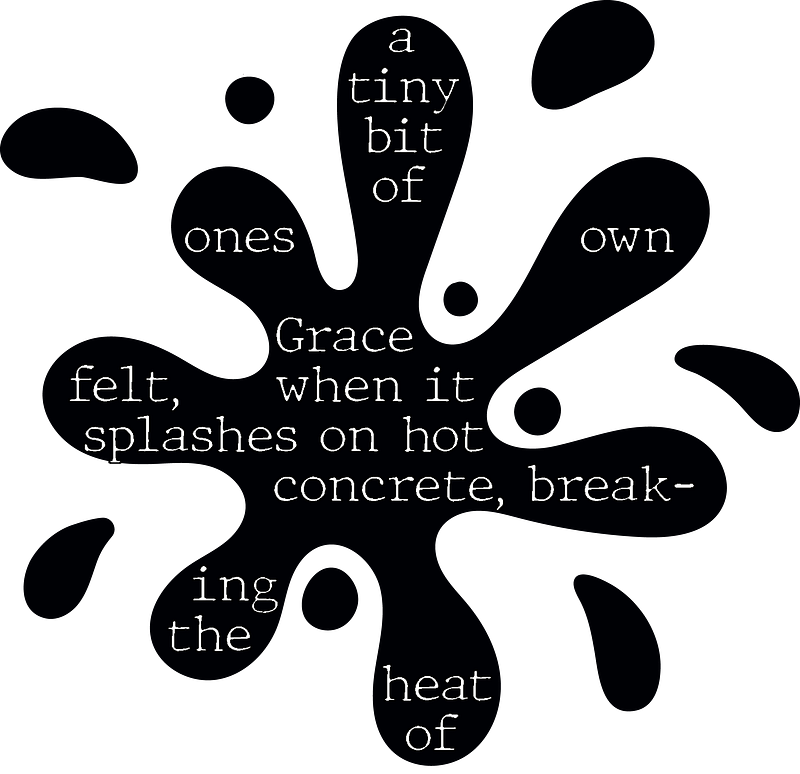
I’m really happy I read your work today. It made some small impression on my way. Not small as in insignificant but as in the way a rain drop is a tiny bit of ones own Grace felt, when it splashes on hot concrete, breaking the heat of
day
About the poem:
For all the Medium stories I read without leaving a comment. I appreciate that they were written 🙏🏾.
What I’ve done with the poem images, is explore ‘Concrete poetry’, which is easier to do by hand or, (as I have done) using illustration software, than with a text editor.
Concrete or Shaped Poetry
I had never heard of it, but when Adelia Ritchie, PhD shaped a fun poem about enjoying wine- in the shape of an actual wine glass;
I just had to know, if there was a name for it. I found ‘shaped poetry’ (surprise, surprise) as it's mostly called, but it’s also referred to as ‘concrete poetry’.
The term ‘concrete poetry’ came from some Brazillian poets of the 1950s who treated language and typography (lettering) in an abstract way. They also happened to exhibit along with the artists of Concrete Art and so the term ‘concrete poetry’ was associated with (if not born) there.
Concrete is Modern, but Writing Poetry in Shapes is as Old as Writing itself
Apparently, concrete poetry is just a modern version of something ancient. ‘Pattern poetry’ as it’s called in some circles, has been identified in early Chinese and Indian texts and in Ancient Greek poetry.
Closer to our times (1844), here's another wine-cup-shaped poem:
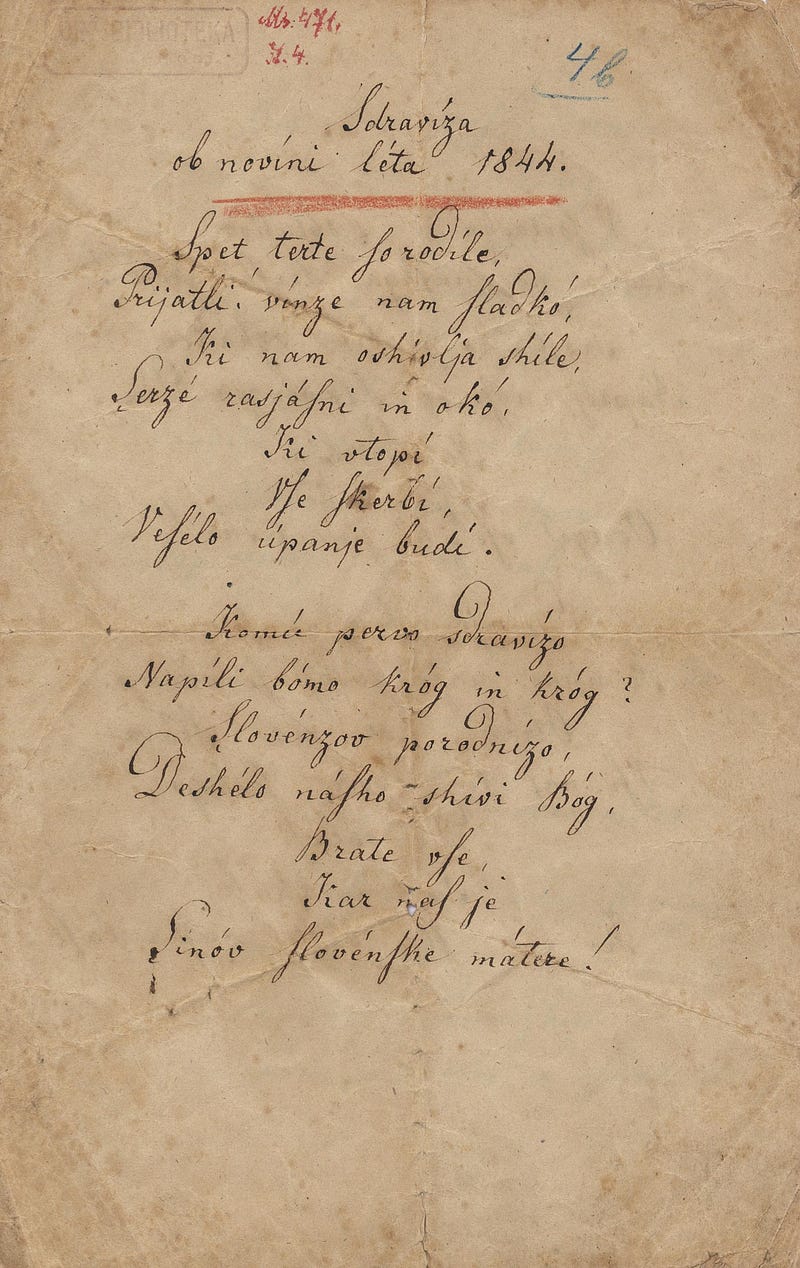
‘Zdravljica’ (translated ‘A Toast) by Slovene poet France Prešeren, was inspired by the ideals of the French revolution (Liberté, égalité, fraternités). Each stanza (in his original manuscript) was shaped like a wine cup in the euphoria of his revolutionary times.
What’s cool about this particular poem (other than its shape) is that it now forms the National Anthem of Slovenia.
It’s Old but not Unfamiliar
Even if you’re unfamiliar with the term, chances are, you’ve probably seen concrete poetry before. You might recognize this:
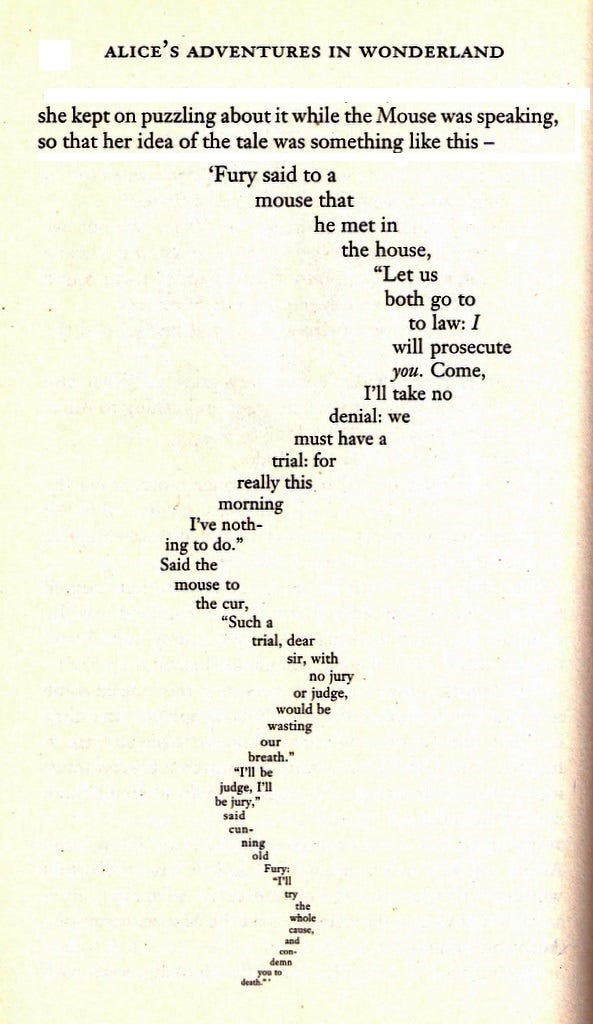
How witty was that? — ‘A mouse’s tale’, in the shape of a mouse tail!
And there’s plenty of examples right here on Medium itself, so it's very likely you’ve come across it. My most recent find is Jessica Lee McMillan’s beautiful poem about decluttering for headspace:
Final Thoughts- Tried it, Got the Pictures.
I enjoyed shaping my thoughts quickly and without being too fussy about the words themselves in my concrete poetry adventures.
What appealed to me about it was the ‘combination of visual and literary impulses’ as Dick Higgins put it, in his seminal book on the subject.
Someone who lives this combination (of visual and literary impulses) in style is Kurt Gasbarro. Kurt does a lot of his beautiful work in the comments section of other people’s work. Discovering his pieces in your comment sections is like finding a Banksy on the side of your building. Thank you, Kurt 🙏🏾: )
I started playing more with typographic shapes by the end of my adventure. (Like the last image in my poem.) This, I can see myself playing with for a bit.
And if you give any kind of shaped poetry a go, do let me know, and I promise to leave a comment!


