
Lessons from a Bike Ride in the Mountains
No Burden too Great
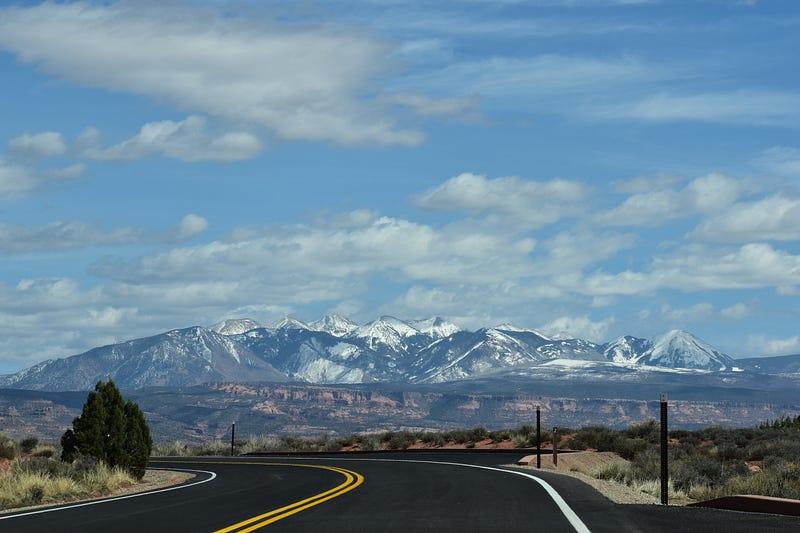
The other day as I was driving into work, the sixties song “He Ain’t Heavy, He’s My Brother” came on the radio. Although a seemingly simple song, the weight of the message was tremendous. No burden caused by someone you care about is too great to carry for them.
A Pleasant Distraction
The song was on a playlist of a MP3 player I would listen to years ago when I used to ride my bike on long extended trips.
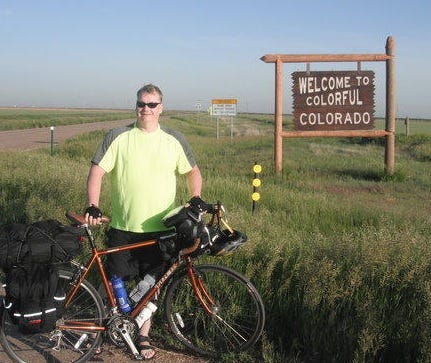
The song took me back to a time when I was making my way across the Colorado plains on my loaded-down Trek 520. With each passing day, the Rockies loomed larger. As I inched closer, the prospect of climbing them on just a bicycle seemed impossible.
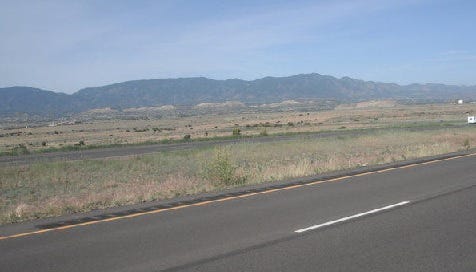
To distract myself, I would turn the music up (one earbud only the other ear listened for traffic that nearly always blew me off the road). Since I had a cheap MP3 player, the number of songs I had were small and I would hear the song about once a day.
A Valuable Message
The song always reminded me of one of Kurt Vonnegut’s novels, Slap Stick. The novel, a somewhat silly satire, has a leader who has solved the country’s problem by renaming the populace.
Everyone had to change their middle name to be a flower followed by a number. You were legally obliged to take care of anyone who shared either a flower or number with you. Suddenly, no one was alone as everyone found themselves members of a rather large extended family. Everyone else you could completely ignore.
Although a farce, the book had some deep interpretations of society, as Vonnegut often did in his outrageous manner. If everyone simply watched out for their own, the burden on society would be deeply lessened.
He Ain’t Heavy, He’s My Brother
Even further, if everyone treated someone like they were family, maybe it would be harder to irrationally hate them or turn your back on their problems.
One voter meme going around suggests that one should vote like the issues were all personal to you and your family. I like this message because, where you might not be the victim of unfounded hatred or discrimination right now, you could be in the future. You just never know.
The political turmoil combined with the economic hardships has taken its toll on all of us. We are tired. We are fed up. And, we are injured.
To the Summit
I felt that way as I rode my bike across Colorado.
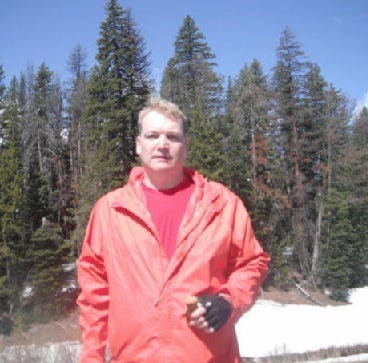
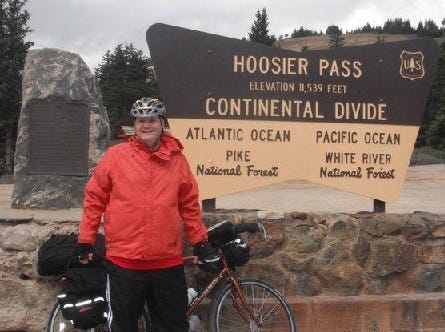
Eventually, I reached the foothills and the riding got tougher. As I started up my first mountain pass, Hoosier Pass, I nearly quit and gave up several times. But, I kept pedaling.
With baby steps at a painfully slow rate, I finally reached the top of what just days before seemed an impossible barrier. From the top of that pass, I gained a new confidence that no matter what obstacle lay in front of me, it would be surmountable.
Getting around it might be slow and might hurt like hell, but eventually someday, it will be in the past and things will look better.
To quote Shakespeare, “Come what come may, time and the hour runs through the roughest day.” Even though things may seem dark to so many right now, there is always hope for a better future just over that hill.
Vote Early and Often
If you want to change the world, vote whenever possible and in every election. If not for change for yourself, vote for better treatment for Tulip 6, or Daffodil 9, or whatever flower and number you may find yourself carrying a burden for.


