avatarPene Hodge

Free AI web copilot to create summaries, insights and extended knowledge, download it at here

2598

Abstract

please our parents, adults, and other authority figures.</p><p id="a071">Women and other minorities have an even harder time saying no. Women are taught to be givers and saying no can make them seem as difficult. Saying yes, makes women seem compliant and more likable.</p><p id="7221">Say what!</p><p id="757a">Minorities may want to disprove stereotypical labels placed on them. For example, they don't want to be seen as lazy so they say “yes” when they really want to say “no”.</p><p id="9c85">When a man says no, this can be viewed in a positive light and seen as assertiveness and an attractive trait.</p><p id="5283">On a female, the opposite is true, perceptions of being difficult, hard to get along with, or being a b***h.</p><figure id="9704"><img src="https://cdn-images-1.readmedium.com/v2/resize:fit:800/0*DBP9ALwb_1kFjwq7"><figcaption>Photo by <a href="https://unsplash.com/@eliashampp?utm_source=medium&amp;utm_medium=referral">Elias Hampp</a> on <a href="https://unsplash.com?utm_source=medium&amp;utm_medium=referral">Unsplash</a></figcaption></figure><h1 id="8b29">Consequences of saying no</h1><p id="4c11">The inability to say no can have dire consequences, such as: —</p><p id="981d"><b></b> Being spread too thin and unable to do your best work.</p><p id="260e"><b></b> Being left out of the group.</p><p id="ba80"><b></b> Being seen as weak and indecisive may actually harm your career.</p><p id="7a00">While it may seem easier to just go with the flow, it will backfire in time. Those around you will create a likeness of who they think you are rather than who you know yourself to be and you will be treated as such.</p><p id="c0e9">Once their perception of you is “set” you will create discord when you decide to say “no”.</p><p id="aa20">If you are an empath, kindness is something that takes center stage in your lives.</p><p id="376f">Empathy can result in you always being the “giver”.</p><p id="faa1">And while being a “giver” is great, you will soon be exhausted from giving so much you are left empty.</p><p id="e246">To the taker, your kindness translates into a perpetual “yes”.</p><p id="df4e"><b>Acts of indecision like <i>em, er, I don’t know, I’m not sure, Let me check</i>, can be heard as “yes”.</b></p><p id="f5d1">Use direct ways of saying “<b>no</b>” so it is understood that you meant “<b>no</b>”.</p><figure id="3c34"><img src="https://cdn-images-1.readmedium.com/v2/resize:fit:800/0*SL1SkPiL_h0ZSGtv"><figcaption>Photo by <a href="https://unsplash.com/@jarretto18?utm_source=medium&amp;utm_medium=referral">Alena Jarrett</a> on <a href="https://un

Options

splash.com?utm_source=medium&utm_medium=referral">Unsplash</a></figcaption></figure><h2 id="1b98">Here are a few ways to say no and mean it: —</h2><ol><li>No, I’m unavailable that day.</li><li>No, I’m too busy.</li><li>No, I don’t want to.</li><li>No, I can’t.</li><li>No, I won’t.</li><li>No, I have other commitments.</li><li>No, I don’t like that.</li><li>No, thank you.</li><li>No!</li></ol><figure id="f9ca"><img src="https://cdn-images-1.readmedium.com/v2/resize:fit:800/0*uAAj7aMABc0iUua5"><figcaption>Photo by <a href="https://unsplash.com/@andytoots?utm_source=medium&amp;utm_medium=referral">Andy T</a> on <a href="https://unsplash.com?utm_source=medium&amp;utm_medium=referral">Unsplash</a></figcaption></figure><h1 id="1f65">Finally</h1><p id="b161">Without a doubt saying no is not a pleasant feeling for most of us. We innately want to help each other and to be part of our communities.</p><p id="b5e9">When we say no, we see the body language of disappointment or disapproval. Or see the crest-fallen looks and instantly feel contrite.</p><p id="fc1c">Be strong, stand your ground, and hold fast to your decision.</p><p id="6a71">Set your priorities and in the interest of self-care, learn when to say no.</p><p id="0239">To take back your personal choice, and abide by your decision.</p><p id="b408">If the request is one you do not wish to partake in, then say “no” and mean it.</p><p id="4a78">Do not make excuses.</p><p id="7881">Be gentle but firm in your decision.</p><p id="ca87">Finally, just say no!</p><p id="99c1"><b><i>Thank you all for reading and for your support.</i></b></p><p id="2db3"><a href="https://medium.com/@justpene50"><i>Pene Hodge</i></a><i> is a mom, a nurse, a writer. <b>She writes because she must</b>. She loves people and is committed to sharing and gleaning knowledge for the betterment of all.</i></p><p id="b531"><b><i>You may join me by clicking the link below.</i></b></p><div id="6e89" class="link-block"> <a href="https://justpene50.medium.com/membership"> <div> <div> <h2>Join Medium with my referral link - Pene Hodge</h2> <div><h3>As a Medium member, a portion of your membership fee goes to writers you read, and you get full access to every story…</h3></div> <div><p>justpene50.medium.com</p></div> </div> <div> <div style="background-image: url(https://miro.readmedium.com/v2/resize:fit:320/0*9Bo7eQVjiKjlnEVS)"></div> </div> </div> </a> </div></article></body>

No!

How to say “no” and mean it
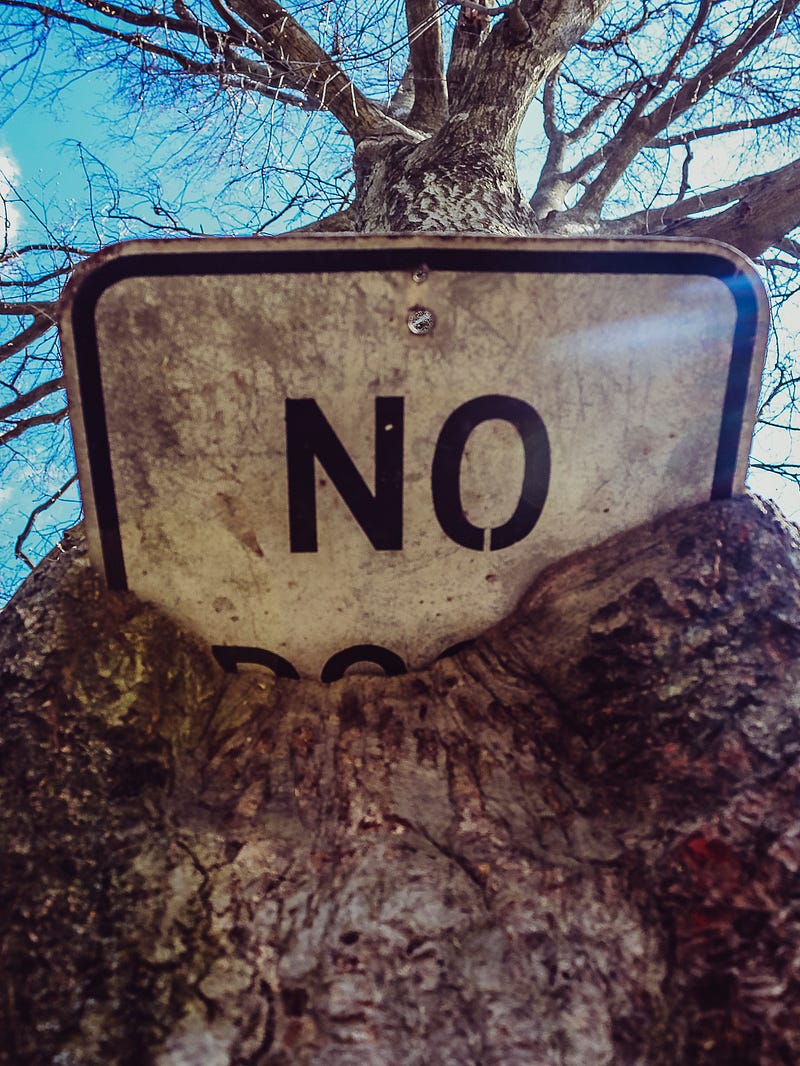
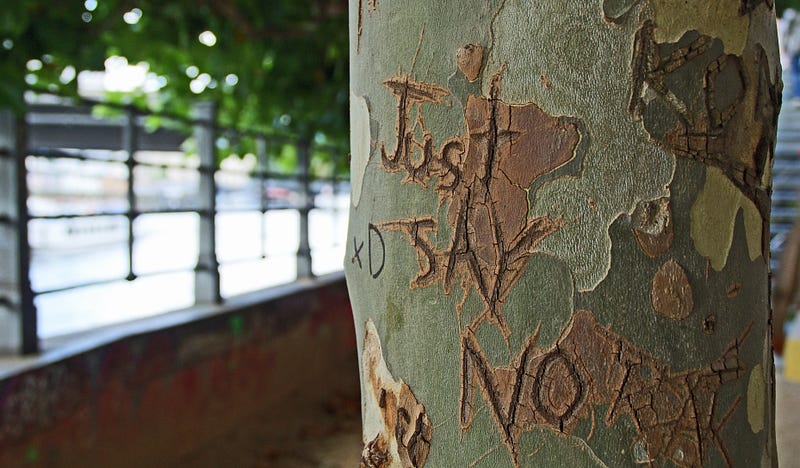
Photo by Jakayla Toney on Unsplash

Why it is so hard to say no

Most of us cringe inwardly at the thought of saying no.

I know I do.

When requests are made of me that I want no part of, I still say yes.

At best I do not say “no”, (you know the point when you did not answer yes or no, you’re trying to come up with an excuse, but it's perceived as yes).

When my boss asks for my help with employee health, though I hate dealing with employee health, and her messy filing system, I don't say no.

Why is it so difficult for us to say no?

Two simple letters, one syllable, that should be easy to say.

Right!

Yet, most of us find it very difficult to say “NO”!

Warren Buffett: “We need to learn the slow ‘yes’ and the quick ‘no.’”
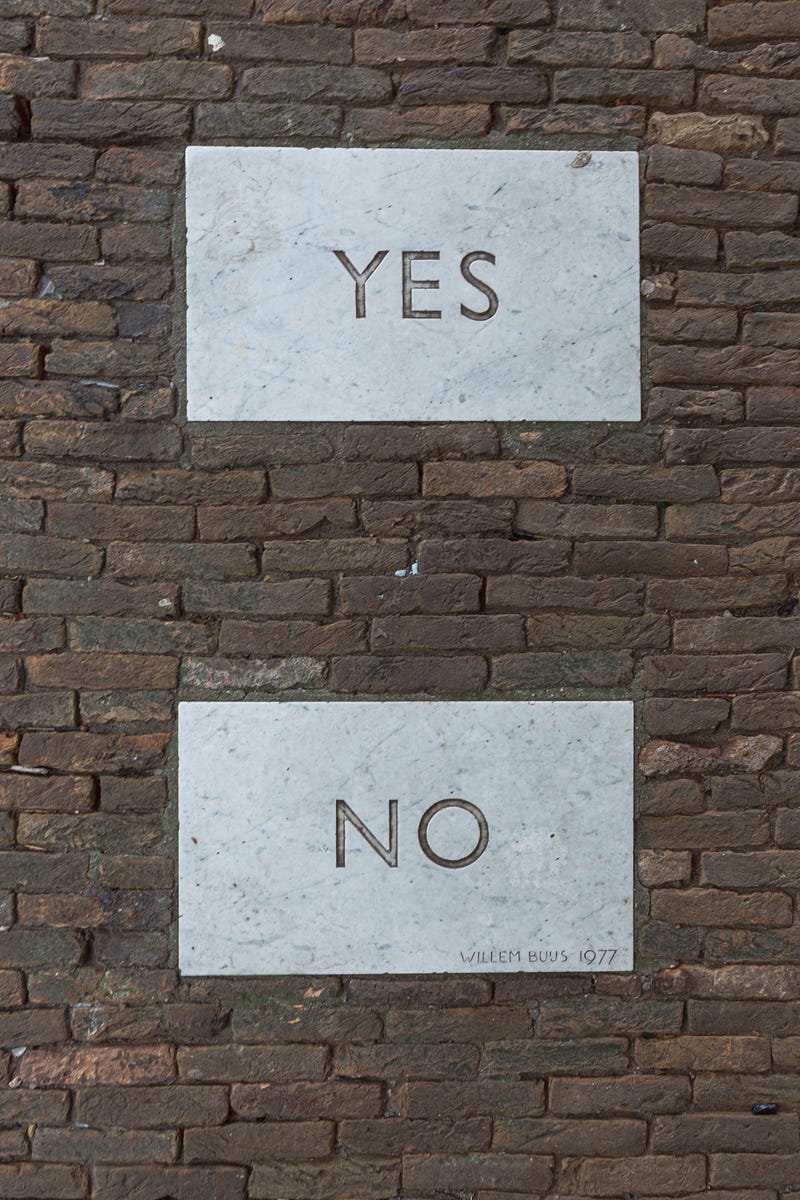
Photo by Florian Schmetz on Unsplash

Why do we say yes when we really want to say no

According to Psychology Today, we refrain from saying no for the following reasons: -

Fear of conflict — The fear also stems from the desire to avoid conflicts and confrontations. We worry about disappointing others or hurting their feelings

Desire to be liked — We want to please everyone and are hard-wired to be included, to fit in, to be liked.

Societal pressures — Culturally, it is more acceptable to say “yes”. It is assumed that saying yes will help us get ahead. We want to be part of the team.

The American Psychological Association says we are conditioned from childhood to say yes. Conditioned to please our parents, adults, and other authority figures.

Women and other minorities have an even harder time saying no. Women are taught to be givers and saying no can make them seem as difficult. Saying yes, makes women seem compliant and more likable.

Say what!

Minorities may want to disprove stereotypical labels placed on them. For example, they don't want to be seen as lazy so they say “yes” when they really want to say “no”.

When a man says no, this can be viewed in a positive light and seen as assertiveness and an attractive trait.

On a female, the opposite is true, perceptions of being difficult, hard to get along with, or being a b***h.

Photo by Elias Hampp on Unsplash

Consequences of saying no

The inability to say no can have dire consequences, such as: —

Being spread too thin and unable to do your best work.

Being left out of the group.

Being seen as weak and indecisive may actually harm your career.

While it may seem easier to just go with the flow, it will backfire in time. Those around you will create a likeness of who they think you are rather than who you know yourself to be and you will be treated as such.

Once their perception of you is “set” you will create discord when you decide to say “no”.

If you are an empath, kindness is something that takes center stage in your lives.

Empathy can result in you always being the “giver”.

And while being a “giver” is great, you will soon be exhausted from giving so much you are left empty.

To the taker, your kindness translates into a perpetual “yes”.

Acts of indecision like em, er, I don’t know, I’m not sure, Let me check, can be heard as “yes”.

Use direct ways of saying “no” so it is understood that you meant “no”.
Photo by Alena Jarrett on Unsplash

Here are a few ways to say no and mean it: —

  1. No, I’m unavailable that day.
  2. No, I’m too busy.
  3. No, I don’t want to.
  4. No, I can’t.
  5. No, I won’t.
  6. No, I have other commitments.
  7. No, I don’t like that.
  8. No, thank you.
  9. No!
Photo by Andy T on Unsplash

Finally

Without a doubt saying no is not a pleasant feeling for most of us. We innately want to help each other and to be part of our communities.

When we say no, we see the body language of disappointment or disapproval. Or see the crest-fallen looks and instantly feel contrite.

Be strong, stand your ground, and hold fast to your decision.

Set your priorities and in the interest of self-care, learn when to say no.

To take back your personal choice, and abide by your decision.

If the request is one you do not wish to partake in, then say “no” and mean it.

Do not make excuses.

Be gentle but firm in your decision.

Finally, just say no!

Thank you all for reading and for your support.

Pene Hodge is a mom, a nurse, a writer. She writes because she must. She loves people and is committed to sharing and gleaning knowledge for the betterment of all.

You may join me by clicking the link below.

Mental Health
Mindfulness
This Happened To Me
Society
Life Lessons
Recommended from ReadMedium