
Nintendo Has Found A New Way to Make Money
Nintendo changed the game… again
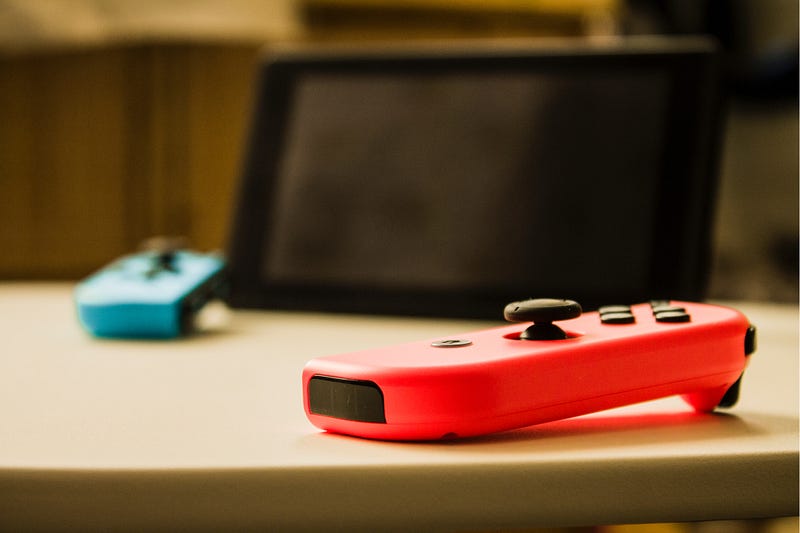
Nintendo has had a long history of both great and terrible ideas, a clear example of this being the Wii versus the Wii U.
The Nintendo Wii was a groundbreaking smash, whereas the Wii U sold roughly the same amount of units in five years as the newer Nintendo Switch sold in one year. But where Nintendo shines is when it comes to turning quality and consistency into never-ending cash.
Building a Franchise
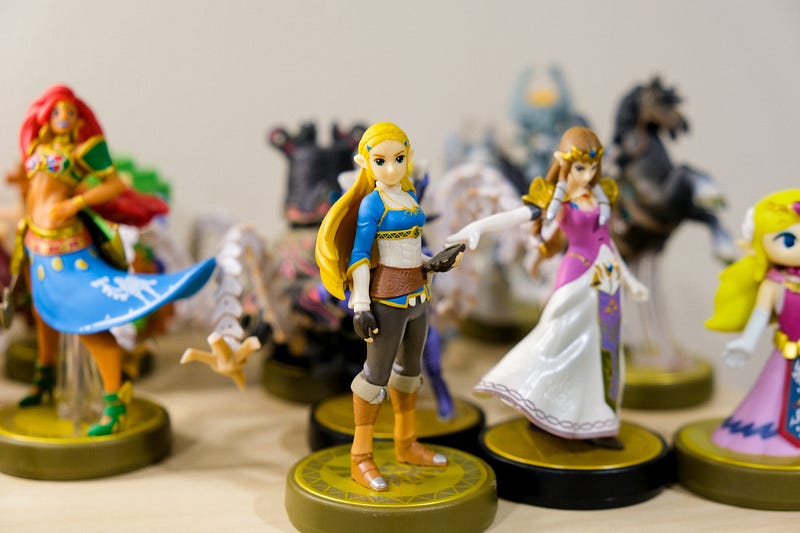
Since 1985, Nintendo has been working hard to release regular entries in the Super Mario franchise. They’ve ensured that each entry is as polished and well-made as the next. Doing this for long enough has built up a fanbase that’s dedicated and trusts Nintendo to deliver on the high prices they charge for games.
Whether it’s Super Mario, The Legend of Zelda, Animal Crossing, or Metroid, a Nintendo franchise is made with care and develops a dedicated fanbase.
The traditional way for a console-based home entertainment company to make money is by continually making and licensing games. Nintendo makes new additions to beloved franchises, and gives other companies the avenue to make and add their own games (while paying Nintendo for the privilege). For some franchises, this can mean the addition of a new game every year, such as with Call of Duty and FIFA.
With games like these, they’re often subject to a lot of criticism regarding how much each edition actually brings to the table. Paying the cost of another entire game is a steep ask if the differences are minor, and if it runs on the same engine.
Despite the criticism, this has been the way of games forever… until now.
Make It Bigger
Gaming companies have been toying with ways to generate more income from high earning franchises for a long time. The oldest method is expansion packs.
Most often associated with The Sims franchise, an expansion pack is a cheaper content download that you can choose to add to an existing game.
Depending on the game, this can include new locations, items, quests, or characters. Some games will release one or two expansions, while games (such as The Sims) are infamous for releasing dozens for a single title.
According to a member of the Steam Community who did the math, if you were to buy literally everything that can be purchased for the Sims 3, you’d have to spend over $74,000. Agh EA.
However, although there’s a lot of money to be made in expansions, the strategy only works for very few games. A player has to love a game to a feverish extent before they’re willing to drop that amount of cash.
Another attempt at monetization was micro-transactions, a system that has been widely accepted in mobile games for years.
But when EA (of course) added micro-transactions and loot-boxes to a full-priced AAA game (Starwars Battlefront), it drew unprecedented backlash. It even started conversations that led to legislation being drawn in countries all over the world. Countries didn’t appreciate the gambling aspect of sinking money into games, only to be given a surprise box that may or may not provide you what you were looking for. It wasn’t a good look.
So while everybody else scrambled for the golden goose, Nintendo kept their new strategy hidden away until this year.
The Unfold System
The new system is an evolution of the expansion system, but is broader and is being marketed better.
So far it’s been rolled out with Smash Bros: Ultimate, Pokemon Sword and Shield and (according to rumors) will be applied to Animal Crossing: New Horizons.
The Unfold System takes away the need for the developer to make and release new games in a franchise, a system that’s as risky as it is expensive.
Instead, one game can be unfolded with new lands and adventures that make it bigger and make the player feel as though the game is naturally evolving. Nintendo’s hope is that you don’t feel the pain of spending your money, because of how attached you are to the game that you’re paying to unfold.
How this system differs to expansion packs is its scope. An expansion usually has a focus, and the focus will be in the title, such as ‘The Sims 4: Seasons.’ With this expansion, you know that seasons will now be added to the game.
An unfolding game is different because entire parts of the game are locked and hidden at release. These parts become illuminated later in time, and money is the key that lets you in.
In some ways this is the same as releasing a new game in the series, if the next game was going to be built on the same engine anyway. It’s the same base with new features added. So now they’ll just keep the existing base, and charge you for the new features. Simpler for them, with higher chances of profitibility.
Releasing a new game in a series is always a big decision for a studio to make. Players often become immensely attached to specific iterations in a series, so expectations of new releases are high. Follow-up games can be slammed by critics if they don’t measure up, or ignored if the previous game wasn’t enough of a hit. Another risk is that players are still satisfied with the previous game and don’t feel like spending what it would cost to update it.
Instead, with the new system, Nintendo puts all of their time and resources into building one juggernaut game for the newest system. A game so impressive, there’s seemingly no need to ever release a follow-up.
So they don’t; they keep expanding it until a new console forces them to release another version, and the cycle begins again.
The perfect example is Smash Bros: Ultimate. Even the name suggests that it’s far beyond any of the previous titles, and it is. It’s the first game in the series to have included every single character ever featured in the earlier titles.
Usually, they’d leave a game like this alone, the chatter would die down, and eventually, a sequel would be released. But not this time.
Now Smash Bros has “seasons,” and players need to buy a “season pass” to take part.

Seasons?
The first season bought you access to 5 new characters (and new items and stages) that were announced and released slowly over 2019. At $24.99, it wasn’t cheap, so Nintendo sold them on the experience.
By buying into the season, you were taking part in history. You’d be there when Nintendo announced these amazing new characters; you’d feel the excitement as they were added into your game.
Your game would unfold and become bigger to accommodate this new hero. It made the game feel new, and the feeling came five times over the year, each more exciting than the last.
Season 2 has now been announced, this time with six characters and a price tag of $29.99. If you buy both titles, you will have paid Nintendo the original price of the game again for the privilege of adding 11 new characters.
Pokemon has done the same thing by adding new lands and adventures in a 2 part expansion that will slowly release over this year. The expansion keeps players playing and paying, and ensures the conversation stays on Nintendo all year long.
The expansion also adds elements the players were originally expecting from the base game, including more of the original-Pokedex pokemon.
It feels as though Nintendo intentionally held back something they had previously promised. And if they did, they did it with the intention of eventually adding it over multiple expansions. A move that would put Nintendo dangerously close to EA territory.

Animal Crossing is Next
With a release date of March 20th, Animal Crossing is the next high powered Nintendo franchise to be released into the new system. With rumors already swirling of upcoming expansions, who knows where Nintendo will push this system.
But we can expect that the future looks like this — a lot fewer games that take a lot more time and money to complete. If you want a full game, it’s going to cost hundreds of dollars and be released slowly over multiple years. A system created because a single game takes too long to make and is too risky to rely on.
Who I feel sorry for are the Mums of the future who’ll have even less of an idea of what to buy their impossible to please kids for the holidays and birthdays in coming years.
“I didn’t want Pokemon X expansion 4.6! I wanted Pokemon Z: Dark Storm expansion 3.458!
Oh brother…


