Here Is How You Develop A Holistic Perspective of Organizations and Leadership
Nine Mind-sets and Why They Matter

The world of a leader is complicated, complex, confusing, and chaotic. Making sense of it requires the ability to synthesize perspectives from different mindsets into a comprehensible whole.
I introduce a new holistic framework for organizing, integrating, and systematizing our managerial knowledge about organizations, leadership, and business: Nine Mindsets.
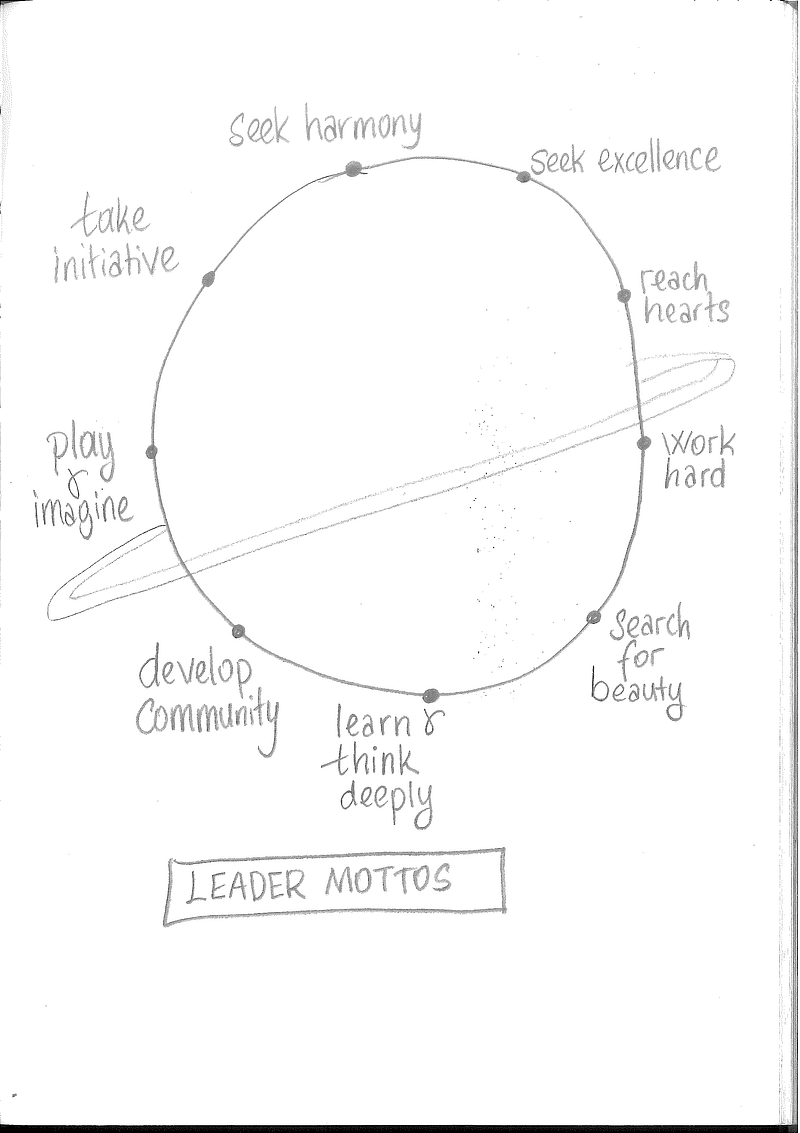
Each mindset sees management from its own angle in its own subjectivity. But together, they address the practice of management in a holistic, multidimensional, and objective manner.
Each mindset is a different paradigm of thinking, acting, and feeling for managers. I have used this integral framework in my teaching and training programs and it proved particularly useful for mapping managerial knowledge holistically.
1) Quality and Process Mindset (Sensazione)
· Diligent Leadership
· Focus on process, control, order, structure, planning
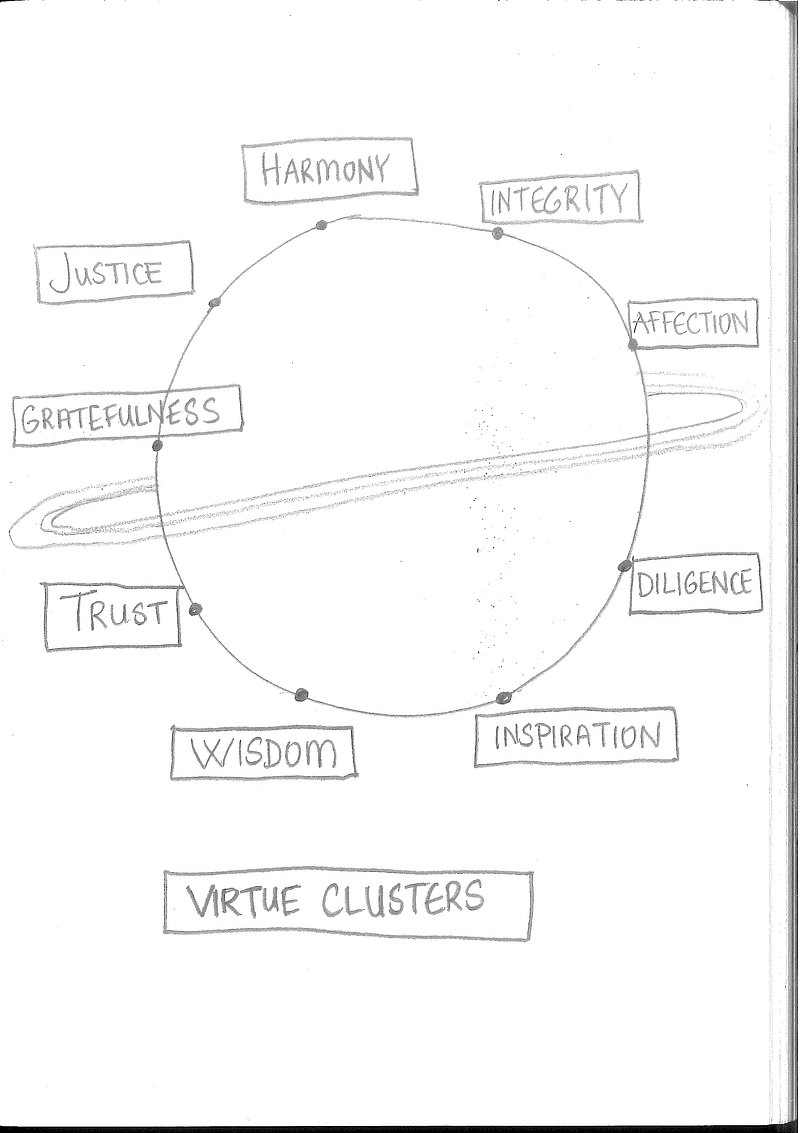
· Values: Efficiency, consistency, stability, discipline, precision
· Classical, mechanical, rational, procedural approach to organization
· Tool: Kaizen
· Best for: Production, operations, auditing
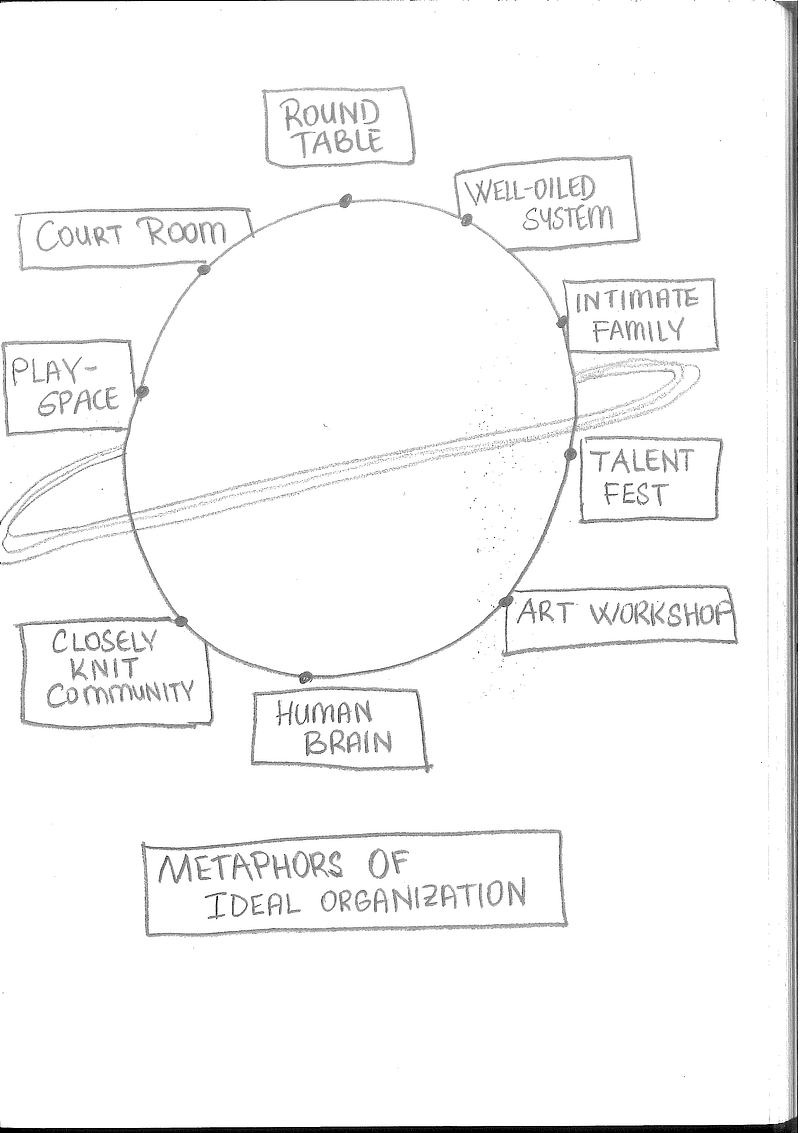
· Metaphors: Machine, automated factory
2) People and Service Mindset (Connessione)
· Servant Leadership
· Focus on people, relationships, teams, networking, communication, customers
· Values: Empathy, satisfaction, commitment, fulfillment
· Social, psychological, informal, humanistic approach to organization
· Tool: Emotional Intelligence
· Best for: Human resources, sales, customer relations
· Metaphors: Family, shelter
3) Goals and Productivity Mindset (Progressione)
· Effective Leadership
· Focus on objectives, numbers, success, achievement, survival, productivity
· Values: Adaptability, growth, progress, energy, effectiveness, persistence, ambition
· Systemic, organic, environmental, goal-based approach to organization
· Tool: Management by Objectives
· Best for: Marketing, sales
· Metaphors: Organism, contest
4) Creativity and Reflection Mindset (Arte)
· Artistic Leadership
· Focus on culture, identity, meaning, aesthetics, design, reflection
· Values: Inspiration, creativity, authenticity, depth, distinctiveness
· Cultural, symbolic, interpretive, anthropological approach to organization
· Tool: DaVinci Leadership Code
· Best for: Product design, brand management, organizational culture
· Metaphor: Art workshop
5) Knowledge and Learning Mindset (Curiosita)
· Expert Leadership
· Focus on information, knowledge, technology, science, cognition, observation
· Values: Insight, wisdom, expertise, comprehension, learning
· Cognitive, intellectual, mental, analytical approach to organization
· Tool: Learning organization
· Best for: Information systems, IT, knowledge management
· Metaphors: Brain, ivory tower
6) Risk and Competition Mindset (Precauzione)
· Political Leadership
· Focus on risks, threats, power, competitors, interest, conflict, ideology
· Values: Caution, trust, questioning, loyalty, reliability, specialization
· Political, ideological, critical, analytical approach to organizations
· Tool: SWOT Analysis
· Best for: Crisis and risk management, accounting
· Metaphor: Cult, party, sect
7) Innovation and Complexity Mindset (Sfumato)
· Visionary Leadership
· Focus on invention, innovation, vision, flux, chaos, emergence, network
· Values: Flexibility, novelty, dynamism, exploration, imagination, innovation
· Dynamic, chaotic, visionary, futuristic approach to organizations
· Tool: Appreciative inquiry
· Best for: Research and Development, change management
· Metaphor: Flow, playground
8) Action and Results Mindset (Dimostrazione)
· Charismatic Leadership
· Focus on profits, results, change, implementation, action, transformation
· Values: Entrepreneurship, initiative, action, confidence, will, risk-taking
· Strategic, economic, entrepreneurial, practice based approach to organizations
· Tool: Empowerment
· Best for: Strategy, Finance
· Metaphor: Skyrocket, speed boat
9) Dialog and Balance Mindset (Corporalita)
· Participative Leadership
· Focus on stakeholders, negotiation, interdependence, societal wellbeing, big picture
· Values: Dialog, harmony, balance, legitimacy, consensus, tolerance, peace
· Societal, institutional, collective approach to organizations
· Tool: Socratic method
· Best for: Public Relations, corporate social responsibility
· Metaphor: Orchestra, round table

Overview of Nine Mindsets for Organizations
Mindset 1 (Classical School) integrates classical, mechanical, rational, and procedural approaches to organizations. Central elements are structure, efficiency, hierarchy, and control. Key values include order, consistency, precision, rationality, and perfection.
Mindset 2 (Human Relations School) integrates social, psychological, informal, and humanistic approaches to organizations. Central elements are people, relationships, motivation, and communication. Key values include satisfaction, commitment, affection, and cooperation.
Mindset 3 (Open Systems School) integrates environmental, systemic, organic, ecological, and evolutionary approaches to organizations. Central elements are system, environment, resources, technology, and design. Key values include adaptability, survival, fit, and competitiveness.
Mindset 4 (Symbolic Interpretive School) integrates cultural, interpretive, anthropological, and symbolic interactionist approaches to organizations. Central elements are culture, symbols, meanings, and identity. Key values include depth, authenticity, sharing, and distinctiveness.
Mindset 5 (Learning and Cognitive School) integrates cognitive, intellectual, mental, analytical, and learning approaches to organizations. Central elements are knowledge, cognition, learning, information, and decision making. Key values include specialization, comprehension, analysis, and learning.
Mindset 6 (Power and Politics School) integrates political, societal, ideological, and critical approaches to organizations. Central elements are power, interests, conflict, dependence, and negotiation. Key values include security, trust, loyalty, and caution.
Mindset 7 (Change and Complexity School) integrates chaotic, dynamic, transformational, visionary, and futuristic approaches to organizations. Central elements are change, flux, chaos, and innovation. Key values include vision, dynamism, flexibility, and creativity.
Mindset 8 (Strategic and Managerial Approaches) integrates economic, managerial, strategic, entrepreneurial, and practice-oriented approaches to organizations. Central elements are strategy, managerial action, implementation, and results. Key values include economic feasibility, entrepreneurship, initiative, and leadership.
Mindset 9 (Institutional School) integrates institutional, societal, collective, sociological, and natural systems approaches to organizations. Central elements are legitimacy, stakeholders, consensus, and interdependence.