avatarNikki Kay

Free AI web copilot to create summaries, insights and extended knowledge, download it at here

7768

Abstract

ure of society to be thin. Now I realize there are so many more dimensions to disordered eating than I’d ever considered. Acknowledging this allowed me to finally ask for the help that I needed.</p><p id="d80c">Column #6: <a href="https://readmedium.com/im-nervous-about-losing-weight-b05fba257167?source=friends_link&amp;sk=5b570f357afbd5b8b9d95f5341e57903">The Emotional Battle of Eating Disorder Recovery</a></p><figure id="d61a"><img src="https://cdn-images-1.readmedium.com/v2/resize:fit:800/1*En-YL_WJ17_QkyRt9NrCWg.png"><figcaption>Photo by <a href="https://unsplash.com/@jenandjoon?utm_source=medium&amp;utm_medium=referral">Jennifer Burk</a> on <a href="https://unsplash.com/?utm_source=medium&amp;utm_medium=referral">Unsplash</a></figcaption></figure><p id="e053"><i>“I can’t do it. It’s not worth it. I’m a failure.</i></p><p id="ebe2">“It became my self-destructive mantra and, time after time, it managed to roll back every advance I’d made.”</p><p id="9c89">After decades of beating myself up over my seeming inability to control my behavior around food, I finally sought help and began making progress.</p><p id="10e1">I could never have anticipated the dread that would accompany my joy. It turns out that I still have some work to do in dismantling the unrealistic expectations that I have for myself.</p><p id="4728">Column #7: <a href="https://readmedium.com/this-is-what-its-like-to-be-pregnant-during-eating-disorder-recovery-64527190c34b?source=friends_link&amp;sk=73477a7fa9ad0977d8518643d836438c">This is What It’s Like to be Pregnant During Eating Disorder Recovery</a></p><figure id="a7ac"><img src="https://cdn-images-1.readmedium.com/v2/resize:fit:800/1*_cvUf4hVMCV6zJADOTjcug.png"><figcaption>Photo by <a href="https://unsplash.com/@iamsherise?utm_source=medium&amp;utm_medium=referral">Sherise .</a> on <a href="https://unsplash.com?utm_source=medium&amp;utm_medium=referral">Unsplash</a></figcaption></figure><p id="0e7f">“Back and forth, from one extreme to the other, I would swing. I was proud of myself for my physical strength, yet ashamed of my lack of mental fortitude.”</p><p id="5b98">Just when I thought I had my relationship with food under control, pregnancy threw a wrench in my entire system. I’m learning, though, that healing doesn’t have an end point.</p><p id="8144">Column #8: <a href="https://readmedium.com/your-mental-health-will-affect-your-children-cedf1dcb2dd7?source=friends_link&amp;sk=b7d2724295d8ea54d37a5e9c8278b607">Your Mental Health Will Affect Your Children</a></p><figure id="91a1"><img src="https://cdn-images-1.readmedium.com/v2/resize:fit:800/1*vqH8nWp175QEWKZSt5HwXg.png"><figcaption>Photo by <a href="https://unsplash.com/@bruno_nascimento?utm_source=medium&amp;utm_medium=referral">Bruno Nascimento</a> on <a href="https://unsplash.com?utm_source=medium&amp;utm_medium=referral">Unsplash</a></figcaption></figure><p id="ecd1">“Since no one ever mentioned the depression, anxiety, and personality issues that existed among our little triad, we could pretend they never existed at all.”</p><p id="d86b">We all like to believe we do a good job of shielding our children from our dysfunction. However, living in denial doesn’t fool anyone. Instead, I try my best to face my issues head on and help my children navigate their own, too.</p><p id="ba9f">Column #9: <a href="https://readmedium.com/the-girl-you-called-slut-was-actually-an-abuse-survivor-82288b15f5b0?source=friends_link&amp;sk=43dbfe4a244a9c651366d953613cd2d7">I Was Labeled A Slut in School. This is What Was Really Going On.</a></p><figure id="8057"><img src="https://cdn-images-1.readmedium.com/v2/resize:fit:800/1*ch2qymBVawIURHQdUHU-mA.png"><figcaption>Photo by <a href="https://unsplash.com/@andrewtneel?utm_source=medium&amp;utm_medium=referral">Andrew Neel</a> on <a href="https://unsplash.com?utm_source=medium&amp;utm_medium=referral">Unsplash</a></figcaption></figure><p id="3f06">“From the outside it looked simple. To the kids my age, and probably to a lot of their parents, I simply chose to give myself away more than was socially acceptable. To the teachers, I was a big brain who made some very bad choices.</p><p id="fc15">On the inside, though, it was much more complicated.”</p><p id="3112">A chronicle of how I became a “slut,” why that label was so harmful, and what I wish people had done instead of slapping it on and then turning their backs.</p><p id="6f6f">Column #10: <a href="https://readmedium.com/being-raised-by-alcoholics-forged-my-identity-10e77e715b8d?source=friends_link&amp;sk=1b8b2d307bb73650e98ca62225f5e5ff">Being Raised by Alcoholics Forged My Identity</a></p><figure id="1e72"><img src="https://cdn-images-1.readmedium.com/v2/resize:fit:800/1*6amVCVzuQx0VF3IOw8p2MA.png"><figcaption>Photo by <a href="https://unsplash.com/@anshu18?utm_source=medium&amp;utm_medium=referral">Anshu A</a> on <a href="https://unsplash.com?utm_source=medium&amp;utm_medium=referral">Unsplash</a></figcaption></figure><p id="a412">“…now that I’ve untangled a lot of the web of emotions that formed my warped self-concept, I find it both validating and instructive to reflect on my identity as an Adult Child.”</p><p id="b8b7">A label isn’t everything, but it can serve as a jumping off point to understanding behavior. Here, I reflect on my identity as an Adult Child of Alcoholics, and invite others to look for themselves in my story.</p><p id="e5fd">Column #11: <a href="https://readmedium.com/does-my-trauma-make-me-a-better-parent-98c5b939e16f?source=friends_link&amp;sk=9700b523aa9d3d5921ee011bb0d8aa71">Does My Trauma Make Me a Better Parent?</a></p><figure id="560d"><img src="https://cdn-images-1.readmedium.com/v2/resize:fit:800/1*gibW657zzzDQCG1myS07zA.png"><figcaption>Photo by <a href="https://unsplash.com/@jule_42?utm_source=medium&amp;utm_medium=referral">Juliane Liebermann</a> on <a href="https://unsplash.com?utm_source=medium&amp;utm_medium=referral">Unsplash</a></figcaption></figure><p id="b14e">“As I’ve gotten older and begun paying more attention to the world around me, I’ve come to realize the full existential weight of my responsibility as a parent.”</p><p id="ea7a">Being a parent is hard. And many of my parenting decisions are made in an effort to prevent my kids from going through the hard times I did. But how do I know what I’m doing is right?</p><p id="3805">Column #12: <a href="https://readmedium.com/why-i-wont-talk-to-my-parents-about-my-childhood-trauma-443ff4295512?source=friends_link&amp;sk=0ed0ee8a7dae86017f621f4eb53bad7d">Why I Won’t Talk to My Parents About My Childhood Trauma</a></p><figure id="7a39"><img src="https://cdn-images-1.readmedium.com/v2/resize:fit:800/1*q1sxxhZsVcAirFrKMIJwTg.png"><figcaption>Photo by <a href="https://unsplash.com/@wx1993?utm_source=medium&amp;utm_medium=referral">Raychan</a> on <a href="https://unsplash.com?utm_source=medium&amp;utm_medium=referral">Unsplash</a></figcaption></figure><p id="08d3">“The thought occurs to me: Family is the most important thing to them. They love me and my family so fiercely they surround themselves with our likenesses, even while our relationship is stilted and murky.”</p><p id="bdc5">But none of that changes the impact my childhood had on me. So why not open up about what I went through? The simple answer: It’s complicated.</p><p id="94b1">Column #13: <a href="https://readmedium.com/what-to-expect-when-setting-boundaries-with-your-abuser-d703774472cc?source=friends_link&amp;sk=7efa4d3e58ca5f6a30d3d5bbe7948a40">What to Expect When Setting Boundaries With Your Abuser</a></p><figure id="06cd"><img src="https://cdn-images-1.readmedium.com/v2/resize:fit:800/1*loR9Fs4-VaPpk_pzDauLtA.png"><figcaption>Photo by <a href="https://unsplash.com/@armedshutter?utm_source=medium&amp;utm_medium=refe

Options

rral">Ayo Ogunseinde</a> on <a href="https://unsplash.com?utm_source=medium&amp;utm_medium=referral">Unsplash</a></figcaption></figure><p id="12fe">Boundaries have always been hard for me. From a very young age, I was always pushing them in relationships. In a way I felt like I always needed to be open for affection because I never knew where it would come from or how long it would last. When I grew up, I realized the only way I was going to be able to continue my relationship with a very important person in my life was by establishing and sticking to some firm boundaries, even if she railed against them.</p><p id="ed17">“I’d attempted to communicate by using logic on an irrational human being, and I’d lost the battle every single time until eventually I learned fighting was futile.”</p><p id="b6ee">Column 14: <a href="https://readmedium.com/dont-be-tempted-to-make-excuses-for-your-abusers-5ac366bbf0a0?source=friends_link&amp;sk=11a1e80740e277160d19f69a3d0816e0">Don’t Be Tempted to Make Excuses For Your Abusers</a></p><figure id="4d20"><img src="https://cdn-images-1.readmedium.com/v2/resize:fit:800/1*3H34qQiZLsyWv3Wu-yNUMw.png"><figcaption>Photo by <a href="https://unsplash.com/@mikailduran?utm_source=medium&amp;utm_medium=referral">Mikail Duran</a> on <a href="https://unsplash.com?utm_source=medium&amp;utm_medium=referral">Unsplash</a></figcaption></figure><p id="6e8d">Whenever I hear about abuse survivors, and the people who abuse them, there is often some rationalization language. <i>Well, his father was an alcoholic. </i>Or, <i>You know, her mother was bipolar. </i>I began applying this to my own experience as well. The nine-year-old who sexually abused me may well have been abused himself. But that doesn’t change the effect his actions had on me in the long run, and the same can be said for anyone else.</p><p id="8e0e">“…never let that empathy come between you and your own experiences and feelings. Never use your abuser’s history to minimize yours, and never let someone else’s bad behavior excuse your own.”</p><p id="dd79">Column 15: <a href="https://readmedium.com/talking-about-mental-health-issues-is-not-attention-seeking-4b2952de04c2?source=friends_link&amp;sk=e942a9ab9729573a2e037fbd1fb6ed6b">Talking About Mental Health Is Not Attention Seeking</a></p><figure id="7ef2"><img src="https://cdn-images-1.readmedium.com/v2/resize:fit:800/1*[email protected]"><figcaption>Photo by Wallace Chuck from Pexels</figcaption></figure><p id="4acc">It all started with a Facebook comment. “At some point you have to grow up and get over it.” Here’s why it’s not that easy, and how you can be a kinder, better ally.</p><p id="9aaf">Column 16: <a href="https://readmedium.com/this-is-what-relapse-feels-like-7811165df5f1?source=friends_link&amp;sk=28e771016e697742609810085906b687">This is What Relapse Feels Like</a></p><figure id="247a"><img src="https://cdn-images-1.readmedium.com/v2/resize:fit:800/1*fWKdmaDN9KMBHfdqUfqkAQ.png"><figcaption>Photo by Paul Garaizar on Unsplash</figcaption></figure><p id="47cb">If being addicted to eating is not the same as being addicted to a substance, then how is it that the two share so many characteristics? The addictive behaviors follow the same patterns. Recovery can be framed in much the same way.</p><p id="77ec">And relapse can be equally devastating, albeit in sometimes completely different ways.</p><p id="3648">Column 17: <a href="https://readmedium.com/when-should-you-take-your-childs-mental-health-issues-seriously-7f0d6a787818?source=friends_link&amp;sk=d9ed5adf348f154c22845a92c3921396">When Should You Take Your Child’s Mental Health Issues Seriously</a>?</p><figure id="7ab0"><img src="https://cdn-images-1.readmedium.com/v2/resize:fit:800/1*45-TSYK03zI5Zz2aZjraRQ.png"><figcaption>Photo by <a href="https://unsplash.com/@itfeelslikefilm?utm_source=medium&amp;utm_medium=referral">🇸🇮 Janko Ferlič</a> on <a href="https://unsplash.com?utm_source=medium&amp;utm_medium=referral">Unsplash</a></figcaption></figure><p id="8a30">To speak the fears we never want to acknowledge takes lot of emotional and mental energy. But the danger of keeping quiet far outweighs the comfort we seek by not speaking out.</p><p id="8622">Mental health issues in children are real. Even if you don’t like it. Even if you don’t understand it. Even if the child seems to have no reason to feel mentally ill.</p><p id="1035">Even if it scares you. Especially then.</p><p id="d71e">Column 18: <a href="https://readmedium.com/nonverbal-learning-disorder-an-academic-and-social-one-two-punch-60a909e34bb7?source=friends_link&amp;sk=02e01ff61dd44f12dce150d874fd6a3f">Nonverbal Learning Disorder: An Academic and Social One-Two Punch</a></p><figure id="3552"><img src="https://cdn-images-1.readmedium.com/v2/resize:fit:800/1*1EeTNuG0wFbhdIWs5MUazw.png"><figcaption>Photo by <a href="https://unsplash.com/@aaronburden?utm_source=medium&amp;utm_medium=referral">Aaron Burden</a> on <a href="https://unsplash.com?utm_source=medium&amp;utm_medium=referral">Unsplash</a></figcaption></figure><p id="7912">One of the hardest things about being a parent is learning to navigate the murky waters of atypicality. Whether it’s learning or social concerns, medical issues, or physical differences, at some point all kids throw their parents for a loop.</p><p id="c579">Here I share a story about how my daughter’s atypical learning profile affects her, both inside and outside of the classroom.</p><p id="0b8c">Column 19: <a href="https://readmedium.com/why-it-is-important-to-see-labels-as-a-tool-not-a-destiny-e08d92e93f19?source=friends_link&amp;sk=5df2c0c43fcce0f4781ecec6a6c94ab7">Why It Is Important to See Labels As a Tool, Not a Destiny</a></p><figure id="5691"><img src="https://cdn-images-1.readmedium.com/v2/resize:fit:800/0*pd2VvLlp76hZ33oj.jpeg"><figcaption>Photo by <a href="https://www.pexels.com/@padrinan?utm_content=attributionCopyText&amp;utm_medium=referral&amp;utm_source=pexels"><b>Miguel Á. Padriñán</b></a> from <a href="https://www.pexels.com/photo/white-product-label-1111319/?utm_content=attributionCopyText&amp;utm_medium=referral&amp;utm_source=pexels"><b>Pexels</b></a></figcaption></figure><p id="1bc5">There is a long list of reasons why we resist seeking diagnoses, for ourselves or our young ones. One is that we don’t want to become our label. I’m here to tell you, when viewed properly, a diagnosis can be a powerful tool for understanding yourself and relating to others.</p><p id="8948">Column 20 (Coming October 26!): Should You Tell Your Child About Her Diagnosis?</p><figure id="ca4b"><img src="https://cdn-images-1.readmedium.com/v2/resize:fit:800/0*FCBv8fQxl7BIUoFu"><figcaption>Photo by <a href="https://unsplash.com/@wenutius?utm_source=medium&amp;utm_medium=referral">Joel Overbeck</a> on <a href="https://unsplash.com?utm_source=medium&amp;utm_medium=referral">Unsplash</a></figcaption></figure><p id="cb5e">I had avoided telling my daughter about her diagnoses for years. Yet, after one doctor’s appointment, there it was on her summary form, in black and white. “Apparently have a learning disability?” she asked, the hurt in her eyes breaking my heart. But thanks to years of positive framing, the conversation went better than I expected.</p><figure id="5ab0"><img src="https://cdn-images-1.readmedium.com/v2/resize:fit:800/1*B15WKQQGoR1CQRyYLFWaqA.jpeg"><figcaption>Photo by <a href="https://www.pexels.com/@pixabay">Pixabay</a> on <a href="http://pexels.com">Pexels</a></figcaption></figure><p id="4768">Subscribe to this series if you’d like to be updated when I publish a new column, which I do every second and fourth (and sometimes fifth!) Monday.</p><p id="2840">I look forward to connecting with you.</p><p id="7bc0">-NK</p></article></body>

Nikki Kay’s Invisible Illness Column

The first thing I realized when I started talking about my struggles with mental health and childhood trauma was that a belief I’d held for decades was completely untrue:

I am not alone.

In fact, virtually everyone with whom I’ve shared any piece of my mental health journey can relate — sometimes in unexpected and enlightening ways.
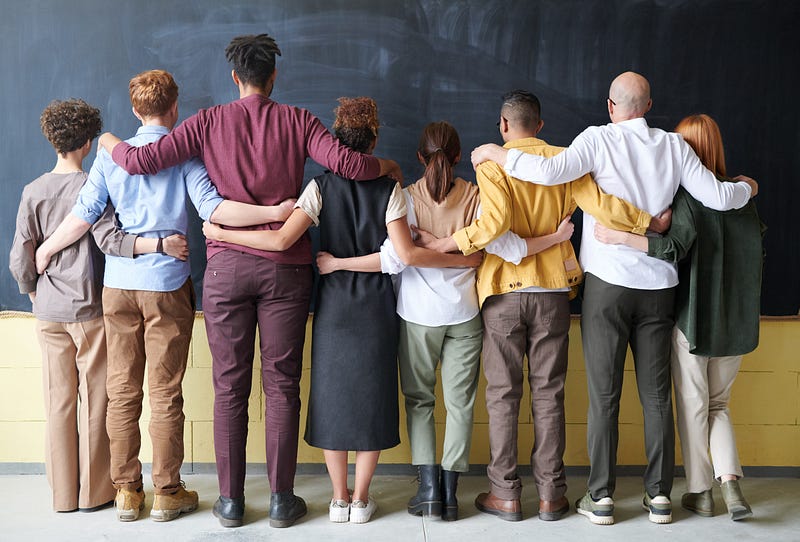
Photo by fauxels on Pexels

It has comforted me beyond words to be able to connect with readers and writers who have gone through similar struggles and overcome them (or not) in different ways. I’ve developed a much deeper appreciation for the human experience, and the fact that we are far more alike than we are different.
Photo by Daria Shevtsova on Pexels

When I was given the opportunity to write a biweekly column for Invisible Illness, I jumped at the opportunity to share my story in a regular forum, in the hopes that my experiences and what I’ve learned from them could help even one person move through the grief, resentment, doubt, anger, insecurity, or any of the other completely valid emotions that accompany trauma.

When I began this column, I set out to explore the invisible influence past trauma on current beliefs and behavior. I hope you’ll find as you read through this work that I’ve done just that.
Photo by ACC Comm Photo on Pexels

Column #1: I Was an Abuse Survivor and Nobody Knew It, Including Me
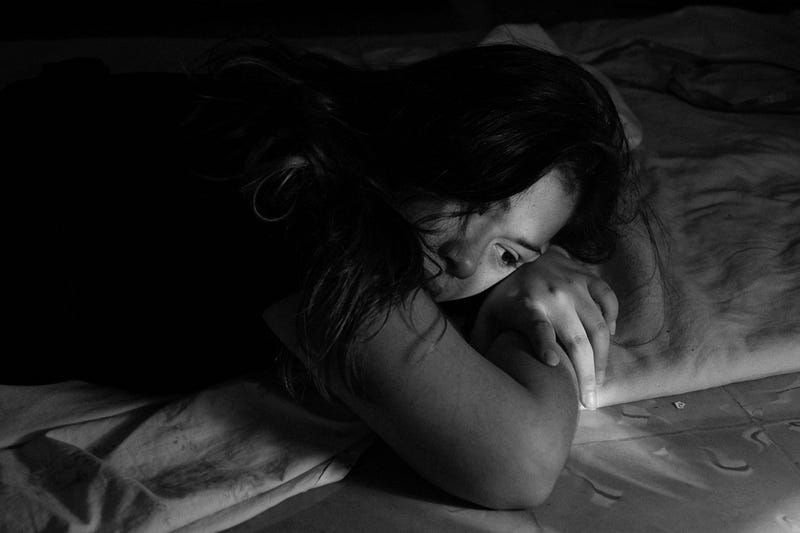
Photo by _Mxsh_ on Unsplash

“ I’d always known there was something just not right about what happened with my cousin. But I never told anyone — or at least, not anyone who was in a position to help me through it.”

This piece works through the shock I experienced when I realized as an adult that I had been sexually abused as a child, as well as exploring how my parenting has been affected by that experience.

Column #2: Recognizing My Trauma Helped Me See the Signs of Abuse
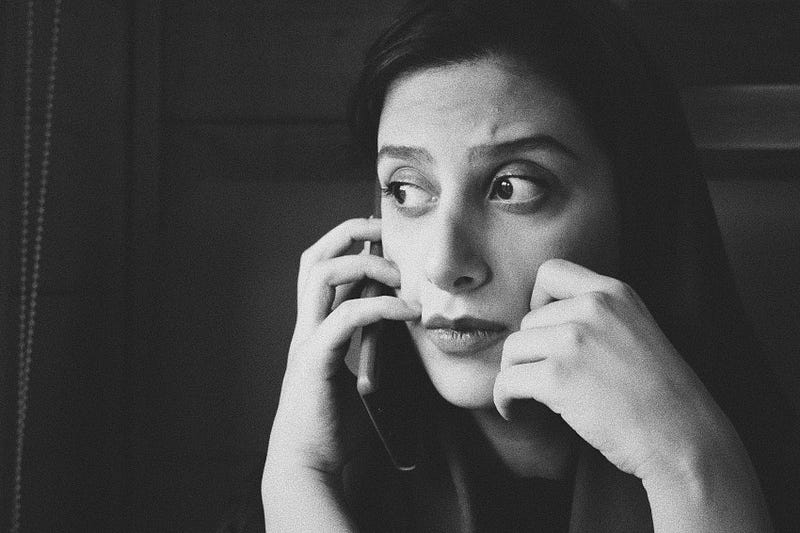
Photo by Siavash Ghanbari on Unsplash

“ I knew what I needed to do. I felt confident I was making the right choice in doing it. But it made me sick to my stomach to think about reporting this concern of mine.”

Just a few days after publishing a hard and difficult look into my own childhood sexual abuse, my daughter came to me with a story about a friend. Thirty years later, I had the opportunity to help a child like me.

Column #3: My Abuser Was a Kid Like Me
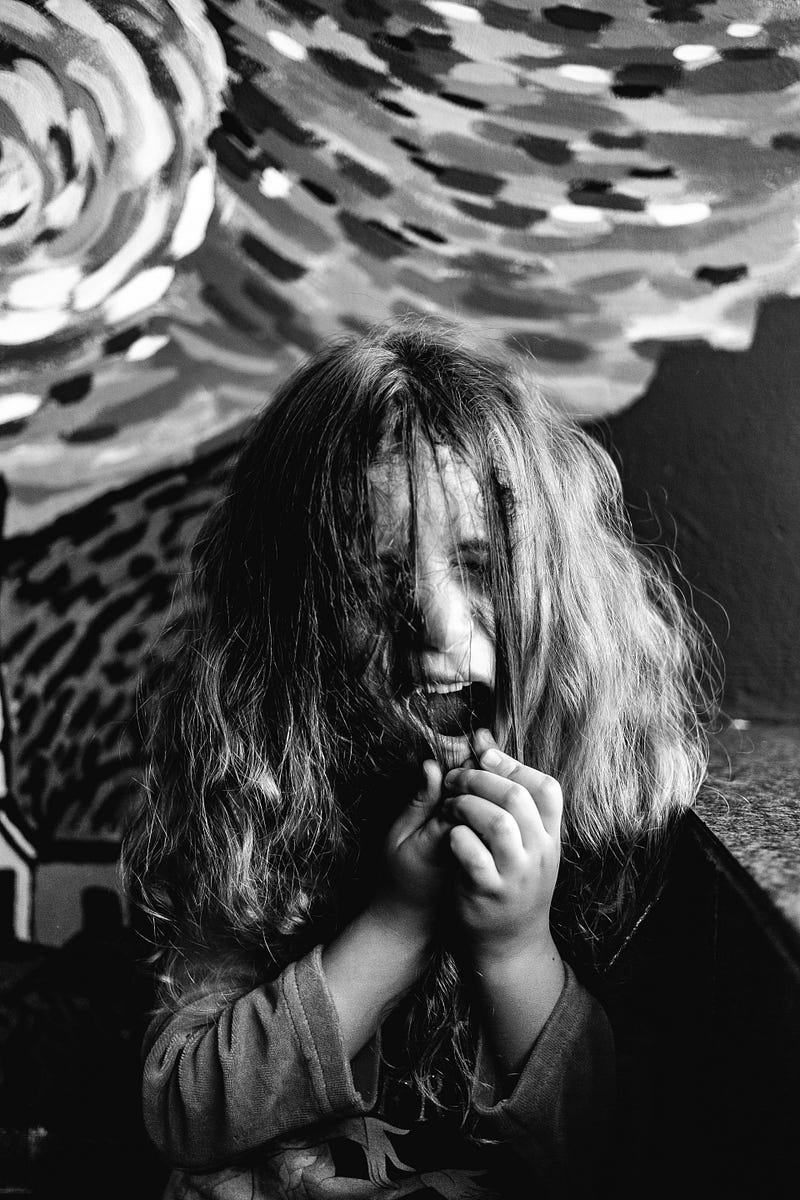
Photo by Lucas Pezeta from Pexels

“The ultimate result of all these years of re-evaluation is that I learned to define my own experience, rather than letting others do it for me. All the ‘Yeah, but…’s in the world only serve to excuse other people’s behavior and minimize my own experience.”

My abuse didn’t fit the picture I had in my head, and for a long time that led to excuse making an denial. Once I realized some key features of abuse, I began to accept my experience for what it was so I could heal.

Column #4: To Overcome Childhood Trauma, Get in Touch With Your Inner Child
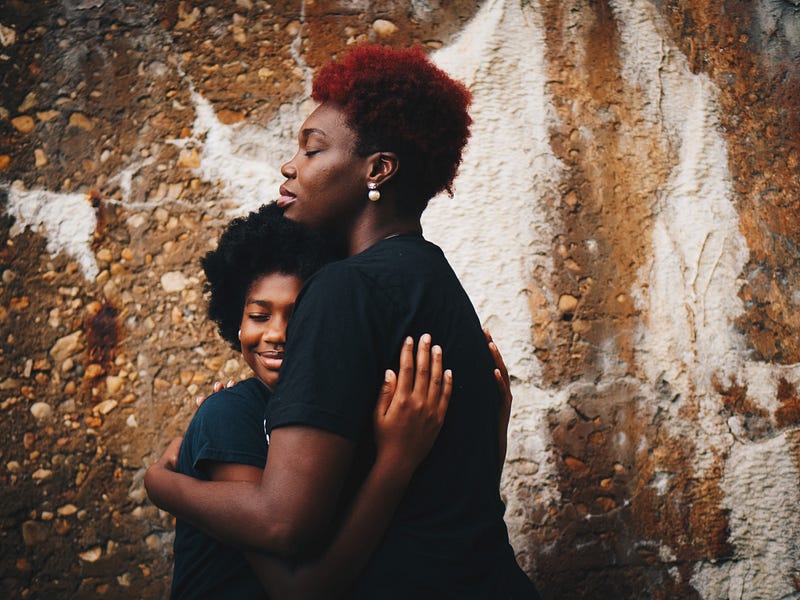
Photo by Eye for Ebony on Unsplash

“‘What do you wish someone had said or done instead?’ my therapist asks.

I can’t think of the answer to that question right away. So my thoughts turn to my little girl, to what works for her when every ounce of logic in my body can’t touch her.

‘Maybe if someone had tried to understand,’ I say, and as soon as I say it the tears begin to flow because I know it’s true.”

Being a parent has taught me many things. Being a parent to a child with anxiety and depressive tendencies has taught me to really listen, and to validate feelings, even when they make no damn sense. In a way, I’ve gotten a redo, becoming able to parent myself as an adult in a way I wasn’t parented when I was a child.

Column #5: My Eating Disorder Keeps Me Fat

Photo by Dylan Lu on Unsplash

“Consider the difference, solidified in my mind that day in health class: People who are too thin suffer from a disorder for which they need mental health support; those who are too fat are simply not trying hard enough.”

I always thought eating disorders were for skinny people, caused by the pressure of society to be thin. Now I realize there are so many more dimensions to disordered eating than I’d ever considered. Acknowledging this allowed me to finally ask for the help that I needed.

Column #6: The Emotional Battle of Eating Disorder Recovery
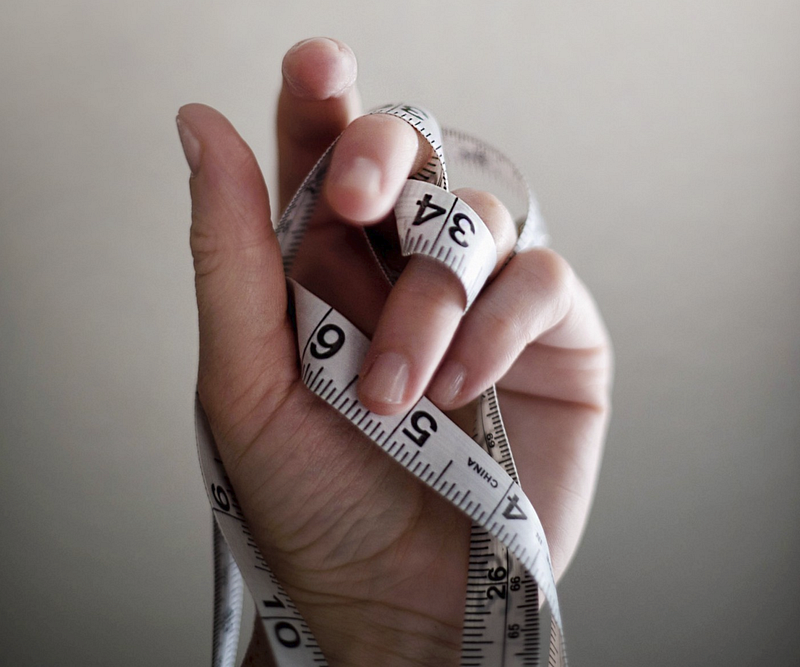
Photo by Jennifer Burk on Unsplash

“I can’t do it. It’s not worth it. I’m a failure.

“It became my self-destructive mantra and, time after time, it managed to roll back every advance I’d made.”

After decades of beating myself up over my seeming inability to control my behavior around food, I finally sought help and began making progress.

I could never have anticipated the dread that would accompany my joy. It turns out that I still have some work to do in dismantling the unrealistic expectations that I have for myself.

Column #7: This is What It’s Like to be Pregnant During Eating Disorder Recovery
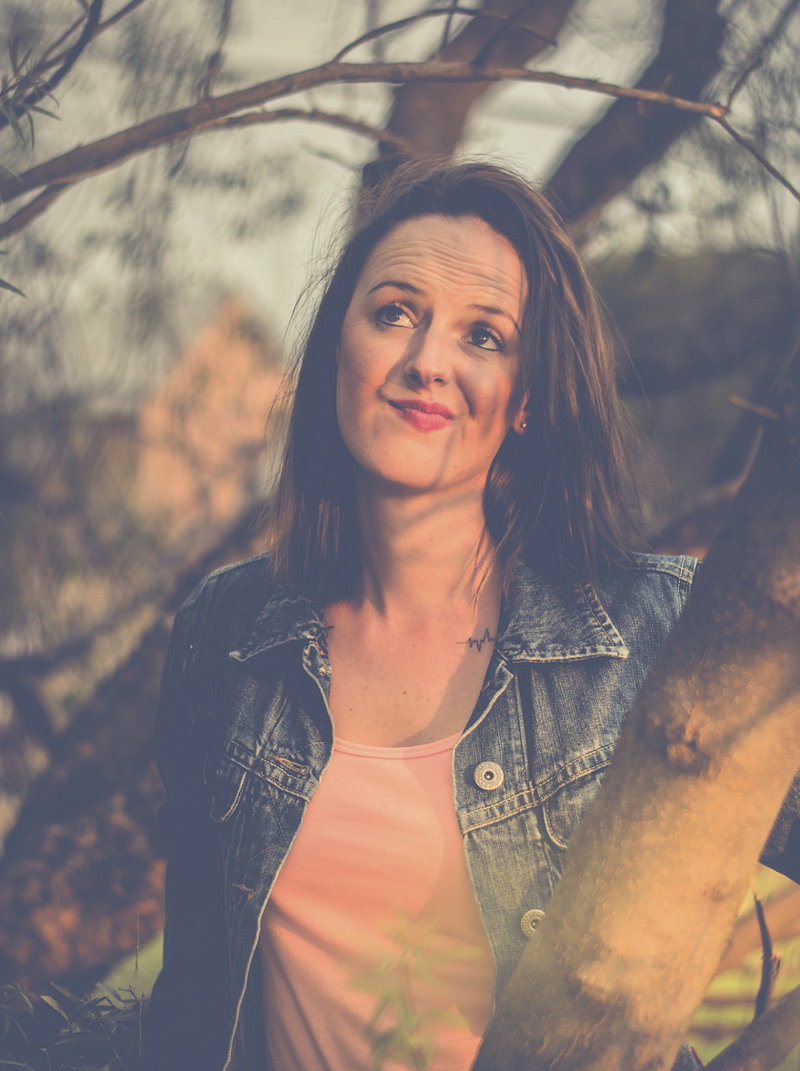
Photo by Sherise . on Unsplash

“Back and forth, from one extreme to the other, I would swing. I was proud of myself for my physical strength, yet ashamed of my lack of mental fortitude.”

Just when I thought I had my relationship with food under control, pregnancy threw a wrench in my entire system. I’m learning, though, that healing doesn’t have an end point.

Column #8: Your Mental Health Will Affect Your Children
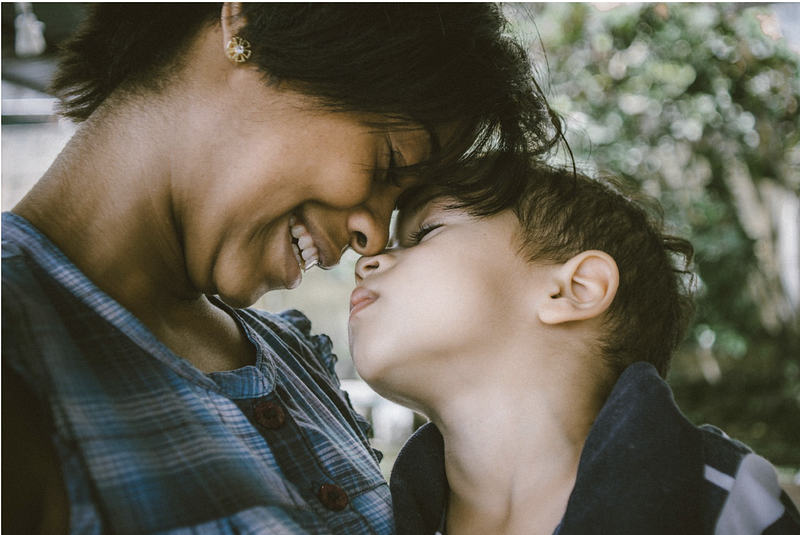
Photo by Bruno Nascimento on Unsplash

“Since no one ever mentioned the depression, anxiety, and personality issues that existed among our little triad, we could pretend they never existed at all.”

We all like to believe we do a good job of shielding our children from our dysfunction. However, living in denial doesn’t fool anyone. Instead, I try my best to face my issues head on and help my children navigate their own, too.

Column #9: I Was Labeled A Slut in School. This is What Was Really Going On.
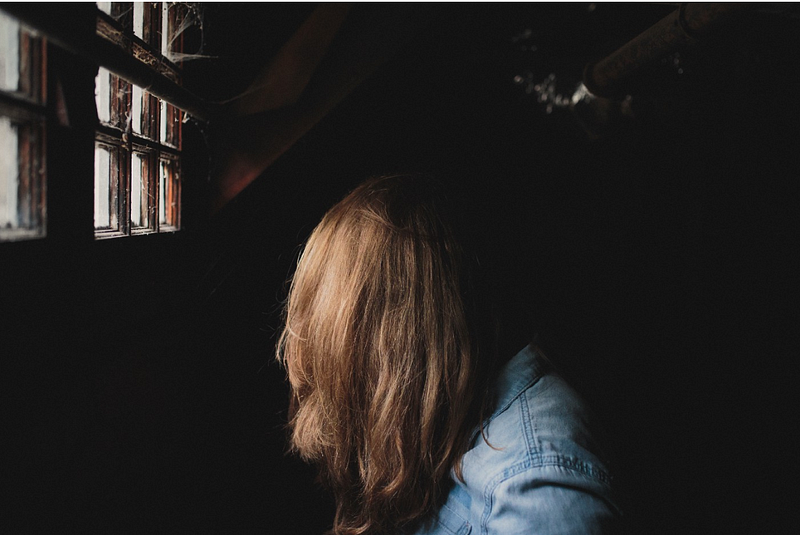
Photo by Andrew Neel on Unsplash

“From the outside it looked simple. To the kids my age, and probably to a lot of their parents, I simply chose to give myself away more than was socially acceptable. To the teachers, I was a big brain who made some very bad choices.

On the inside, though, it was much more complicated.”

A chronicle of how I became a “slut,” why that label was so harmful, and what I wish people had done instead of slapping it on and then turning their backs.

Column #10: Being Raised by Alcoholics Forged My Identity
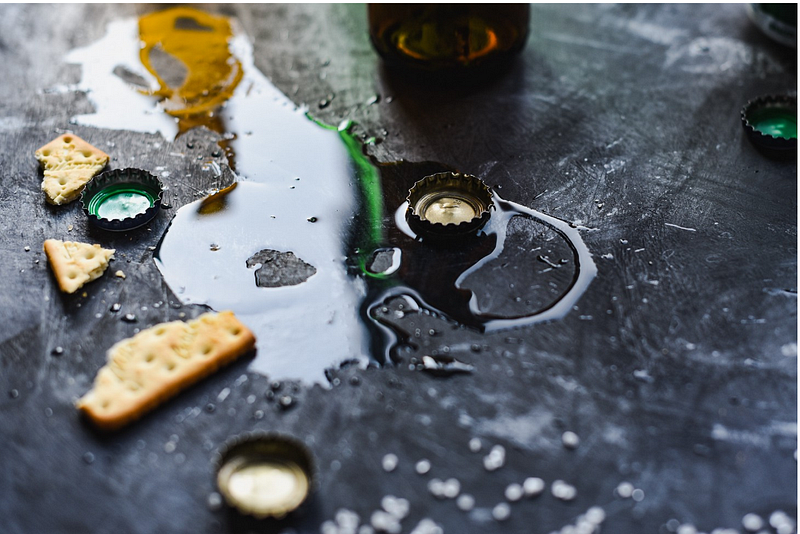
Photo by Anshu A on Unsplash

“…now that I’ve untangled a lot of the web of emotions that formed my warped self-concept, I find it both validating and instructive to reflect on my identity as an Adult Child.”

A label isn’t everything, but it can serve as a jumping off point to understanding behavior. Here, I reflect on my identity as an Adult Child of Alcoholics, and invite others to look for themselves in my story.

Column #11: Does My Trauma Make Me a Better Parent?
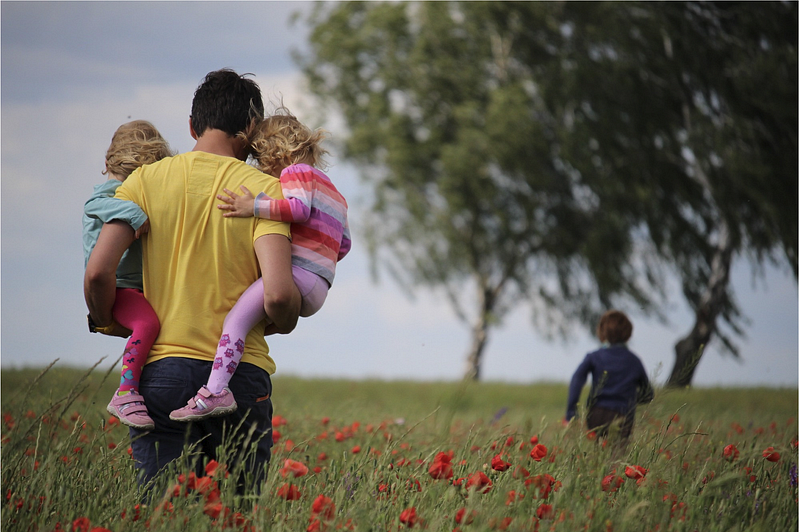
Photo by Juliane Liebermann on Unsplash

“As I’ve gotten older and begun paying more attention to the world around me, I’ve come to realize the full existential weight of my responsibility as a parent.”

Being a parent is hard. And many of my parenting decisions are made in an effort to prevent my kids from going through the hard times I did. But how do I know what I’m doing is right?

Column #12: Why I Won’t Talk to My Parents About My Childhood Trauma
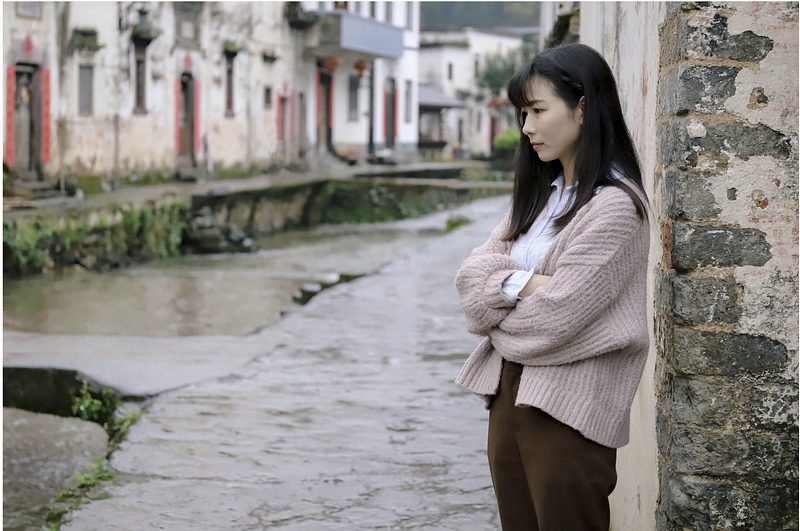
Photo by Raychan on Unsplash

“The thought occurs to me: Family is the most important thing to them. They love me and my family so fiercely they surround themselves with our likenesses, even while our relationship is stilted and murky.”

But none of that changes the impact my childhood had on me. So why not open up about what I went through? The simple answer: It’s complicated.

Column #13: What to Expect When Setting Boundaries With Your Abuser
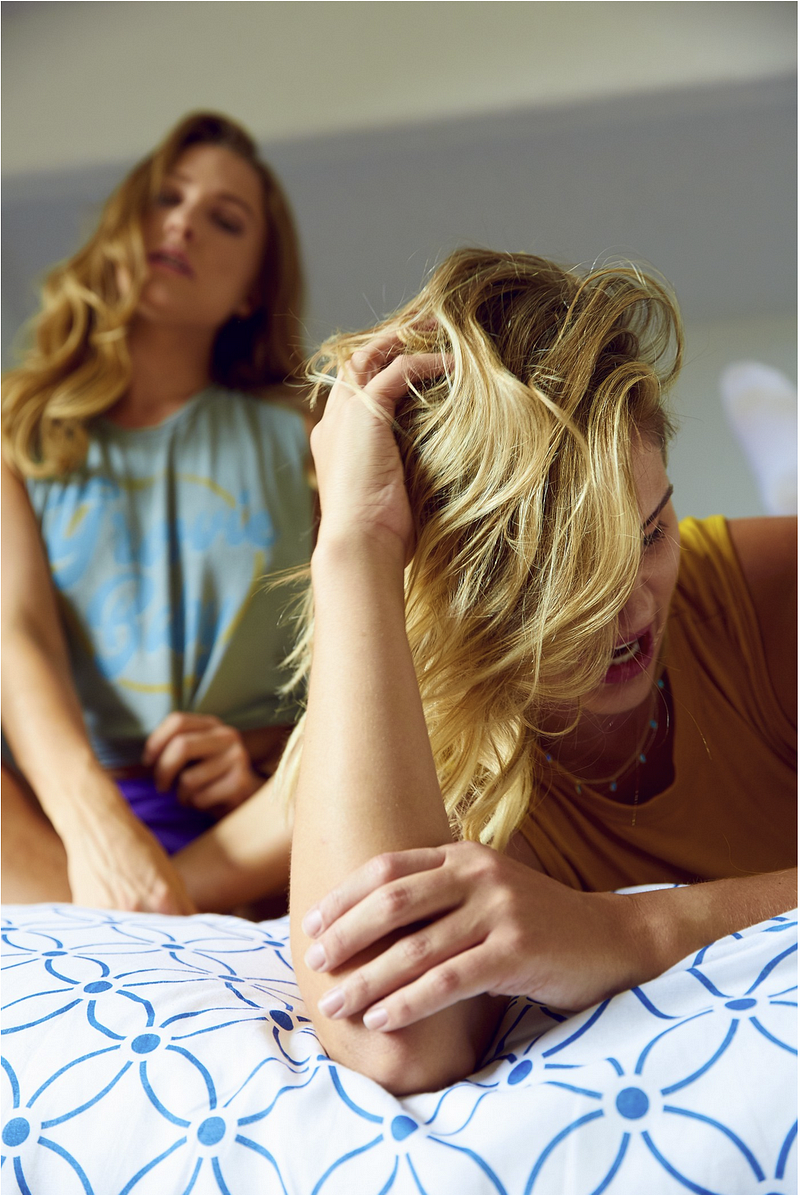
Photo by Ayo Ogunseinde on Unsplash

Boundaries have always been hard for me. From a very young age, I was always pushing them in relationships. In a way I felt like I always needed to be open for affection because I never knew where it would come from or how long it would last. When I grew up, I realized the only way I was going to be able to continue my relationship with a very important person in my life was by establishing and sticking to some firm boundaries, even if she railed against them.

“I’d attempted to communicate by using logic on an irrational human being, and I’d lost the battle every single time until eventually I learned fighting was futile.”

Column 14: Don’t Be Tempted to Make Excuses For Your Abusers

Photo by Mikail Duran on Unsplash

Whenever I hear about abuse survivors, and the people who abuse them, there is often some rationalization language. Well, his father was an alcoholic. Or, You know, her mother was bipolar. I began applying this to my own experience as well. The nine-year-old who sexually abused me may well have been abused himself. But that doesn’t change the effect his actions had on me in the long run, and the same can be said for anyone else.

“…never let that empathy come between you and your own experiences and feelings. Never use your abuser’s history to minimize yours, and never let someone else’s bad behavior excuse your own.”

Column 15: Talking About Mental Health Is Not Attention Seeking
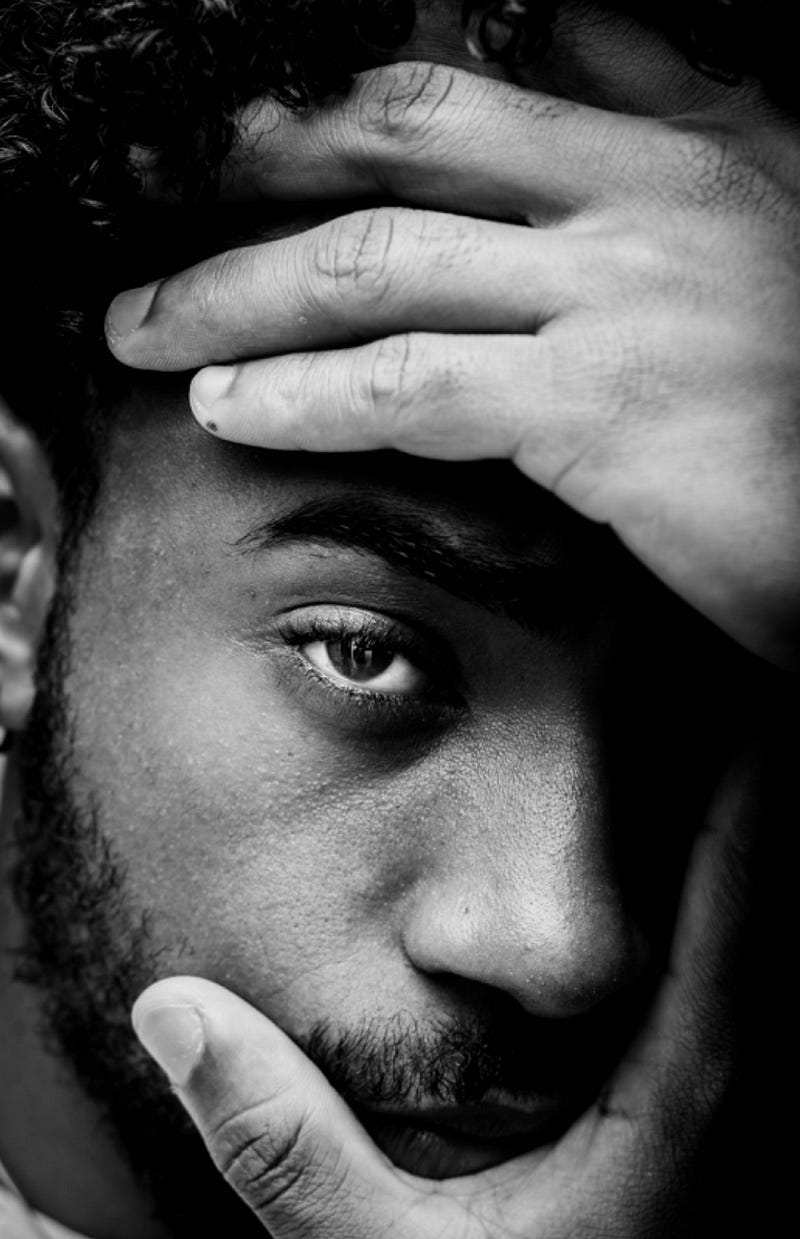
Photo by Wallace Chuck from Pexels

It all started with a Facebook comment. “At some point you have to grow up and get over it.” Here’s why it’s not that easy, and how you can be a kinder, better ally.

Column 16: This is What Relapse Feels Like
Photo by Paul Garaizar on Unsplash

If being addicted to eating is not the same as being addicted to a substance, then how is it that the two share so many characteristics? The addictive behaviors follow the same patterns. Recovery can be framed in much the same way.

And relapse can be equally devastating, albeit in sometimes completely different ways.

Column 17: When Should You Take Your Child’s Mental Health Issues Seriously?
Photo by 🇸🇮 Janko Ferlič on Unsplash

To speak the fears we never want to acknowledge takes lot of emotional and mental energy. But the danger of keeping quiet far outweighs the comfort we seek by not speaking out.

Mental health issues in children are real. Even if you don’t like it. Even if you don’t understand it. Even if the child seems to have no reason to feel mentally ill.

Even if it scares you. Especially then.

Column 18: Nonverbal Learning Disorder: An Academic and Social One-Two Punch
Photo by Aaron Burden on Unsplash

One of the hardest things about being a parent is learning to navigate the murky waters of atypicality. Whether it’s learning or social concerns, medical issues, or physical differences, at some point all kids throw their parents for a loop.

Here I share a story about how my daughter’s atypical learning profile affects her, both inside and outside of the classroom.

Column 19: Why It Is Important to See Labels As a Tool, Not a Destiny
Photo by Miguel Á. Padriñán from Pexels

There is a long list of reasons why we resist seeking diagnoses, for ourselves or our young ones. One is that we don’t want to become our label. I’m here to tell you, when viewed properly, a diagnosis can be a powerful tool for understanding yourself and relating to others.

Column 20 (Coming October 26!): Should You Tell Your Child About Her Diagnosis?
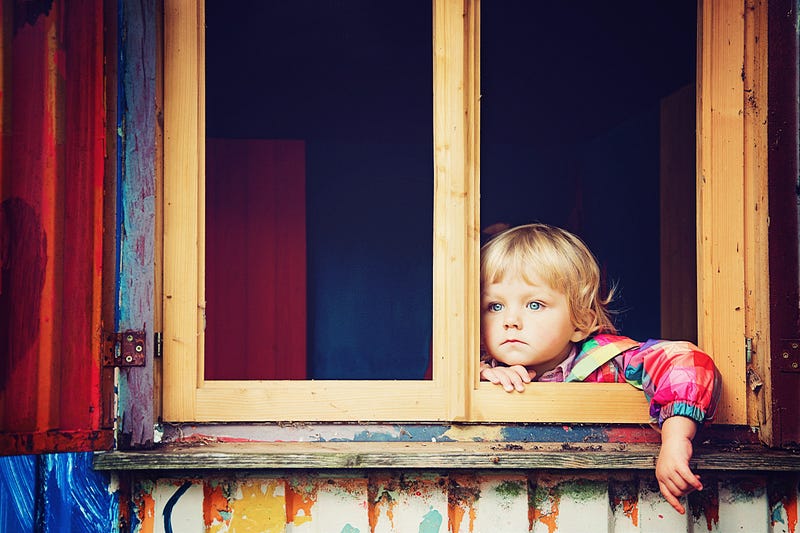
Photo by Joel Overbeck on Unsplash

I had avoided telling my daughter about her diagnoses for years. Yet, after one doctor’s appointment, there it was on her summary form, in black and white. “Apparently have a learning disability?” she asked, the hurt in her eyes breaking my heart. But thanks to years of positive framing, the conversation went better than I expected.
Photo by Pixabay on Pexels

Subscribe to this series if you’d like to be updated when I publish a new column, which I do every second and fourth (and sometimes fifth!) Monday.

I look forward to connecting with you.

-NK

Recommended from ReadMedium