
Niihau: The Only Forbidden Island of Hawaii
The Forbidden Island of Niihau
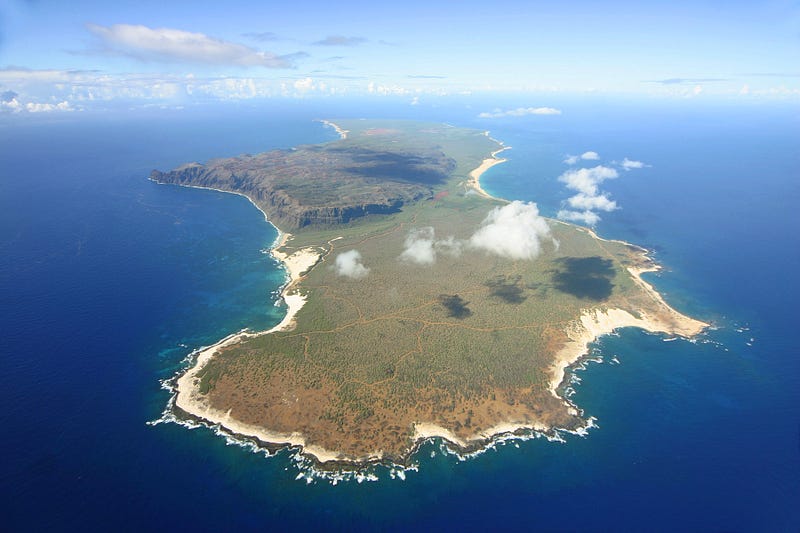
The Hawaiian Islands are not just visually stunning; each possesses a unique identity and a nickname. Oahu is the "Gathering Place," Maui is the "Valley Isle," Kauai is the "Garden Island," and then there’s a historic restricted area: the small, 70-square-mile island of Niihau, also known as the "Forbidden Island."
A History of Restriction
Niihau gained its intriguing moniker during the early-to-mid 1900s polio outbreak. In an effort to shield its residents, the island closed its coasts, barring entry to any visitors. This strict policy persists today, permitting only a handful of tour operators to explore specific uninhabited areas.
Limited Tourism
Overnight stays are strictly prohibited, and the island’s current custodians, the Robinson brothers, provide half-day helicopter and beach excursions. Niihau’s distinctive tourism income extends to hunting safaris, enabling visitors to hunt various animals. However, there’s a caveat—the meat belongs to the locals and cannot leave the island.
The Robinson Legacy
Privately owned by the Robinson family since 1864, when Elizabeth Sinclair acquired it for $10,000 in gold from King Kamehameha V, Niihau remains in the family’s care. Today, Bruce and Keith Robinson manage the island, faithfully upholding the commitment to preserve its ways of life, traditions, and natural habitats.
Conservation and Biodiversity
Dedicated to maintaining the island's pristine condition, a significant portion of Niihau is designated as a conservation area. The Robinsons concentrate on nurturing endemic flora and fauna, proudly hosting the largest population of critically endangered Hawaiian monk seals. The island's secluded coasts offer an ideal sanctuary for these seals to breed and thrive.
Island History and Population
With an age of approximately 6 million years, Niihau is a relic of a larger volcano. Ranking as Hawaii's 7th most populous island with around 160-170 residents, the primary settlement is Puʻuwai. Despite stringent visitor monitoring, many locals frequently journey to nearby Kauai for essential supplies.
Challenges and Decline
Niihau faces challenges such as recurring droughts, compelling some residents to permanently relocate to other islands. The arid conditions, attributed to blocked rainfall by Kaua’i mountains, are alleviated by relying on winter cyclones for water. The Robinsons' yearly afforestation efforts, planting 10,000 trees, have notably increased rainfall.
Sustainable Living
Living off the land, Niihauans cultivate their own food, relying on hunting and fishing. Devoid of electricity and running water, the island's dry climate proves ideal for solar power. Niihauans fiercely protect their cherished home from external influences, embodying a distinctive way of life on Hawaii's Forbidden Island.
Thank you for reading. If you like my content please follow and subscribe me via email.