
Night Time Screen Time Affects Your Health
Research shows it disrupts your sleep cycle
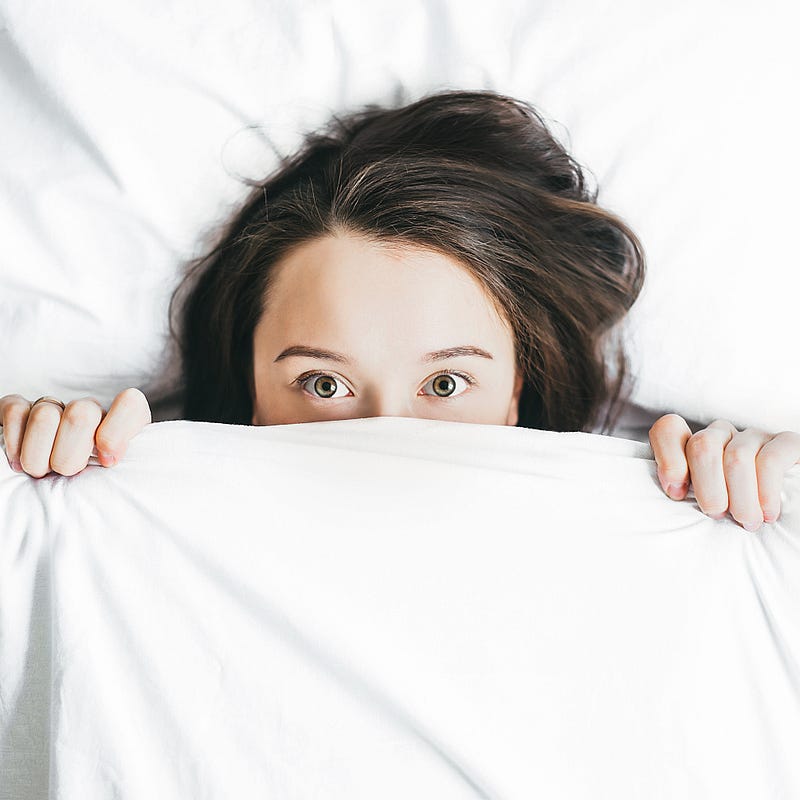
If you suddenly find yourself depressed or sad, when you are normally a cheerful person, too much time viewing screens at night could be the culprit.
Gazing at screens at night confuses our brains, and it can reset our circadian rhythms. When our internal clocks are disrupted, it causes all kinds of health problems. Research (Salk Institute 2018) shows how this nightly screen time adversely affects us. Studies (JMIR Mental Health, 2019) show that lack of sleep can harm people’s moods, contributing to anxiety and depression.
I never meant to test this theory.
Two weeks ago I woke up crying. I’d devolved from this optimistic person into a complete mess. I obsessed all day about every mistake I ever made, and all the poor choices I’d made from childhood up to that point. I felt old and irrelevant as if I’d reached my expiration date. It even affected my dreams. I dreamt I performed a sad song on the piano. When I awakened I was weeping.
For the next two days, I kept waking up in this melancholy mood, on the edge of tears before I even started the day.
The third day was the worst of all. My mind traveled to a dark space, that I couldn’t escape. I questioned what my purpose was in living. I felt like an abject failure. All I could see ahead in my future was a dark, heavy cloud of sorrow. I couldn’t imagine anything exciting or worthwhile ever happening in my life again. The best in life was behind me. Everything appeared hopeless. I couldn’t see any way out of my failures. I felt completely unloved and alone. I couldn’t find joy in anything. My body felt heavy and my muscles felt weak. Fear and anxiety overwhelmed me. I grew angry at the smallest things. I was just plain miserable.
On the fourth day, my depressed mood was gone. Like sunshine after the rain, it disappeared as fast as it came.
The entire episode was a mystery to me.
What had happened that had plunged me into a three-day depression? I’m usually an upbeat person. Nothing drastic had happened. Everything was going well with my friends, home, and career. Why had I plunged into self-loathing and despair?
Then something jolted my memory. For three days straight, I hadn’t had a good night’s sleep. I’d been on the computer all night until the early hours of the morning watching television series, YouTube videos, reading articles, and checking my social media accounts. When I turned the screens off at that late hour, I couldn’t doze off. I tossed and turned all night with insomnia. The slightest noise startled me awake, from the cat meowing — to a car driving down the street outside. Nothing could help me sleep. I tried a warm shower, praying, meditating and nothing worked. I didn’t fall asleep until almost 5 am — barely sleeping before the alarm woke me.
As a result of poor sleep, I was groggy the following day. I had a slight sore throat and nausea. In the past, this was typical for me, and when I caught up on sleep the symptoms would always disappear.
But this time, there were more problems. Each night of disrupted sleep led to a sad mood, and pervading inertia — three days of not accomplishing anything except for the bare necessities. I didn’t even have the energy to clean my house. I love writing, but I didn’t even feel like it. This wasn’t like me at all.
How things went back to normal.
The third day when I was in my worst mood ever, I headed up to bed early. I fell asleep easily and had a refreshing night’s rest. I woke up in the morning at my usual time, and that miserable mood had vanished completely. I felt like my old self again. Life was good, and I could handle everything.
It amazes me how quickly this lack of sleep had impacted my mental health. Just three days of poor sleep had brought out the worst in me.
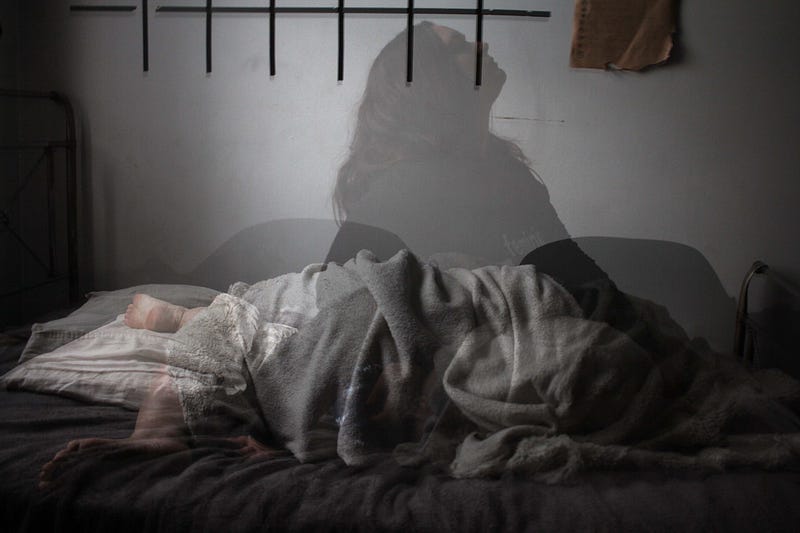
Research from the Division of Sleep Medicine at Harvard Medical School shows a lack of sleep impacts your health in the following ways:
- Weight gain
- Issues with concentration and thinking
- Weakened immune system
- Memory problems
- Mood changes
- Accidents
- Increased risk for diabetes
- High blood pressure
In addition to the other problems, lack of sleep can cause people to fall asleep at random moments during the day; this can adversely affect their job performance. Lack of sleep has even been linked to psychosis, (Frontiers in Psychiatry 2018.) When deprived of proper sleep for days, people have experienced auditory and visual hallucinations.
A new sleep schedule.
I’m thankful that my lack of sleep only adversely affected my mood. It could have been so much worse.
I’m now on a sleep schedule, turning off my screens after ten p.m. I’m waking up with the sun, without an alarm, and I feel amazing and more productive during the day.
It could happen to you too.
What happened to me could happen to you too. If you find yourself depressed or sad for no reason, screen time hours late at night could be the likely source. If you’re experiencing insomnia regularly, make sure you’re getting the proper amount of shut-eye. Turn off the screens early and keep a consistent bedtime. You will be amazed at how much better you’ll feel the next day. For we all need our sleep; more than we could ever realize.
If your depression persists after limiting your screen time and getting enough sleep, see your doctor.


