
Niche Literary Magazines are Dying. Crowdfunding is Saving them.
“Eighty percent of U.S. books are produced by the Big Five publishers, but with each passing year — and with a stable small number of annual releases — independent presses are earning more of the literary conversation, gaining frequent articles and reviews in the New York Times, the Guardian, the New Yorker, and more.”
In 2017, according to bookstr.com, the most profitable book sales genres were:
· Romance & Erotica: A staggering $1.4 billion.
· Crime & Mystery: $728.2 million.
· Religious & Inspirational: $720 million.
· Science Fiction & Fantasy: $590.2 million.
· Horror: $79.6 million. Yes, that includes the works of prolific authors like Stephen King and Dean Koontz.
For authors who aren’t discovered by one of the Big Five publishers, finding a home for their writing isn’t always easy. This holds especially true for authors writing in niche genres like weird/strange fiction and horror. Wait…horror is a niche genre, you say? Yes, at least in the written form it is. $79.6 million (or 2%) is a drop in the bucket compared to the other genre sales figures listed above.
Horror in film is a different story. In fact, it’s one of the most profitable movie genres out there (just read this article). Take the independent film Paranormal Activity, for example. It was produced with an $11,000 budget and grossed a massive $193 million at the box office (a 17,545% return!).
And it’s not alone.
With the recent renaissance in horror/strange fiction in television and film, movies like Get Out, Bird Box, A Quiet Place, and It, and television series like Stranger Things, Black Mirror, and the upcoming Twilight Zone, you would think publishers would be rushing to find the next wave of horror/strange fiction authors, right?
Not really, and it’s not for a lack of material — there’s plenty of great writing out there — but major publishers aren’t exactly flocking to it. And why would they? The profit’s just not there.
This is where independent literary magazines and publishers come in. They are willing to take chances on quality material and authors in niche genres, and readers are hungry for it. Just look at the cultural phenomenon that is Bird Box by Josh Malerman and Adam Neville’s The Ritual. Guess where their work was first published? Yes. Independent presses.
But there’s a problem.
While small presses offer more creative freedom to writers and produce some of the better works available, they are floundering in a market saturated with print-on-demand services and self-published titles. In fact, most independent publications struggle to survive (especially the younger ones), and the majority crumble within a year or two.
Their lifeline of late? Crowdfunding.
Crowdfunding has become a platform in which small presses are able to reach new audiences, generate new opportunities, and rejuvenate their projects. When a backer supports an indie press crowdfunding campaign, they’re not just helping it come to life, they’re also supporting aspiring authors and providing readers with a rich variety of unique and interesting material not always found in the major market publishing catalog. Take the following publication success stories for example:
Vastarien
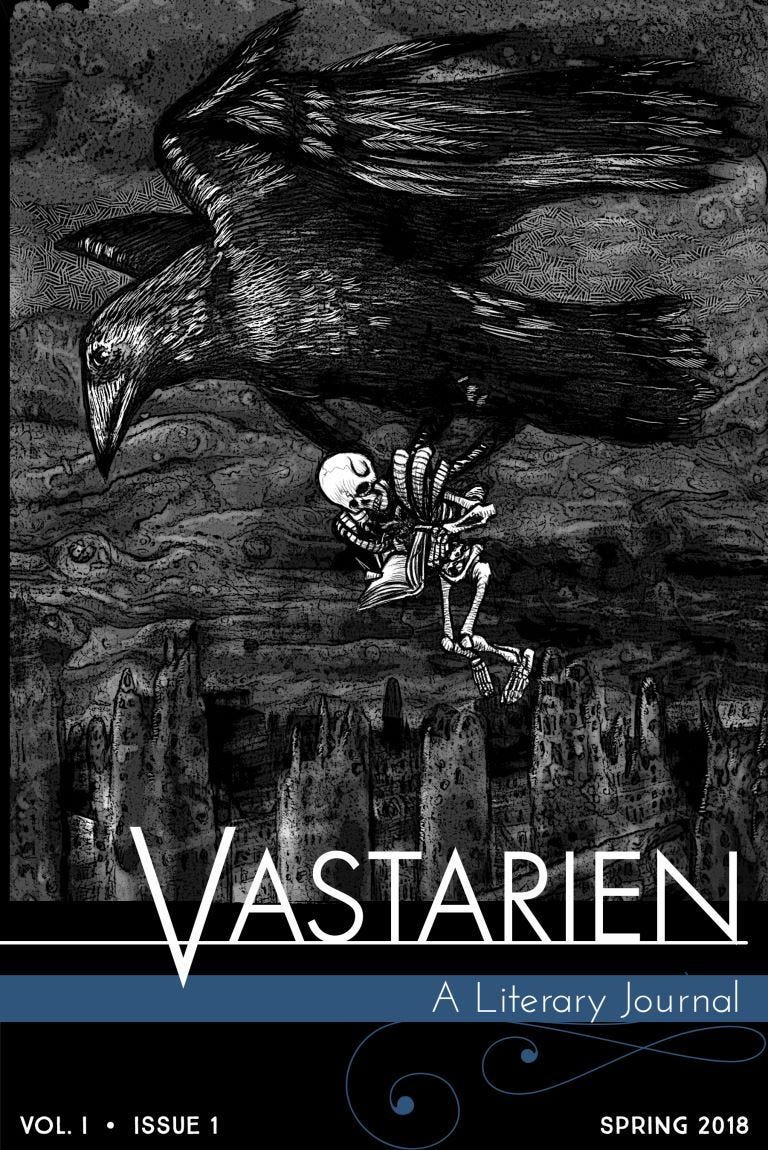
Jon Padgett, editor-in-chief of Vastarian, utilized Kickstarter to garner funding for his flagship publication. Per Jon, “Some people are understandably skeptical about Kickstarter campaigns — leery of another fly by night scam that promises big and produces little to show for it. With Vastarien: A Literary Journal, this has not been the case. Our Kickstarter raised almost 300% of our goal, and thanks to it, we could produce a high-quality publication, paying our authors and artists pro-rates. Now, between reader purchases, subscriptions, and other ongoing support, the journal pays for itself.”
Ashes and Entropy
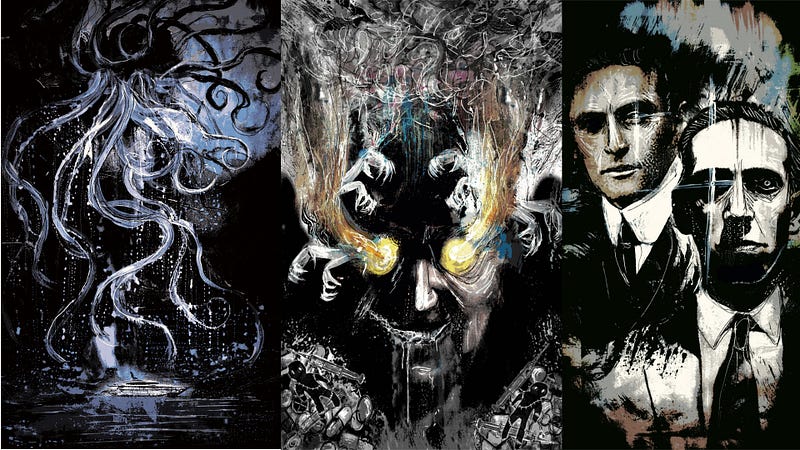
This type of success isn’t uncommon. A similar achievement came by way of Robert S. Wilson and Nightscape Press with their anthology Ashes and Entropy. Robert states, “In my experience, Kickstarter is the new pre-order for major indie publishing projects. Not only are you able to build a financial foundation for your project, but for Ashes and Entropy, we were able to connect with a new audience that probably wouldn’t have found us otherwise.”
This Dreaming Isle
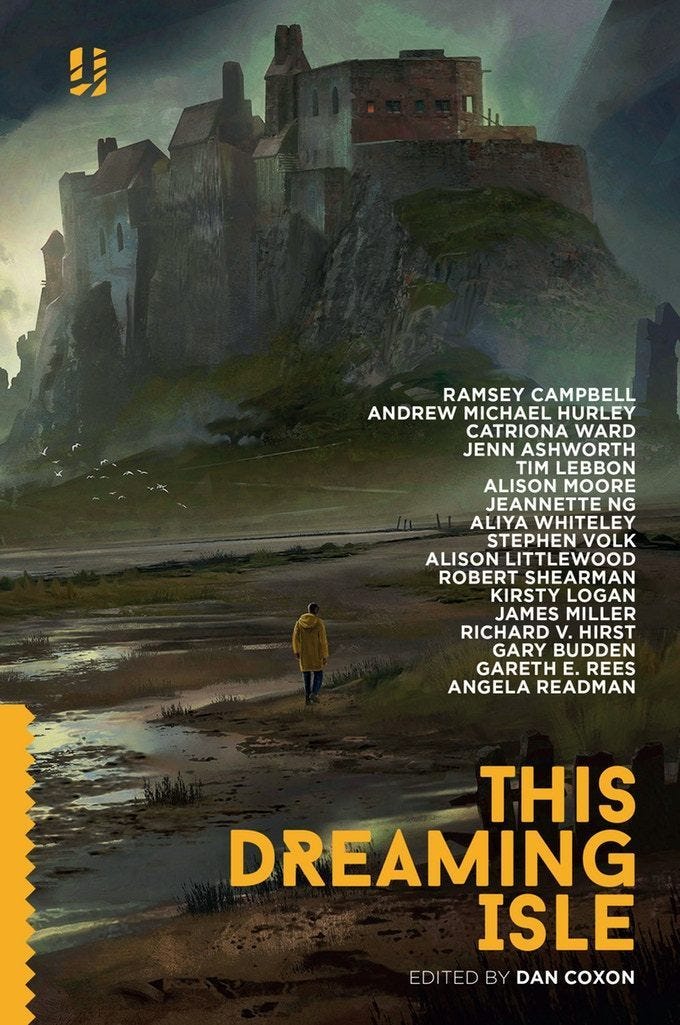
In the U.K., editors like Dan Coxon have helmed several successful Kickstarters for literary projects. He says, “Anthologies thrive on Kickstarter and other crowdfunding platforms. Those books that mainstream publishers won’t take? Crowdfunding might just be the answer.”
1816: The Year Without Summer
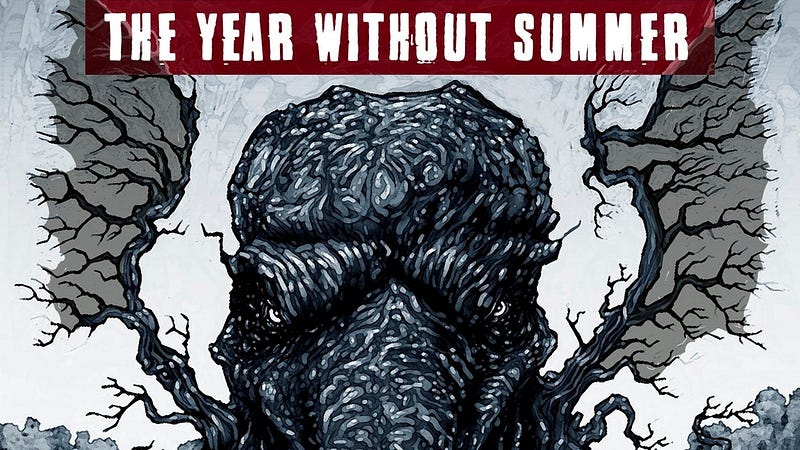
Dickon Springate, who heads Beyond Death Publishing, was able to fund his Cthulhu Mythos Anthology 1816: The Year Without Summer. He says this about crowdfunding: “Running your very first Kickstarter is like learning to ride a bike. At first glance it seems so simple, then you shove off, wobble and before you even start peddling you topple over sideways. The fall doesn’t hurt anything more than your pride, and you get back up, ready to relaunch yourself once more, but you have learned a valuable lesson, that is: Advanced preparation and getting a good start is the most important thing of all.”
Gehenna and Hinnom
In that vein, independent publisher Gehenna & Hinnom Books is currently running a Kickstarter to help market and produce fifteen titles for 2019. And, full disclosure, yes, I am the Assistant Editor for one of their publications: Hinnom Magazine. So here goes. If you feel led to support an up and coming independent press focused on discovering and publishing authors who have been flying under the radar for way too long, please take a moment to contribute. It might just make all the difference in the world, both to them and to us.
If you enjoyed this post, please consider joining my newsletter at www.calebstephensauthor.com. I would love to share my journey as an author with you in a more intimate way. (And I’ll even send you a free short story when you sign up!) Also, feel free to follow me on Twitter @cstephensauthor as well as on Goodreads, where you can check out more of my work. Happy writing!
