
Crypto Context
NFT are Medieval Indulgences
Both are founded in belief based exchanges

NFT are the modern equivalent of the “indulgences” sold by priests to rich people before the Reformation. — Jim Francis
It all starts with a small lie, a fib, a fabrication. The threads of the story grow stronger with each retelling and soon whole cloth is draped on an altar where virtue, sin, and penance are defined.
Law without enforcement renders it toothless and flaccid, thus the concept of eternal damnation was created as an ecclesiastical constabulary which instead of badge and baton, uses scripture and sermon.
Not a bad idea at its core. A philosophy to guide the masses and limit the powers of the state but like all human endeavors, subject to corruption over time. Just as a bribe is slipped to the bobby to avoid the penitentiary, so too the tithing given to the church will skirt a penance or two.
Formalized in the Middle Ages, the funds raised from the sale of indulgences were of such volume as to support church projects ranging from building cathedrals and hospitals to underwriting several Crusades. At first, the payments simply absolved the donor from small sins like eating butter during lent and were limited in duration to a few days off of Purgatory, that intermediate damnation with an expiration date.
By the late Middle Ages, professional alms collectors were selling indulgences for hundreds or thousands of years worth of penance until they arrived at the obvious conclusion of a get out of eternal damnation card.
A century before Martin Luthor came on the scene in 1492, Pope Boniface IX was grousing about members of the church basically selling VIP passes to the pearly gates. By 1567, Pope Pius V canceled all purchased indulgences (without refund or recourse).
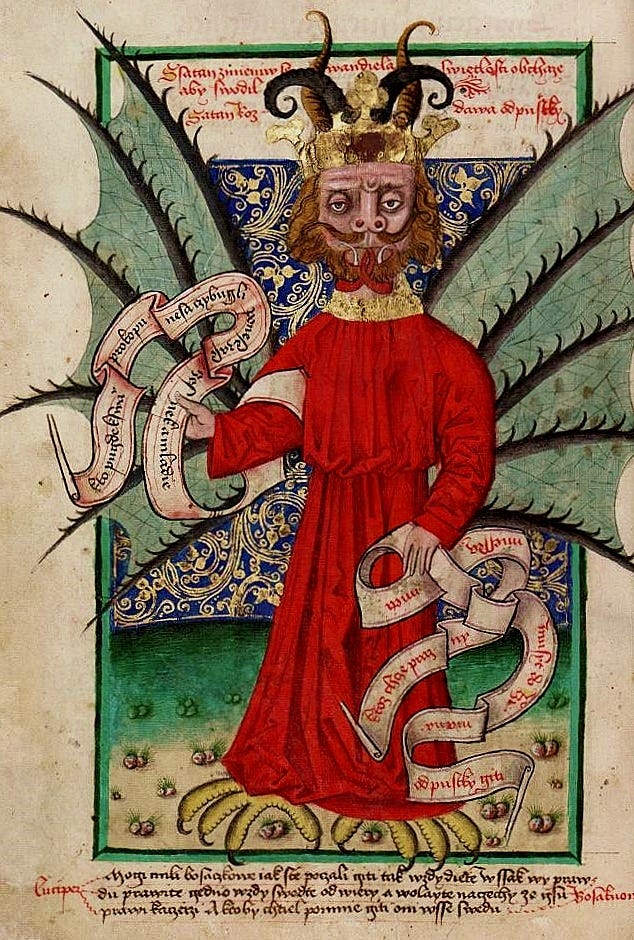
Here we are four centuries later stuffing the coffers of the rich with fiat currency with the belief we can buy that which cannot be owned. There is not a considerable difference between having a scrap of parchment guaranteeing less roasting time after death and having the private key to a blockchain URL pointing to where some binary data is stored.
Some will argue that any abstraction of value is only worth what is agreed upon communally, however, fiat currency is backed by the violence of the state and applied with a continuum of force starting with small claims court and ending with forfeiture and prison.
We can learn a lesson from the Reformation that brought an end to outlandish indulgences and we should expect the same for NFT.


