avatarTracy Sutherland - Internet and Affiliate Marketer

Free AI web copilot to create summaries, insights and extended knowledge, download it at here

1111

Abstract

ight.</li><li>World War I Influence: Daylight Saving Time gained traction during World War I when several countries, including Germany and the United Kingdom, adopted the practice as a wartime measure to conserve energy. The United States followed suit in 1918.</li><li>Inconsistent Adoption: After World War I, there was no standardization in the adoption of Daylight-Saving Time, leading to confusion. Some countries continued to observe it, while others did not. The practice was often implemented and repealed on a local or regional basis.</li><li>World War II: During World War II, many countries again adopted Daylight Saving Time to save energy. After the war, some regions retained the practice, while others abandoned it.</li><li>Standardization in the United States: In the United States, the Uniform Time Act of 1966 standardized the start and end dates of Daylight-Saving Time, although states could choose whether or not to observe it. The Energy Policy Act of 2005 extended the duration of DST in the U.S.</li><li>Global Variation: Different countries have varied approaches to Daylight Saving Tim

Options

e. Some countries observe it year-round, while others don’t use it at all. Additionally, the start and end dates can differ.</li><li>Criticism and Debate: Daylight Saving Time has been a topic of debate and criticism. Some argue that it no longer serves its intended purpose of energy conservation and can disrupt sleep patterns and daily routines.</li><li>Recent Developments: As of my last knowledge update in January 2022, some regions and countries were considering changes to their observance of Daylight-Saving Time, with discussions about whether to make it permanent or abolish it altogether.</li></ol><figure id="a39b"><img src="https://cdn-images-1.readmedium.com/v2/resize:fit:800/0*wMeJSO2w8b-4om6o"><figcaption>Photo by <a href="https://unsplash.com/@surjasendas?utm_source=medium&amp;utm_medium=referral">Surja Sen Das Raj</a> on <a href="https://unsplash.com?utm_source=medium&amp;utm_medium=referral">Unsplash</a></figcaption></figure><p id="194e">For the most current information, you may want to check recent sources, as changes to Daylight Saving Time policies can occur.</p></article></body>

Newsworthy-Is Daylight Saving Time a Good Thing, or…is it just a Pain in the Arse?

Daylight Saving Time (DST) is a practice where the clocks are set forward by one hour during the warmer months to extend evening daylight. The main goal is to make better use of natural daylight and reduce the need for artificial lighting, thereby conserving energy. Here are some key points about the origins of Daylight-Saving Time:
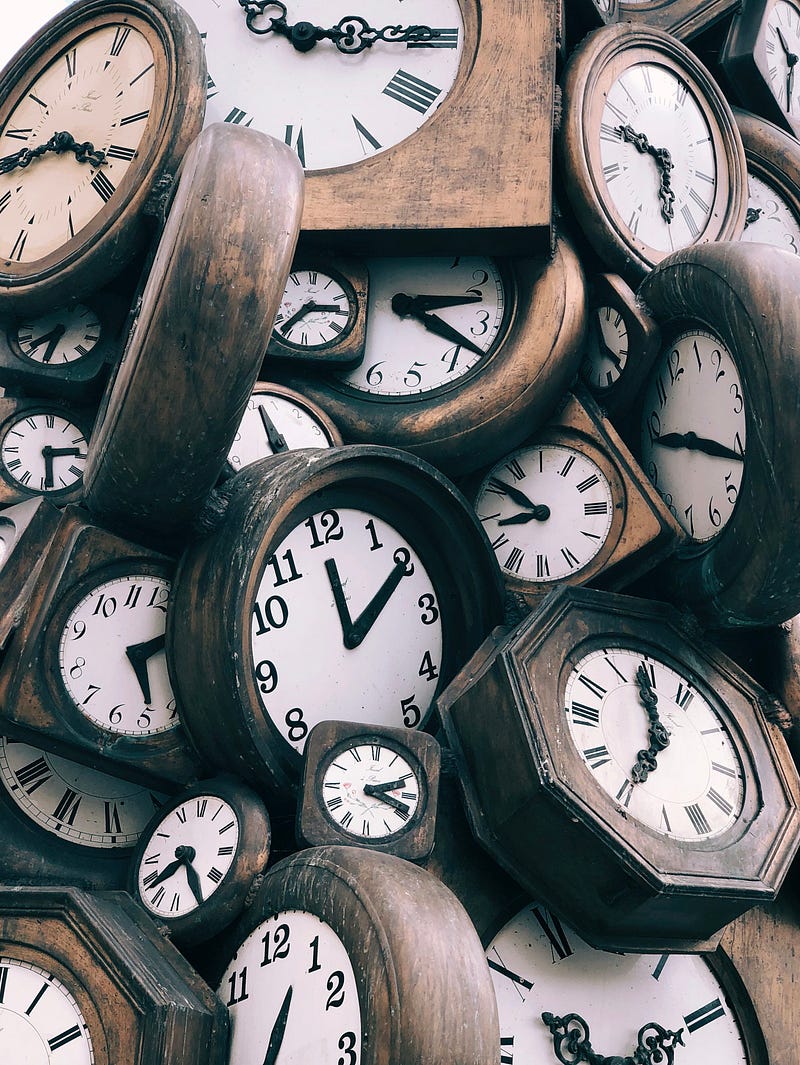
Photo by Jon Tyson on Unsplash
  1. First Proposal: The idea of adjusting clocks to make better use of daylight was first proposed by Benjamin Franklin in a 1784 essay titled “An Economical Project for Diminishing the Cost of Light.” He humorously suggested that Parisians could economize candle usage by waking up earlier to use natural sunlight.
  2. World War I Influence: Daylight Saving Time gained traction during World War I when several countries, including Germany and the United Kingdom, adopted the practice as a wartime measure to conserve energy. The United States followed suit in 1918.
  3. Inconsistent Adoption: After World War I, there was no standardization in the adoption of Daylight-Saving Time, leading to confusion. Some countries continued to observe it, while others did not. The practice was often implemented and repealed on a local or regional basis.
  4. World War II: During World War II, many countries again adopted Daylight Saving Time to save energy. After the war, some regions retained the practice, while others abandoned it.
  5. Standardization in the United States: In the United States, the Uniform Time Act of 1966 standardized the start and end dates of Daylight-Saving Time, although states could choose whether or not to observe it. The Energy Policy Act of 2005 extended the duration of DST in the U.S.
  6. Global Variation: Different countries have varied approaches to Daylight Saving Time. Some countries observe it year-round, while others don’t use it at all. Additionally, the start and end dates can differ.
  7. Criticism and Debate: Daylight Saving Time has been a topic of debate and criticism. Some argue that it no longer serves its intended purpose of energy conservation and can disrupt sleep patterns and daily routines.
  8. Recent Developments: As of my last knowledge update in January 2022, some regions and countries were considering changes to their observance of Daylight-Saving Time, with discussions about whether to make it permanent or abolish it altogether.

Photo by Surja Sen Das Raj on Unsplash

For the most current information, you may want to check recent sources, as changes to Daylight Saving Time policies can occur.

Daylight Saving Time
Clock
Time Change
Time Clock
Recommended from ReadMedium