avatarJJ Lim, PhD

Free AI web copilot to create summaries, insights and extended knowledge, download it at here

3115

Abstract

friend from Wuhan, China posted pictures of takeaway meals during the Wuhan lockdown.</p><blockquote id="e94d"><p>“Oh no, I can’t cook!” — Friend.</p></blockquote><blockquote id="f2c1"><p>“Sorry, you have to learn or survive with sandwiches and instant meals.” — Me.</p></blockquote><h1 id="b2ba">Can I buy toilet papers and Nintendo Switch through E-commerce sites?</h1><p id="2d16">I can buy toilet papers because toilet papers are essential. However, I cannot buy Nintendo Switch because it is non-essential. How did this work?</p><p id="61cb">First, not all E-commerce companies were allowed to operate. The K-Mart and Target equivalents in New Zealand were not allowed to operate.</p><p id="ac8a">Second, only some E-commerce companies were allowed to operate, such as the Amazon equivalents in New Zealand. However, these companies were only allowed to sell essential items such as food, household items and hardware for distant working (laptops, printers, scanners, fax machine, etc.) only.</p><blockquote id="87a4"><p>“Go get yourself a Nintendo Switch and join me in Animal Crossing!” — A friend from the USA.</p></blockquote><blockquote id="f3f6"><p>“E-commerce companies are not allowed to sell Nintendo Switch at the moment. No Animal Crossing for now, sorry.” — Me.</p></blockquote><h1 id="0763">Can I use the postal service?</h1><p id="6263">Since we are practicing physical distancing, we are not allowed to post anything. All incoming mails and couriers were halted except what was delivered by approved E-commerce companies that sell essential items. This is a way to minimize the workload of our postmen, hence minimizing contact with items that were touched by others.</p><blockquote id="0ed3"><p>“My parcel from AliExpress is not going to arrive until the lockdown is over.” — Me.</p></blockquote><h1 id="27c8">Can I buy things physically from a convenience store or a supermarket?</h1><p id="2b69">Yes, I can but there is a catch. Convenience store and supermarket were operated on a <b>one-in-one-out basis</b>. Depending on the surface area of the store, the number of customers allowed inside the convenience store and supermarket was fixed. All stores had installed at least one hand sanitizer by the main entrance and everybody was encouraged to use the hand sanitizer before entering the store.</p><blockquote id="39fb"><p>“There was a long queue outside the supermarket. I spent 30 minutes queuing outside the supermarket!” — Friend.</p></blockquote><blockquote id="8377"><p>“The government encouraged us to do online shopping.” — Me.</p></blockquote><h1 id="0fff">What if I fell sick (not COVID-related)?</h1><p id="89b2">Unfortunately, there is no physical doctor consultation except for an emergency. We have to call in to book an appointment with a doctor and the doctor will provide consultation via phone. I’d say this is the worst experience ever especially when I cannot communicate my symptoms properly as I think I probably had strained my muscle during my exercise.</p><blockquote id="4695"><p>“Err…. Doctor, I am feeling some pain around my left butt… Have some difficulty li

Options

fting my left leg to 90 degrees when I sit on a chair.” — Me awkwardly describing my pain to a doctor over the phone.</p></blockquote><p id="1b38">I can still go to the pharmacy. However, I was not allowed to walk into the store physically. The pharmacists will grab what we need for us so that we never touch the products on the shelves.</p><h1 id="8868">When can I go out?</h1><p id="227c">The message from our Prime Minister is clear. If we are not essential workers and are not going to the convenience store, supermarket or exercise, then “<a href="https://www.rnz.co.nz/news/national/412572/prime-minister-s-simple-message-for-nzers-ahead-of-lockdown-stay-home"><b><i>stay home</i></b></a><b></b>. The message is just as simple as that. Clear and concise. No grey area. The once vibrant street became a street with queues outside a few supermarkets and nothing else.</p><figure id="ca72"><img src="https://cdn-images-1.readmedium.com/v2/resize:fit:800/0*aDXpo5mmF5Hd9kva"><figcaption>Photo by <a href="https://unsplash.com/@danfreemanphoto?utm_source=medium&amp;utm_medium=referral">Dan Freeman</a> on <a href="https://unsplash.com?utm_source=medium&amp;utm_medium=referral">Unsplash</a></figcaption></figure><h1 id="37a9">Concluding Remarks — New Zealand’s Strict and Quick Response Safe Lives.</h1><p id="7186">The biggest difference between New Zealand and other countries is that New Zealand only allowed what is truly essential to operate and<b> minimize the contact with people as well as the contact with inanimate objects</b> (since we know the virus can be viable on surfaces for a few days). New Zealand’s lockdown protected not only all the white-collars but also many of the blue-collars as well. <b>Our government wants as many blue-collars to stay home too, not risking their lives selling food, delivering food, delivering Nintendo Switch, etc.</b> New Zealand is practising physical distancing to its strictest definition. This is the best New Zealand can do to its people and is arguably one of the reasons why New Zealand has been so successful in containing the virus.</p><p id="8a61">New Zealand has long been famous for its <b>strict biosecurity</b> to protect its land from non-native biological objects. For example, you cannot bring in any fresh fruit or fresh meat into the country. Even if you have a piece of outdoor equipment that is not properly cleaned, such as boots stained with soil, you will be fined at the border.</p><p id="b56b">Now, New Zealand is doing the same with the virus. Entry to New Zealand’s border was restricted when there were just less than 10 confirmed cases. New Zealand’s new cases peaked at <a href="https://www.newshub.co.nz/home/new-zealand/2020/04/coronavirus-ministry-of-health-confirms-89-new-covid-19-cases-in-new-zealand.html">89 per day</a> in 2nd April 2020, and now New Zealand has only less than 10 new cases per day since 19th April 2020 with only 289 active cases out of 4.8 million population at the time of writing.</p><p id="352d">New Zealand never hesitates to protect its people. I feel safe living in New Zealand.</p></article></body>

New Zealand’s Lockdown Is Nothing Like Other Countries.

New Zealand is practising physical distancing to its strictest definition and has claimed success.
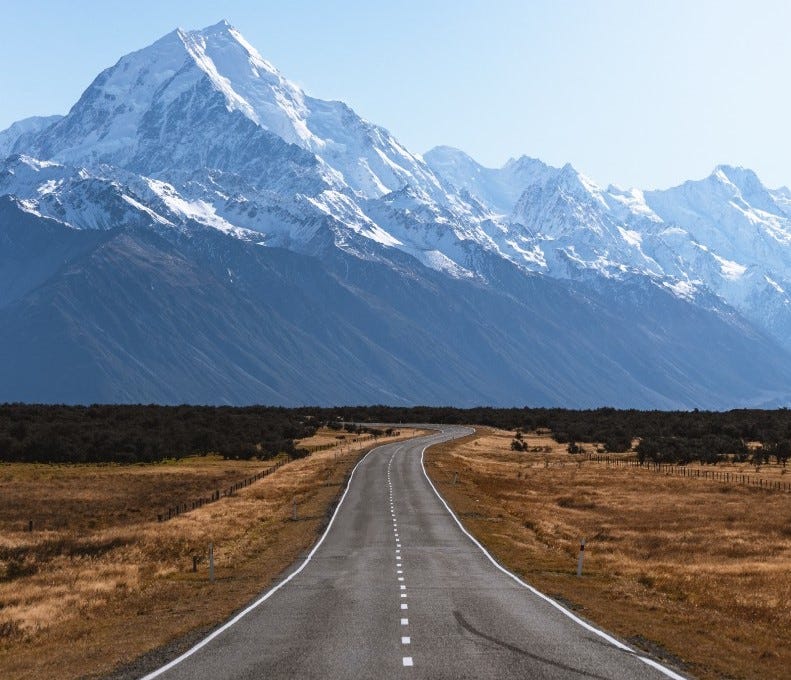
Photo by Casey Horner on Unsplash

Over the last 24 hours, the news around the world was flooded with the headline that claimed: “New Zealand has won its battle against COVID-19 community transmission”.
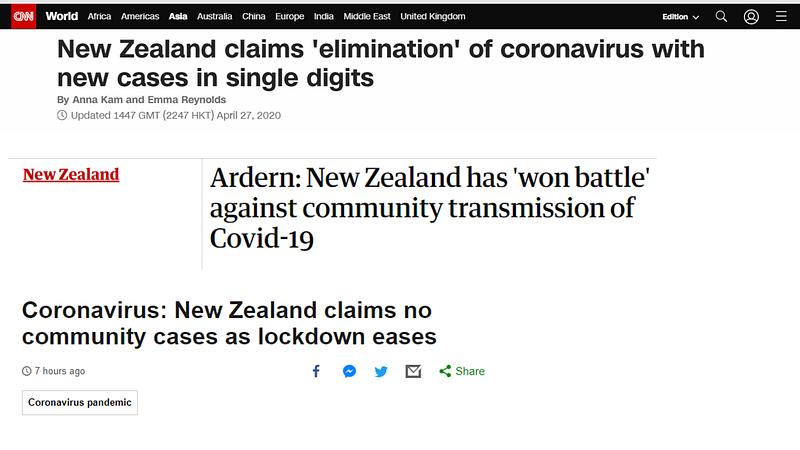
News headlines from CNN, The Guardian, BBC.

New Zealand implemented its strictest lockdown, arguably strictest in the world, since 26th March 2020, when there was only 283 total confirmed cases. Five weeks later, the strictest lockdown is now released on the 28th April 2020. Finally, I survived the strictest nationwide lockdown.

As an international student who is currently studying in New Zealand, allow me to share with you how strict is New Zealand lockdown. I assure you New Zealand’s lockdown is nothing like other countries.

New Zealand is practising physical distancing to its strictest definition.

How often can I order takeaway meals?

No, you cannot order takeaway meals during the strictest lockdown. This is arguable the biggest difference in lockdown between New Zealand and other countries. Food delivery companies had to shut down. The strict lockdown represents an unprecedented effort and determinant to eliminate the transmission at all cost. The strictest lockdown in New Zealand is even unrivalled by the Chinese government as my friend from Wuhan, China posted pictures of takeaway meals during the Wuhan lockdown.

“Oh no, I can’t cook!” — Friend.

“Sorry, you have to learn or survive with sandwiches and instant meals.” — Me.

Can I buy toilet papers and Nintendo Switch through E-commerce sites?

I can buy toilet papers because toilet papers are essential. However, I cannot buy Nintendo Switch because it is non-essential. How did this work?

First, not all E-commerce companies were allowed to operate. The K-Mart and Target equivalents in New Zealand were not allowed to operate.

Second, only some E-commerce companies were allowed to operate, such as the Amazon equivalents in New Zealand. However, these companies were only allowed to sell essential items such as food, household items and hardware for distant working (laptops, printers, scanners, fax machine, etc.) only.

“Go get yourself a Nintendo Switch and join me in Animal Crossing!” — A friend from the USA.

“E-commerce companies are not allowed to sell Nintendo Switch at the moment. No Animal Crossing for now, sorry.” — Me.

Can I use the postal service?

Since we are practicing physical distancing, we are not allowed to post anything. All incoming mails and couriers were halted except what was delivered by approved E-commerce companies that sell essential items. This is a way to minimize the workload of our postmen, hence minimizing contact with items that were touched by others.

“My parcel from AliExpress is not going to arrive until the lockdown is over.” — Me.

Can I buy things physically from a convenience store or a supermarket?

Yes, I can but there is a catch. Convenience store and supermarket were operated on a one-in-one-out basis. Depending on the surface area of the store, the number of customers allowed inside the convenience store and supermarket was fixed. All stores had installed at least one hand sanitizer by the main entrance and everybody was encouraged to use the hand sanitizer before entering the store.

“There was a long queue outside the supermarket. I spent 30 minutes queuing outside the supermarket!” — Friend.

“The government encouraged us to do online shopping.” — Me.

What if I fell sick (not COVID-related)?

Unfortunately, there is no physical doctor consultation except for an emergency. We have to call in to book an appointment with a doctor and the doctor will provide consultation via phone. I’d say this is the worst experience ever especially when I cannot communicate my symptoms properly as I think I probably had strained my muscle during my exercise.

“Err…. Doctor, I am feeling some pain around my left butt… Have some difficulty lifting my left leg to 90 degrees when I sit on a chair.” — Me awkwardly describing my pain to a doctor over the phone.

I can still go to the pharmacy. However, I was not allowed to walk into the store physically. The pharmacists will grab what we need for us so that we never touch the products on the shelves.

When can I go out?

The message from our Prime Minister is clear. If we are not essential workers and are not going to the convenience store, supermarket or exercise, then “stay home. The message is just as simple as that. Clear and concise. No grey area. The once vibrant street became a street with queues outside a few supermarkets and nothing else.
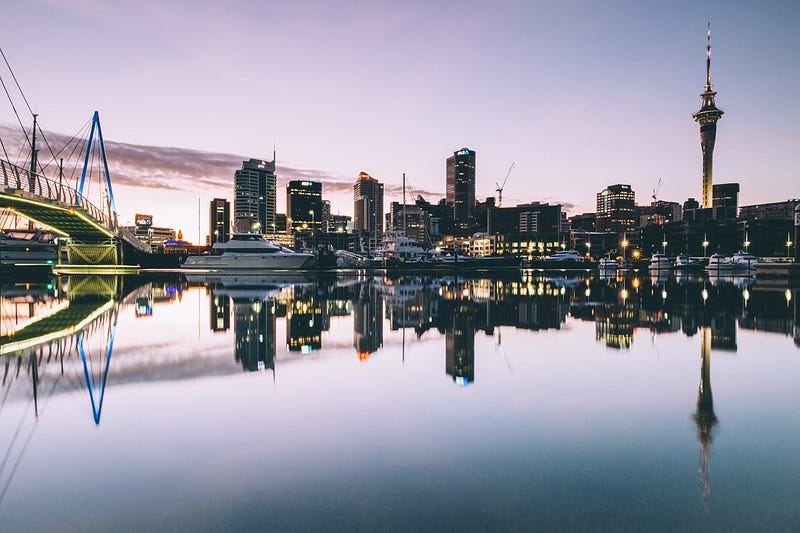
Photo by Dan Freeman on Unsplash

Concluding Remarks — New Zealand’s Strict and Quick Response Safe Lives.

The biggest difference between New Zealand and other countries is that New Zealand only allowed what is truly essential to operate and minimize the contact with people as well as the contact with inanimate objects (since we know the virus can be viable on surfaces for a few days). New Zealand’s lockdown protected not only all the white-collars but also many of the blue-collars as well. Our government wants as many blue-collars to stay home too, not risking their lives selling food, delivering food, delivering Nintendo Switch, etc. New Zealand is practising physical distancing to its strictest definition. This is the best New Zealand can do to its people and is arguably one of the reasons why New Zealand has been so successful in containing the virus.

New Zealand has long been famous for its strict biosecurity to protect its land from non-native biological objects. For example, you cannot bring in any fresh fruit or fresh meat into the country. Even if you have a piece of outdoor equipment that is not properly cleaned, such as boots stained with soil, you will be fined at the border.

Now, New Zealand is doing the same with the virus. Entry to New Zealand’s border was restricted when there were just less than 10 confirmed cases. New Zealand’s new cases peaked at 89 per day in 2nd April 2020, and now New Zealand has only less than 10 new cases per day since 19th April 2020 with only 289 active cases out of 4.8 million population at the time of writing.

New Zealand never hesitates to protect its people. I feel safe living in New Zealand.

New Zealand
Covid-19
Lockdown
Lifestyle
Covid Diaries
Recommended from ReadMedium