
New Year 2024, Please follow these 10 ways to Love Yourself!
To love oneself is the beginning of a lifelong romance.

“To love oneself is the beginning of a lifelong romance.” However, many people are confused about how to truly love themselves. Buying something for yourself? Constantly challenging and striving for a better self?
In my opinion, self-love involves acceptance, respect, love, care, satisfaction, and the promotion of self-perfection.
Love is the willingness to expand the boundaries of one’s self and to improve others’ mental maturity.
Based on my understanding of the topic of loving yourself and my experience in comprehensive clinical consultation, I will give you 10 ways to love yourself.

1. Take care of your body
Haruki Murakami says that the body is your temple. 【100000000000000000】 Health is 1, and everything else is 0. Without 1, no amount of zeros will matter.
To love yourself, first, take good care of your body. In the New Year, if you can stick to a regular schedule, healthy diet, exercise, and stabilize your mood, it is easy to have a good body.
Our monthly healthy flow and lifetime healthy flow is limited, it needs us to allocate reasonably. But the premise is that we must first understand our own body and be aware of what state our body flow is in this month. ,
Therefore, if we want to take better care of our bodies, we need to establish a connection between our body and mind.
Do you know your body?
Are you sensitive and aware of your body?
Can you feel pain and stiffness in any part of your body?
Do you know how to relax your body?
When you are tired, can you make yourself stop and rest?
You can take good care of him through meditation, yoga, sports, and other ways to help yourself reconnect with your body, listen to his voice, and learn not to overuse your body.
Take good care of your body, it is the greatest wealth in your life!

2. Regulate your emotions
To love yourself is to know how to regulate your emotions.
Be aware of your emotions daily. See if you spend more time each day in positive emotions such as happiness, joy, calm, and gratitude, or negative emotions such as anger, anxiety, worry, and resentment.
To manage emotions, we must first know how to identify our emotions and name them, is it anger, or anger? Hurt, lost, depressed, guilty… ?
After that, you also need to figure out what is causing your negative emotions.
Addressing the problem for different reasons can be targeted and help you relieve your emotions more effectively.
At the same time, you can channel and vent your emotions by talking and being listened to, for example, find friends who understand you and talk to psychological counselors.
You can also regulate and vent your emotions through deep breathing, exercise, punching pillows, and Shouting in a place where no one is.
Don’t fight and avoid your negative emotions, the more you fight and avoid your negative emotions, the more and worse your negative emotions will become.
When you have a negative emotion, you can also do a small exercise like this: close your eyes, keep breathing deeply, feel your emotions, see where these emotions are piling up on your body, and then put your hand on this part, feel it, see it, and also tell yourself, “I feel sad/angry/afraid… (To name emotions) “.
There is always a lot of pain in life that cannot be avoided, negative emotions are like clouds on the horizon, coming and going.
If you allow yourself to be with the negative emotion, accept it, see it, and let it flow freely through your body, you will find that the emotion is not terrible, it will come and go.

3. Respect yourself
Self-esteem and self-love are often linked together, a person who loves himself must learn to respect himself, a person who does not know how to respect himself is difficult to exchange others for his respect and love.
The first step in learning to respect yourself is to respect your feelings. Your preferences and feelings are important. They are not right or wrong. Don’t sacrifice your true feelings to please or please others.
Love yourself and respect your wishes. People who love themselves respect their voice and will, live according to their ideas and values, live for themselves, not for others, and will not criticize themselves, embarrass themselves, or aggrieve themselves because of the eyes of others.
Ask yourself, in the New Year, what would I do if I respected myself more?

4. Put your own needs first
When a girlfriend broke up, her boyfriend told her that he hoped she would put her own needs first. Because in the relationship, she often puts the needs of her boyfriend, the needs of friends, and the needs of her family in front of her, ignoring her own needs. Please others, wronged themselves, the final result is in exchange for their own physical and mental exhaustion, as well as the relationship in the overwhelmed.
Loving yourself means valuing your own needs. Because to you, you are important, and your needs are important. If you don’t value your own needs, no one else will either. If you don’t take your needs seriously, no one else will either.
In our culture, women often exist as caregivers, playing the role of sacrificing their own needs to meet the needs of others. This is unfair to women, but many of us take it for granted.
Therefore, for individual women, to learn to pay attention to their own needs, and put their own needs before them, this is not selfish, but self-love.
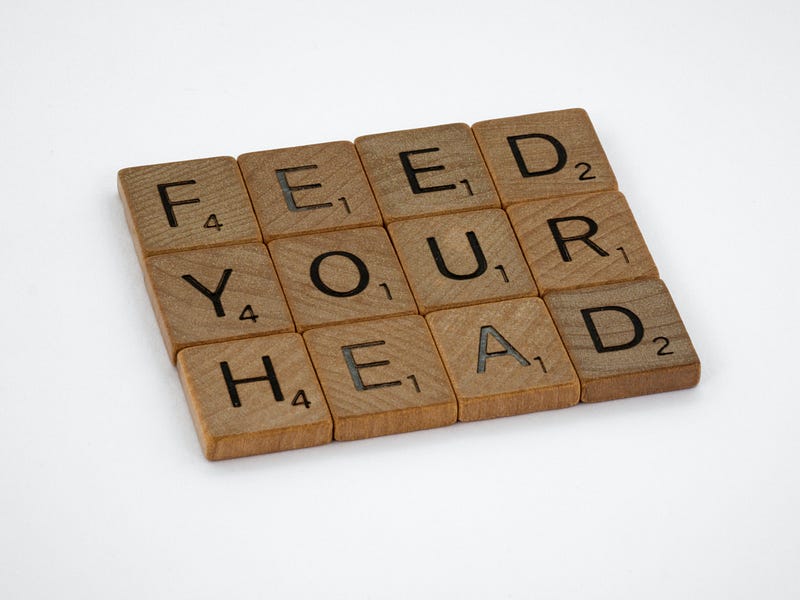
5. Learn to meet your own needs
Pay attention to their own needs, but also know how to meet their own needs.
Many women in the relationship used to be weak, and dependent, but also picky, blame, and hope for each other to meet all their needs, waiting for others to meet their own. The result is bound to be hurt and disappointment because no one can meet all your needs.
When a woman no longer places the hope that her desire will be satisfied on others, from passively waiting for others to give to actively choosing their own to satisfy themselves, love themselves, and completely rely on their actions to meet those inner desires, she will feel happy, and this happiness is not short and fleeting, but can last for a long time. Because it’s not a feeling, it’s an ability that grows in the body.
Self-satisfaction is an ability and an important manifestation of self-love.

6. Be self-caring, not self-critical
Take care of yourself in times of difficulty, frustration, and pain, instead of criticizing yourself.
What is self-care? Self-care is “an open, accepting, and non-judgmental attitude toward personal shortcomings, inadequacies, and frustrations.”
In Embracing Your Depressed Feelings: Nine Mindfulness Techniques for Self-Healing, the authors say, “How you treat yourself in a moment of pain largely determines your level of pain.” If you criticize yourself, you will hurt more. If you are kind to yourself and remind yourself that you are human and not alone, painful emotional experiences will be less likely to hurt you.”
How to do self-care?
Kristin Neff, author of The Power of Self-Care, says that a core part of self-care involves three things: being kind to yourself, sharing your humanity, and being present.
To be kind to ourselves means to understand ourselves in a loving way, rather than harshly criticizing and accusing. Common humanity means that we need to feel connected to the experience of life with others, rather than isolated and isolated by our pain. Being present means having an objective and balanced awareness of our experience, neither ignoring nor amplifying the pain.
So how do you do that? For example, when we feel very uncomfortable, or very painful, or hope to calm and comfort ourselves, we can give ourselves a gentle hug and say some gentle and soothing words to ourselves. Tell yourself that this is a part of life and a problem that many people have. Then ask yourself, what can I do to make myself feel better?
Self-care will empower you to move past negative emotions faster and help you face life in a state of integration.

7. Say no to things, things, and people that consume you
Your time, money, and energy are precious resources and should be used to develop yourself and invest in things, people, and things that will nourish you, not wasted on things, people, and things that will consume you.
Don’t be a good guy, and don’t promise if you don’t have the time and energy to help; Unhealthy interpersonal relationships are removed and cut off in time; Also, guard your property safety and don’t easily lend your earned money to people who are not that important to you.
Know how to subtract, streamline your life, socialize at a low density, and reject unnecessary consumption, and you will live a lighter and happier life.

8. Hold yourself accountable
A person’s joys and sorrows, a person’s happiness and growth, a person’s self-value establishment, in the final analysis, are their responsibility.
Those who shirk their responsibilities are bound to lose themselves and lose control of their lives.
When we do not want to be responsible for all of our own, and hope that others will bear the disappointments of life, the external expression is to live in the drama of the victim: it is my parents who have treated me like this since childhood, and I have been miserable; My partner has been bad to me, hurt me; Is the child rebellious disobedient, let me pain sad; It is my in-laws, neighbors, colleagues who have been bothering me, giving me trouble…
If we become more mature, if we change fundamentally within ourselves, if we move from victim mode to self-responsibility mode, taking responsibility for what happens to us, and taking the initiative to create the life we want, we become stronger, more powerful, and we can create a better present and future for ourselves.
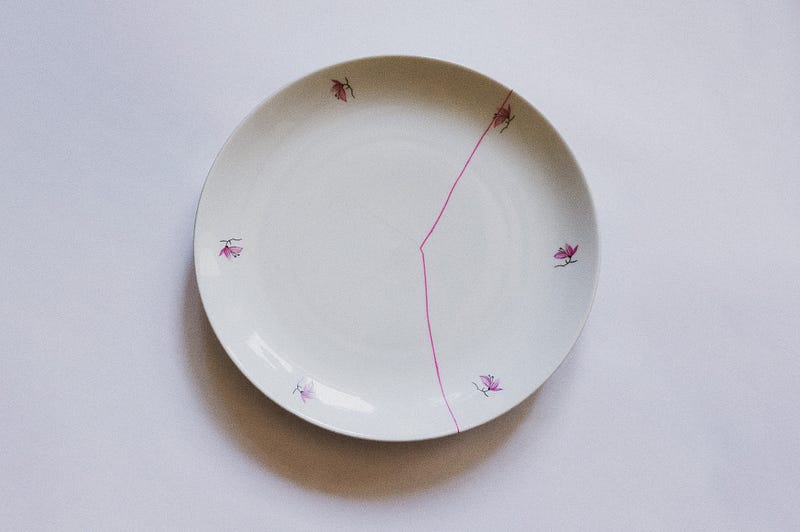
9. Accept your imperfections
A person who can admit and accept their shortcomings with a peaceful mind, but not self-loathing, self-loathing, is to accept themselves and love themselves. For example: “I am a little fat, but I am physically and mentally healthy. I feel like I’m generally in good shape, but if I want to lose weight, it’s because I want to see if I can be consistent and disciplined.”
Reality is imperfect, all of us are imperfect, but an imperfect self does not mean “I am bad.”
Practicing self-recognition and developing an “I am good enough” heart is loving yourself.
Loving yourself is accepting your imperfect self in reality, acknowledging that it is part of your true self, and moving forward with that imperfect self.

10. Stick to the long term and constantly improve yourself
Break through limitations, unlock potential, and embrace a more complete version of yourself
To love oneself is to accept the self as it is, and to insist on pursuing the ideal self.
People always overestimate what they can do in a year, but underestimate what they can do in ten years.
Pursue the ideal self with a long-term attitude, learn to be friends with time, and allow yourself to take your time.
When you encounter difficulties and setbacks, give yourself a little more patience and space.
Not now, maybe later. This road doesn’t work. Try another one.
Setting the right goals for yourself and working towards them little by little will make you feel more confident about yourself. The process of achieving your goals and dreams is also the process of improving yourself, breaking through limitations, unlocking potential, and embracing a more complete version of yourself.


