
“New to this world”: the peculiarities of startup branding
Companies come to branding at very different stages of the brand life cycle. But when a brand is just being created, a startup is born, and with it comes the question — is branding even necessary at such a stage?
A startup is finding a sustainable business model with frequent changes in target audience, product functionality, rational and emotional benefits, and communication methods. In most cases, a startup is created and developed within a set of hypotheses, which is why 90% of startups close down in the first year of operation, investors and founders lose money, and potential projects are never introduced to the market due to a lack of investment.
Can branding somehow help in such situations?
To answer this question, let’s look at how the startup development model is built in general. There are usually several stages:
– idea – release, MVP creation – pivots – goal achievement
Based on the established business model, most startups always prioritize only one thing — speed. As a result, startup development is chaotic. It is often reduced to a series of “turnarounds”, after which startups either close down (most often), achieve rapid growth and skimming strategy, and then are absorbed by interested corporations or disappear from the market.
And since there is usually always a question of financing, all marketing is often reduced to simply stimulating sales and awareness and also to creating a minimum number of elements of corporate identity. There is no time left for branding, as you realize.
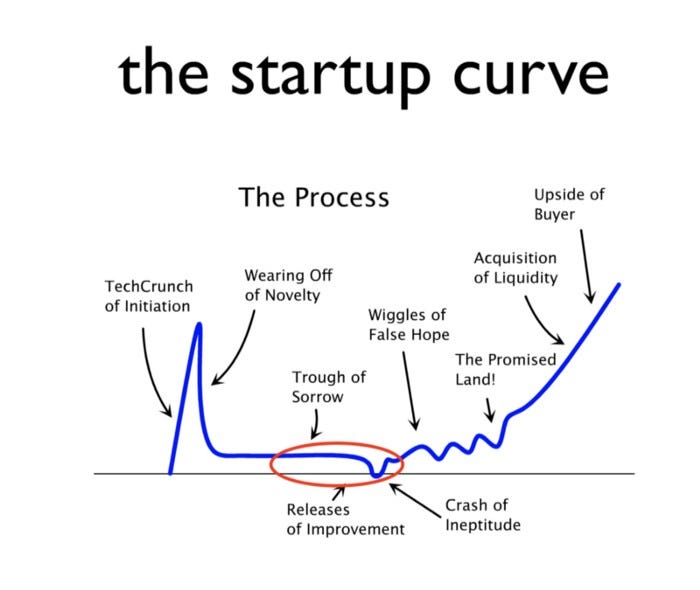
Let’s look further at the startup life cycle model. At the Pre-Seed stage, companies usually do not invest in branding — this is due to the lack of a clear product offer. At the Seed stage, as already mentioned, digital marketing often comes into play, but efforts here are focused on lead generation rather than brand awareness. Only by the Series A stage do startups get to work with brand positioning (according to Exploding Topics statistics, this is 20%), and more attention is paid to brand awareness (16.7%). That is, the driver of full-fledged brand development is the market entry and organization of serial production.
Here lies the main mistake of startups: full-fledged work with the brand of a new product should begin at the MVP development stage, as it is important to be emotionally attuned to the target audience at an early stage. According to the E. Rogers model Diffusions of Innovations, the first users are “innovators”. They have the lowest level of loyalty to products and quickly switch between novelties, but the “innovators” ensure rapid product distribution. Therefore, branding is also important from the consumer point of view.
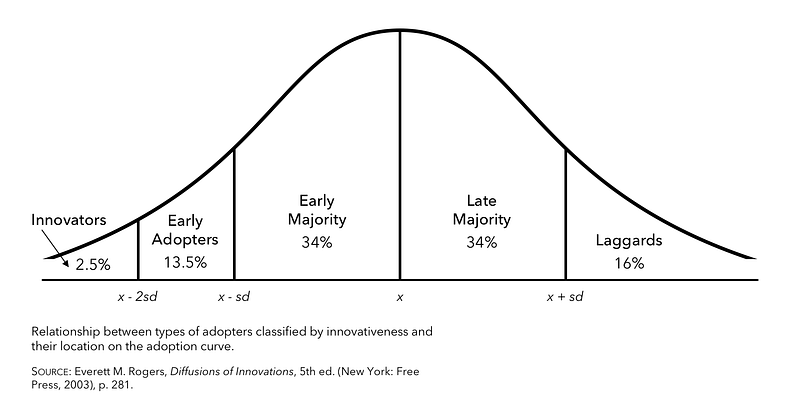
Therefore, several important points already emerge from this: branding must be a timely decision in the initial stages to establish itself in the minds of consumers at an early stage — and this can be done through a systematic brand strategy.
Rogers’ model clearly shows that adopting any innovation is gradual, but it doesn’t always help budding entrepreneurs understand how to use the scheme in practice. This entails mistakes in identifying the target audience, ineffective investments in communications, exhaustion of investment funds, and often the demise of the startup.
The question of when branding should be started has been dealt with. Question number two: how elaborate should the solution be?
Of course, it is worth considering the often very limited set of resources here.
According to Failory, great branding for startups consists of four critical components — promise, story, background, and visual identity.
Promise and positioning: What does your product do? This is the promise you make to your customers or users about what they will get from using your product or service. A formed promise is usually reflected in the positioning, and will already help to engage the consumer early on. It will also be a good foundation for building the brand platform later on.
Story: What is the backstory of a startup? Nowadays, a legend, a catchy story or an emotional narrative about the journey and hardships of development is gaining popularity. It’s a story that helps customers better understand the products you offer and why they should use them.
Background: What drives the startup and the team? Knowing the startup’s story, including who founded the company, when it was launched, and what inspired it, will help potential customers gain a deeper insight into the brand. This is also part of the brand strategy and influences building an emotional connection with the consumer.
On the plus side, it also automatically affects the development of a communication plan as well, allowing all elements to come together and cohesively present the brand.
Visual Identity: What is your brand's name, look and feel? This includes everything from logos to color schemes, typography, and design elements — all of which should align with the startup’s brand values. How elaborate to make it: it’s important to focus on the core “constants” of brand identity, and you can scale this with other elements or mediums later.
Examples
Robinhood — Include Everyone
The stock market is a scary and extremely complex thing. Few people have participated in it in the past. And those who have participated may have even hired someone else to do it. Robinhood entered the arena with the slogan “investing for everyone”.
How did the branding work here?
First, a strong strategy and differentiation from competitors in the semantic message. It’s the same investing, but the brand has built its image by playing in the territory of accessibility and opportunity for all by finding that niche. Ordinary people can now trade stocks on par with the best of them.
Secondly, they made a call — and being a brand-challenger, that too is a strategic decision. And this was reflected in the naming, positioning, and identity. They put the consumer’s problem at the center and solved it while beautifully packaging that into a brand strategy.
Robinhood is now valued at $11.2 billion, and the startup is only growing.

Ostro — a brand whose identity was inspired by a construction set
Ostro is a life sciences software company that helps consumers and providers navigate the complex healthcare system. In researching and analyzing the company, it was learned that at its core, Ostro is a technology that connects and connects patients, clinicians, and life sciences companies.
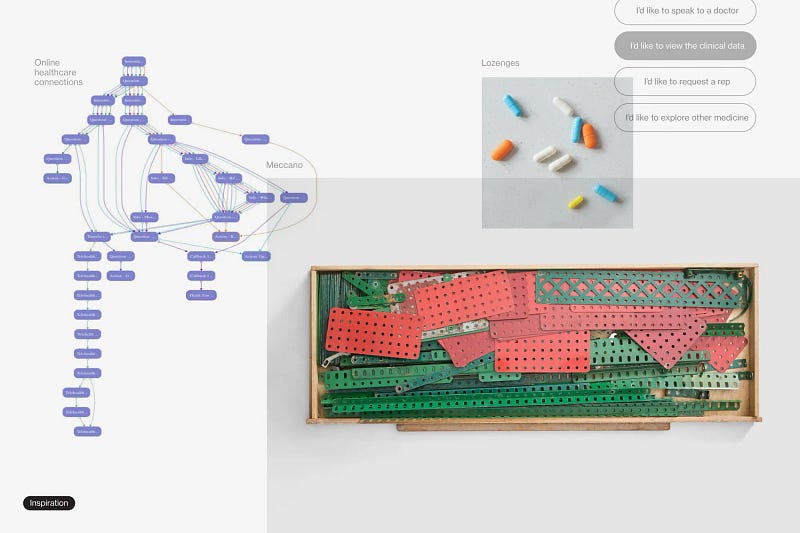
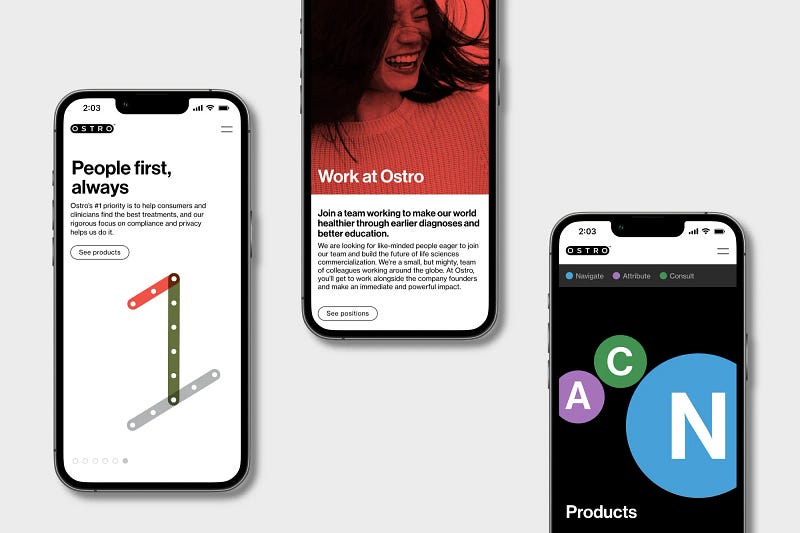
How did the branding work here?
As a result of working on the brand, a very interesting insight was found: the concept of connections between doctors, consumers, and the healthcare system as a whole are like pieces of a construction set that fit together. Thus, the brand’s identity and brand platform are built on the meaning of connections and links, which is reflected in the visuals in a modular rhombus, similar to Meccano, with a corresponding graphic language that extends the language of the logo.
The result was the creation of associational connectivity and meaning, and the startup raised $45 million in Series B funding in 2022.
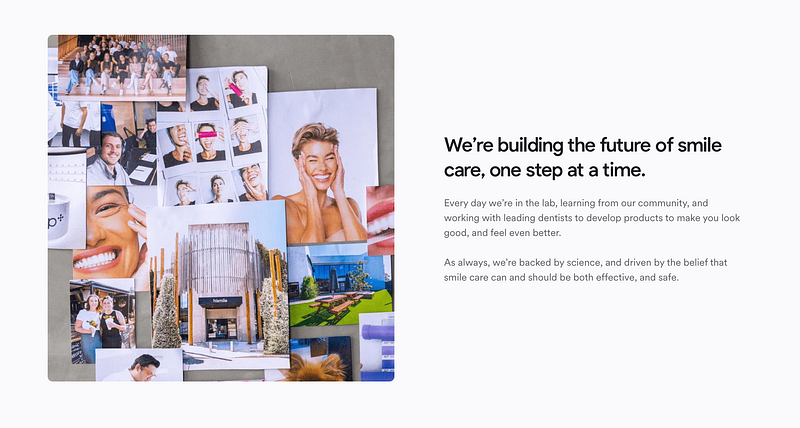
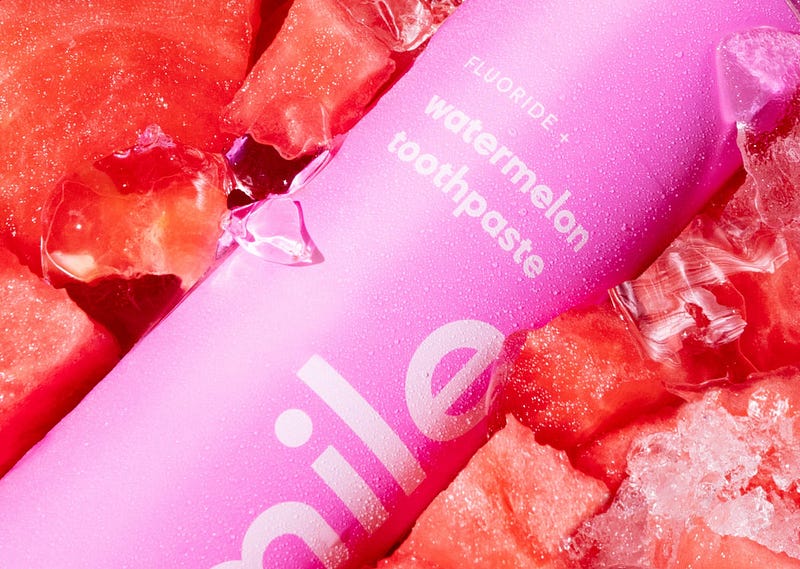
Hismile — a brand that dispels myths about whitening.
A seemingly whitening toothpaste. But how well the brand strategy worked there: from the clear mission statement, dispelling consumer pain points, to the unusual, stand-out packaging and sincere, bright tone of the communication. All of this is the merit of well-done, in-depth research and analysis, finding brand insight, and building off competitors. The reception with packaging, CA portraits, and community building are the merits and results of working branding.
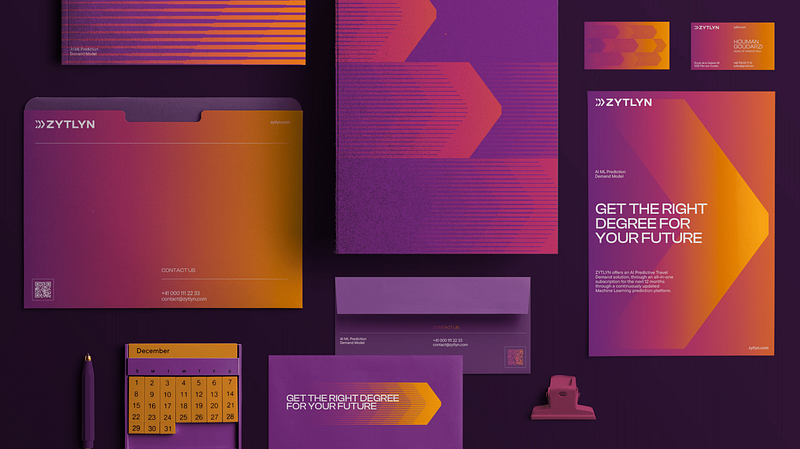
Our agency also works with startup branding — a recent project was AI ML startup Zytlyn.
In a complex field and B2B segment, building an emotional connection and brand yourself is difficult. However, the audience insight found was that companies didn’t know how to transform volumes of data for their solutions, while Zytlyn’s brand insight was that they help brands find that path, tense them up.
So, we found the image of a “data compass for navigating the future”, on which we built the brand positioning and brand identity. This helped the startup to finally make a serious statement about itself and build itself up on the market in a difficult niche.
What are the conclusions to the bottom line? Let’s keep it short and simple:
– create a product – invest in branding – if you haven’t done it before, you better find a resource to invest in branding. It will more than pay off in the future.
For more interesting cases or opportunities to work together, you can follow us on our Instagram or check the website.


