
Marijuana May Help the Aging Brain
New Research Suggests That Marijuana May Reverse Aging in the Brain
Studies examining a low dose cannabinoids may prevent or reverse cognitive changes that occur due to aging.
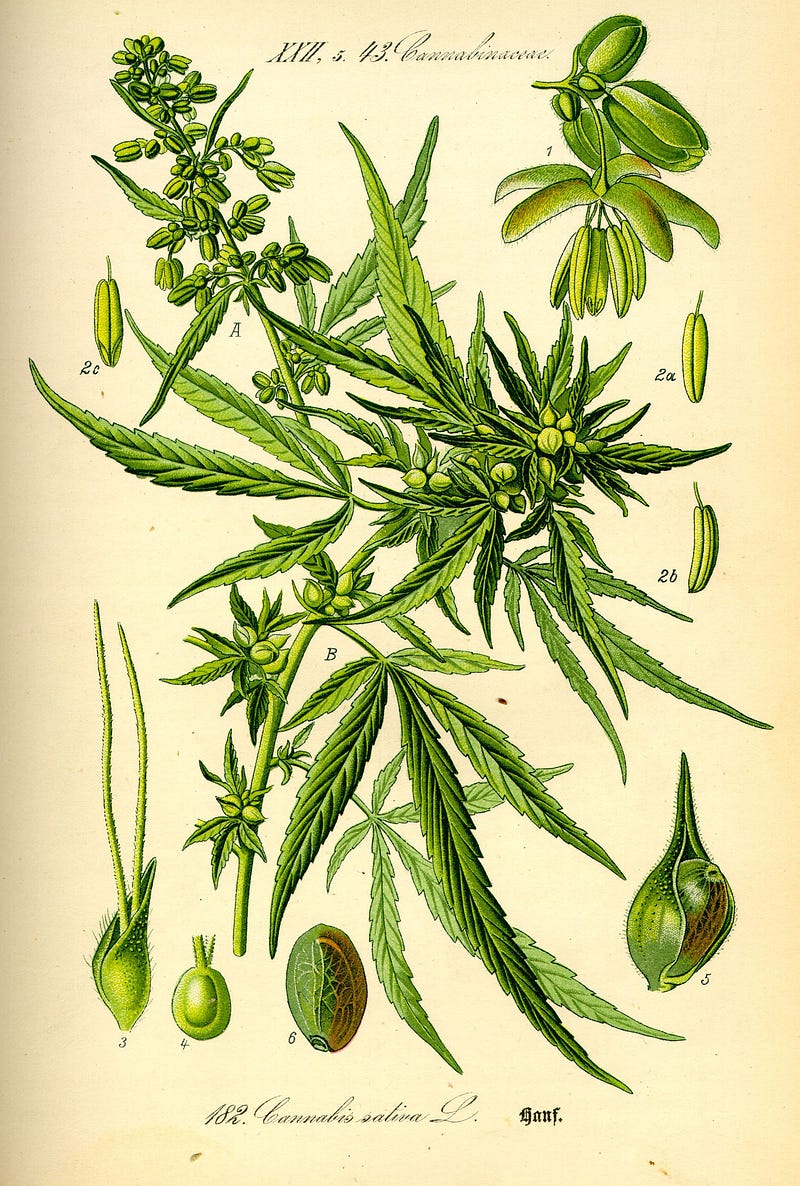
The image of the stereotypical young pot smoker is someone who is dazed, confused, muddled with no motivation to do much of anything. Marijuana has long been known for its psychoactive effects, which can include short term memory loss, problems with attention and concentration and general cognitive impairment.
But now research indicates that the active compound in marijuana may affect older users differently than younger ones. As opposed to leading to learning impairment, memory problems and a general cognitive deficit, the drug may actually reverse age-related cognitive declines in executive functioning.
Animal Studies
Since the marijuana legalization movement began the results from research studies that suggest the potential health benefits of marijuana have been surfacing regularly. One of these indicates that THC, the active ingredient in cannabis products, may turn back the clock on aging in the brain.
The study is based on the knowledge that the brain’s endocannabinoid system (which houses the receptors that THC binds to) is related to aging in the brain and it’s decline. The older we get, the more this system slows down and the fewer naturally occurring endocannabinoids our brains produce.
While it’s not entirely certain what the effects of this decreased activity are, there is evidence from animal models to suggest that it’s related to memory loss and decreased learning ability.
It was hypothesized that if it were possible to recharge the system and increase its activity, then it might be possible to reduce or even reverse cognitive slowdown and possibly even affect the physiological determinants of dementia.
In one innovative study, marijuana was shown to reverse aging processes in the brains of mice (Sarne, 2019). Older animals that showed memory loss and other brain related problems due to age, were given low doses of Δ9-tetrahydrocannabinol (THC), the active ingredient of Marijuana. The brains of the treated mice were shown to regress to a state that would be seen in two month old mice.
When they studied the brain tissue and gene activity of the mice after being given daily low-dose THC treatment, they found that the genetic makeup no longer resembled that of old mice. Instead, it appeared closer to what was found in very young mice. These mice were also found to have increased nerve links in their brains, which is associated with learning and cognitive speed.
In this study, mice aged 12 to 18 months old were given a low daily dose of (THC). After only four weeks, the treated mice displayed behavioral signs indicating a reversal of aging related cognitive impairments including learning and memory and learning difficulties.
When examining the brain tissue of the treated mice on a genetic level, the behavioral changes were determined to reflect real neurological changes at a molecular level. Conversely, the mice who received placebos continued to display age-related declines in performance reflecting the normal aging process.
Small Scale Studies With Humans
Many aspects of our physiology exhibit cyclical daily rhythms which are known as circadian rhythms. Research examining aging in humans indicate that these physiological patterns are not consistent throughout the life-span. The simultaneous occurrence of disrupted circadian rhythms and age-related impairments indicates the possibility of a shared mechanism, which may be something that therapeutic interventions can target.
Recently, the endocannabinoid system has been revealed to be a complex signaling network. It appears to regulate numerous aspects of circadian rhythm physiology especially those that are relevant to the neurobiology of aging (Hodges, & Ashpole, 2019).
Several lines of evidence now suggest that very low doses of cannabinoids can help prevent or even reverse some of the effects of aging on the brain. At the same time earlier studies have demonstrated that marijuana is effective at decreasing brain inflammation while improving cognition and can help to control chronic pain. It’s possible, if these findings hold up in human populations we might be one step closer to finding a treatment to stop and potentially reverse the symptoms of dementia.
One potential explanation for these findings is that these drugs exhibit hormesis. Hormesis is a biphasic response wherein a low dose has a beneficial effect and a high dose has an inhibitory or toxic effect. Therefore, it is important to determine the dose, age, and time dependent effects of these substances on the regulation of circadian rhythms and other processes that may be altered in aging. If the beneficial properties of cannabinoids are confirmed, wide spread intervention studies using these substances can be conducted. The effects on circadian clock regulation and other possible benefits on multiple aspects of physiological aging could be examined to determine the real effects on people’s lives.
State of the Research
Full human trials are not yet in the works, as more studies need to be done to determine the safety of the long term use of cannabinoids and their potential undiscovered side effects. Clinical studies would then need to be done to to help determine whether low-dose THC will have the same effect on humans as on mice and, if so, under what conditions and at what dose.
Additionally, given the low dose used for this study, and the probable hormesis effect, using marijuana for recreation will not improve memory. Furthermore, if the hormesis effect does prove true, regular recreational use of marijuana may have inhibitory effects on the brain, further contributing to cognitive declines in learning, processing speed and memory.
Conclusions
While full scale human trials may not yet be in the works, the findings from these studies may bring us one step closer to understanding and treating normal and abnormal aging related changes to the brain. Subsequent research could eventually open up a range of new options for treating and possibly reversing brain aging in humans. Should support be found for the use of the active agent in cannabis for aging related memory problems, it could provide hope for those suffering from dementia, most cases of which are currently progressive and irreversible.
References
Hodges, E. L., & Ashpole, N. M. (2019). Aging circadian rhythms and cannabinoids. Neurobiology of aging.
Sarne, Y. (2019). Beneficial and deleterious effects of cannabinoids in the brain: the case of ultra-low dose THC. The American journal of drug and alcohol abuse, 1–12.
Natalie C. Frank had a Ph.D. in Clinical Psychology. She specializes in Pediatric Psychology and Behavioral Medicine.

If you enjoyed reading this article, you might also like these:
You can find links to my other work on Medium and follow me here. Thanks for reading!


