avatarCendrine Marrouat

Free AI web copilot to create summaries, insights and extended knowledge, download it at here

2320

Abstract

inemedia.com">Cendrine Marrouat</a></figcaption></figure><blockquote id="d588"><p>Oceanside stacked rocks look almost pensive.</p></blockquote><p id="2204">©2019 Cendrine Marrouat</p><h1 id="16b9">What Is the Haiku?</h1><p id="d5fb"><a href="https://www.merriam-webster.com/dictionary/haiku">According to Merriam-Webster</a>, “A haiku is an unrhymed Japanese poetic form that consists of 17 syllables arranged in three lines containing five, seven, and five syllables, respectively. A haiku expresses much and suggests more in the fewest possible words. The form gained distinction in the 17th century, when Basho, a Japanese poet considered the greatest practitioner of the form, elevated it to a highly refined art. It remains Japan’s most popular poetic form.”</p><p id="71b4">However, the 17-syllable pattern is a “mistranslation” of what happens in Japanese. As a matter of fact, Japanese poets count in <i>onji</i> (“phonetic sounds or units.”). In his excellent book titled <a href="https://amzn.to/2XyeKsN"><i>The Haiku Handbook</i></a>, William J. Higginson states that the 17 onji of traditional haiku are about 12 syllables in English. Other books talk about the number of words, and recommend sticking to 8–12 words.</p><p id="92c1">So, if you feel constrained by the 5 / 7 / 5 syllable pattern, try different combinations. My haiku often have 4 / 6 / 4 or 3 / 5 / 3 syllables. Have fun!</p><p id="e588">A traditional haiku usually follows this pattern:</p><ul><li>Image 1 (line 1) with a seasonal reference, which ends with a punctuation mark (e.g. dash, period, semicolon, comma).</li><li>Image 2 (lines 2 and 3) with a twist / surprise at the end.</li></ul><p id="844f">A good haiku requires several readings to unleash its meaning. Do not explain anything. Let your images do the talking.</p> <figure id="ab81"> <div> <div> <img class="ratio" src="http://placehold.it/16x9"> <iframe class="" src="https://cdn.embedly.com/widgets/media.html?src=https%3A%2F%2Fwww.youtube.com%2Fembed%2FZf4CSYgsfhw%3Ffeature%3Doembed&amp;display_name=YouTube&amp;url=https%3A%2F%2Fwww.youtube.com%2Fwatch%3Fv%3DZf4CSYgsfhw&amp;image=https%3A%2F%2Fi.ytimg.com%2Fvi%2FZf4CSYgsfhw%2Fhqdefault.jpg&amp;key=a19fcc184b9711e1b4764040d3dc5c07&amp;type=text%2Fhtml&am

Options

p;schema=youtube" allowfullscreen="" frameborder="0" height="480" width="854"> </div> </div> </figure></iframe></div></div></figure><h1 id="1065">Other Posts in My Series</h1><div id="9f68" class="link-block"> <a href="https://readmedium.com/so-you-think-you-cant-write-poetry-efd68340c02"> <div> <div> <h2>So You Think You Can’t Write Poetry?</h2> <div><h3>Think again, you actually can</h3></div> <div><p>medium.com</p></div> </div> <div> <div style="background-image: url(https://miro.readmedium.com/v2/resize:fit:320/1*JqsHWFQ1EFCD3mgBV2WIbg.jpeg)"></div> </div> </div> </a> </div><div id="33e4" class="link-block"> <a href="https://readmedium.com/discover-the-flashku-3331cc47a1d7"> <div> <div> <h2>Discover the Flashku</h2> <div><h3>Or poetic flash fiction…</h3></div> <div><p>medium.com</p></div> </div> <div> <div style="background-image: url(https://miro.readmedium.com/v2/resize:fit:320/1*PJ78tPBRmBudEt6B3Bd4jg.jpeg)"></div> </div> </div> </a> </div><p id="ff47"><b>That’s it for today!</b></p><p id="13ea">My new book is out! <i>In Her Own Words </i>is a collection of short stories and flashku told<i> </i>from the point of view of women at different stages in their lives. Available everywhere ebooks are sold!</p><div id="7d5e" class="link-block"> <a href="https://creativeramblings.com/her-own-words/"> <div> <div> <h2>In Her Own Words: A Collection of Short Stories and Flashku | Cendrine Marrouat - Artist</h2> <div><h3>A collection of eight contemporary and emotionally gripping stories told from the point of view of women at different…</h3></div> <div><p>creativeramblings.com</p></div> </div> <div> <div style="background-image: url(https://miro.readmedium.com/v2/resize:fit:320/0*U-_v8TzqJyR6eJtb)"></div> </div> </div> </a> </div></article></body>

New Poetry Form: the Sixku

A 6-word poem with a twist
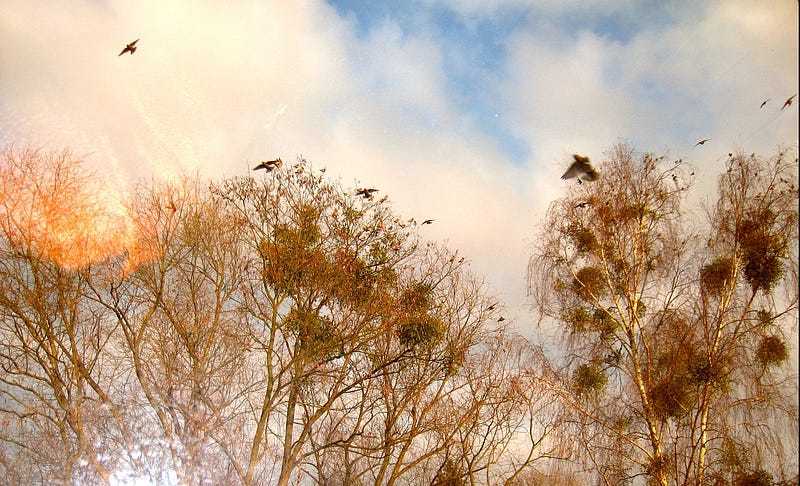
Photo credit: WhisperingJane_ASMR via Pixabay

When I discovered the Haiku in the 2000s, my heart skipped a beat. How could such a short poem be so compelling and inspirational at the same time?

I have studied and written hundreds of haiku since then.

Why am I in love with the form? Because it has taught me the meaning of the phrase “say less and show more” and how to become a more impactful writer. I would not be the writer I am today without the Haiku.

The Haiku also inspired me to create poetry forms. One of them is the Sixku.

The Sixku (pronounce ‘sis-ku’) is a six-word, untitled poem that must be inspired and contain an image. A reference to nature is encouraged. For example: season, weather, month, time of the day, etc.

Three mandatory lines: - Line 1 = idea 1 (one or two word(s)) - Line 2 = idea 2 (two or three words) - Line 3 = twist, surprise (remaining words)

A seventh word is acceptable, only if it is an article or preposition (e.g. ‘a’, ‘the’, ‘up’, ‘down’…). Do not abuse this exception, though.

Complete sentences and punctuation are optional and the use of the past tense is allowed.

NB: Make sure you have permission to use the images in your sixku. And, of course, credits are mandatory.

Examples of Sixku

Photo credit: Cendrine Marrouat

Sundown — blasting through clouds but slowly.

©2019 Cendrine Marrouat
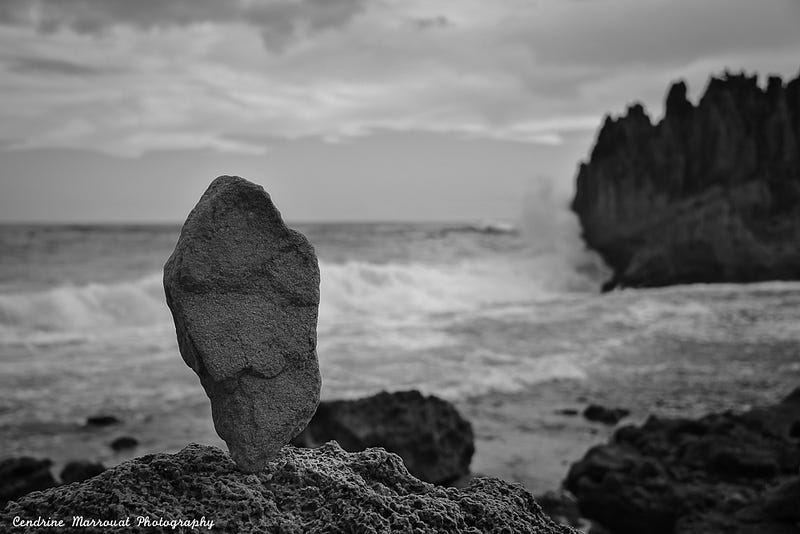
Photo credit: Cendrine Marrouat

Oceanside stacked rocks look almost pensive.

©2019 Cendrine Marrouat

What Is the Haiku?

According to Merriam-Webster, “A haiku is an unrhymed Japanese poetic form that consists of 17 syllables arranged in three lines containing five, seven, and five syllables, respectively. A haiku expresses much and suggests more in the fewest possible words. The form gained distinction in the 17th century, when Basho, a Japanese poet considered the greatest practitioner of the form, elevated it to a highly refined art. It remains Japan’s most popular poetic form.”

However, the 17-syllable pattern is a “mistranslation” of what happens in Japanese. As a matter of fact, Japanese poets count in onji (“phonetic sounds or units.”). In his excellent book titled The Haiku Handbook, William J. Higginson states that the 17 onji of traditional haiku are about 12 syllables in English. Other books talk about the number of words, and recommend sticking to 8–12 words.

So, if you feel constrained by the 5 / 7 / 5 syllable pattern, try different combinations. My haiku often have 4 / 6 / 4 or 3 / 5 / 3 syllables. Have fun!

A traditional haiku usually follows this pattern:

  • Image 1 (line 1) with a seasonal reference, which ends with a punctuation mark (e.g. dash, period, semicolon, comma).
  • Image 2 (lines 2 and 3) with a twist / surprise at the end.

A good haiku requires several readings to unleash its meaning. Do not explain anything. Let your images do the talking.

Other Posts in My Series

That’s it for today!

My new book is out! In Her Own Words is a collection of short stories and flashku told from the point of view of women at different stages in their lives. Available everywhere ebooks are sold!

Articles
Poetry In Form
Writing
Poetry Writing
Poetry Form
Recommended from ReadMedium