avatarKatharine Esty PhD

Free AI web copilot to create summaries, insights and extended knowledge, download it at here

2071

Abstract

previous two years. I could let myself take the risk of loving.</p><figure id="655b"><img src="https://cdn-images-1.readmedium.com/v2/resize:fit:800/1*GlnKiI3LULxLpZbfMzZZzw.jpeg"><figcaption>Adobe Stock resource: © jumlongch</figcaption></figure><p id="9b06">I learned about loss, grieving, letting go, and loving again not only from my own experience but also much from the 128 people in their eighties who I interviewed for my book. By age 80, we have all experienced loss. Many of us have lost our spouse. All of us have lost friends. Some unlucky ones have lost a child. We’ve lost numerous pets. And we all know that to love again is risky. Several people told me they refused to get a new dog because the thought of losing another dog was just too painful.</p><p id="cf41">To be ready to take the risk of new love, I’ve learned you need to grieve your losses one by one. One woman I interviewed told me that whenever a friend died she ‘d take what she called a ‘private retreat’ for an hour or so. She’d full remember her friend, feel her sadness and think about attributes of her friend that she would try to incorporate into her own life going forward.</p><p id="69b5">Grieving is, of course, an individual matter. There is no set timetable — it can take months or many years. But when the time is right, and you’ve grieved enough, for now anyway, you’ll let go. And return to life and love.</p><figure id="d6c6"><img src="https://cdn-images-1.readmedium.com/v2/resize:fit:800/1*TcARK_y8OAv-TihkJ8OzOg.jpeg"><figcaption>Adobe Stock resource: © Maria Sbytova</figcaption></figure><p id="4124">Mary Oliver wrote about this process in her poem <i>In Blackwater Woods</i>:</p><blockquote id="f8aa"><p>To live in this world</p></blockquote><blockquote id="8ce3"><p>you must be able</p></blockquote><blockquote id="ee32"><p>to do three things:</p></blockquote><blockquote id="7968"><p>to love what is mortal</p></blockquote><blockquote id="518b"><p>to hold it</p></blockquote><blockquote id="bd45"><p>against your bones knowing</p></blockquote><blockquote id="3249"><

Options

p>your own life depends on it;</p></blockquote><blockquote id="8d91"><p>and, when the time comes to let it</p></blockquote><blockquote id="17c6"><p>go,</p></blockquote><blockquote id="6e61"><p>to let it go.</p></blockquote><p id="7349">Once we have passed the acute grieving stage we will probably be ready to love again, to give fully — and it doesn’t have to be romantic love. Get a new pet, make a new close friend, spend more time with a grandchild, or find a new companion or partner. Experience, once again, the pleasure of loving. Know again that the greatest pleasure in life is loving another. It is not being loved by someone else. Many of us don’t learn this truth until late in life.</p><p id="5bdc">In case you’re wondering, most eightysomethings usually don’t marry their new romantic loves. Life is way too complicated by children, finances, property, and health issues. And we relax as we see that new loves do not take the place of earlier loves. They are not in competition for the same space.</p><p id="92ac">Peter and I keep separate apartments though we spend much time together. We have lots of photos of our spouses and children on our walls and we both wear our wedding rings. But for now, we are here for each other, and we are grateful.</p><figure id="8082"><img src="https://cdn-images-1.readmedium.com/v2/resize:fit:800/1*EuO2szh5b5SWPmMROOngQw.jpeg"><figcaption>Katharine, her daughter-in-law Raquel, and her new love Peter out celebrating together</figcaption></figure><p id="3423">Love is essential at every stage of life. As humans, we’re adaptable and creative in where and how we find new love. Even in the most dire of experiences, we can love. It is like the surprising flower that valiantly emerges from a pile of rocks. We can all, at every age, learn to grieve, let go, and love again.</p><p id="6330">Happy Valentine’s Day!</p><p id="32a6">Looking for more from Dr. Katharine Esty?<b> <a href="https://www.katharineesty.com/newsletter-subscriptions">Sign up on her website for her bi-weekly newsletters.</a></b></p></article></body>

New Love after Loss — A Valentine of Hope

What eighty-somethings can teach people of all ages about finding love after a loss

I’m just back from a trip to Florida with my new love, Peter. We had a week of nice dinners and leisurely joys: looking at the ocean, talking, reading, and watching TV. Of course, it was an eightysomething-style holiday… slower and quieter than vacations at earlier ages. Peter used a wheelchair at the airport. I walked alone on the beach each morning because his walker doesn’t work on sand. And we took a lot of naps. Sometimes two a day. But we felt so lucky and so happy to be together.
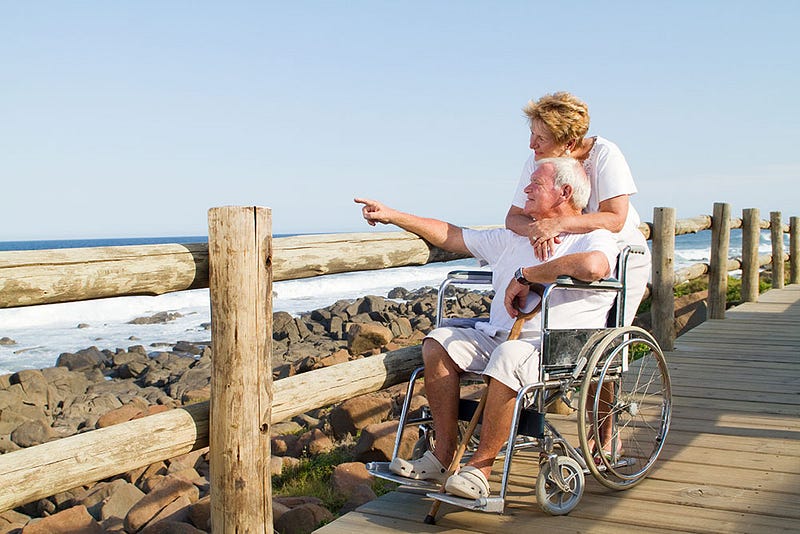
Adobe Stock resource: © michaeljung

When my husband, John, died in 2015 it seemed to me I would never feel right again. Everything felt different and grey. My beloved husband of 59 years was gone. I was alone.

A year later, Michael, an elementary school classmate got in touch with me and we went to lunch. I realized how lonely I had been and how glad I was for his company. But after a few months, I realized I didn’t really like spending time with him. He didn’t talk much, or laugh much. He was no fix for my loneliness. So I stopped seeing him. At every age, some relationships just don’t work out and we need to employ our break-up skills. (It wasn’t all that easy.)

As another year passed, my friend Peter, who was in my small support group, became my regular dinner companion. We spent more and more time together, gradually becoming a couple. Peter and I had lots to talk about. I felt safe.

Looking back, I was ready for a new love. I’ll never stop missing John, but I let go of the acute grief and the numbness of the previous two years. I could let myself take the risk of loving.

Adobe Stock resource: © jumlongch

I learned about loss, grieving, letting go, and loving again not only from my own experience but also much from the 128 people in their eighties who I interviewed for my book. By age 80, we have all experienced loss. Many of us have lost our spouse. All of us have lost friends. Some unlucky ones have lost a child. We’ve lost numerous pets. And we all know that to love again is risky. Several people told me they refused to get a new dog because the thought of losing another dog was just too painful.

To be ready to take the risk of new love, I’ve learned you need to grieve your losses one by one. One woman I interviewed told me that whenever a friend died she ‘d take what she called a ‘private retreat’ for an hour or so. She’d full remember her friend, feel her sadness and think about attributes of her friend that she would try to incorporate into her own life going forward.

Grieving is, of course, an individual matter. There is no set timetable — it can take months or many years. But when the time is right, and you’ve grieved enough, for now anyway, you’ll let go. And return to life and love.
Adobe Stock resource: © Maria Sbytova

Mary Oliver wrote about this process in her poem In Blackwater Woods:

To live in this world

you must be able

to do three things:

to love what is mortal

to hold it

against your bones knowing

your own life depends on it;

and, when the time comes to let it

go,

to let it go.

Once we have passed the acute grieving stage we will probably be ready to love again, to give fully — and it doesn’t have to be romantic love. Get a new pet, make a new close friend, spend more time with a grandchild, or find a new companion or partner. Experience, once again, the pleasure of loving. Know again that the greatest pleasure in life is loving another. It is not being loved by someone else. Many of us don’t learn this truth until late in life.

In case you’re wondering, most eightysomethings usually don’t marry their new romantic loves. Life is way too complicated by children, finances, property, and health issues. And we relax as we see that new loves do not take the place of earlier loves. They are not in competition for the same space.

Peter and I keep separate apartments though we spend much time together. We have lots of photos of our spouses and children on our walls and we both wear our wedding rings. But for now, we are here for each other, and we are grateful.
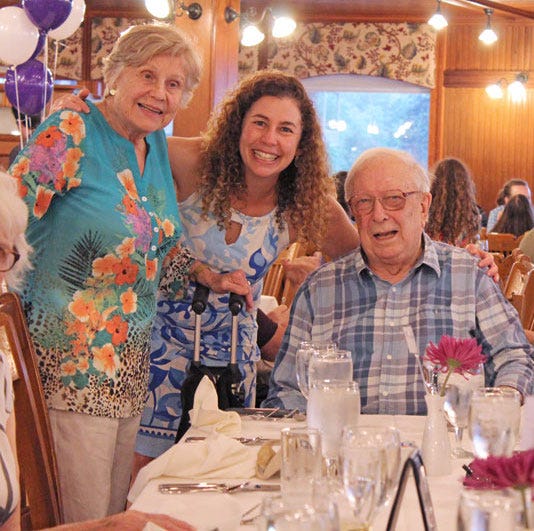
Katharine, her daughter-in-law Raquel, and her new love Peter out celebrating together

Love is essential at every stage of life. As humans, we’re adaptable and creative in where and how we find new love. Even in the most dire of experiences, we can love. It is like the surprising flower that valiantly emerges from a pile of rocks. We can all, at every age, learn to grieve, let go, and love again.

Happy Valentine’s Day!

Looking for more from Dr. Katharine Esty? Sign up on her website for her bi-weekly newsletters.

Love
Valentines Day
Psychology
Happiness
Geriatrics
Recommended from ReadMedium