
New Law Threatens Homemade Japanese Pickles (Tsukemono)
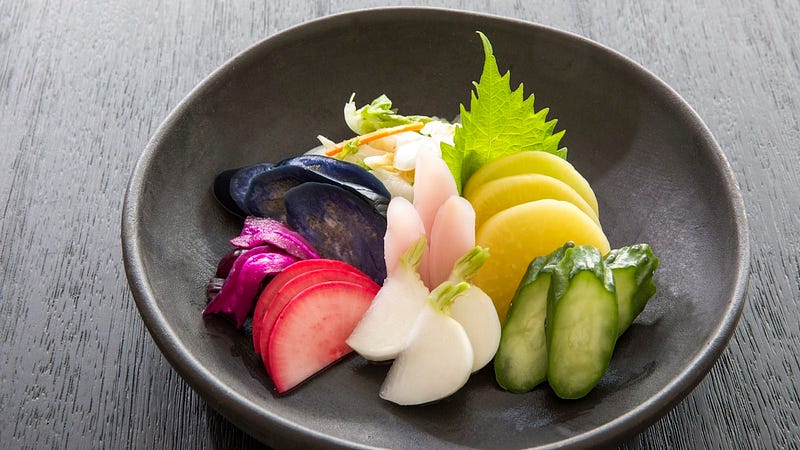
Tsukemono (Japanese pickles) are a traditional dietary staple. But could a new law drive drive small mom-and-pop makers out of business?
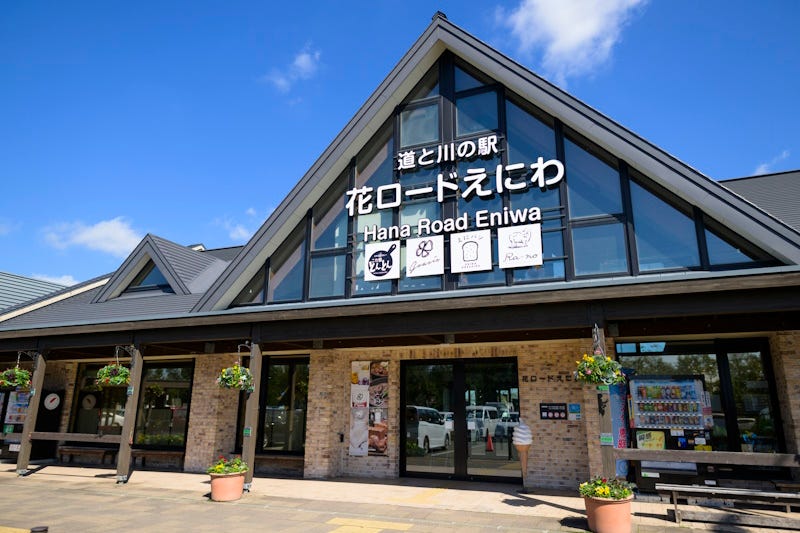
Michi no Eki (highway stations) are a system of highway rest stops in Japan. In some ways they’re similar to turnpike rest stops in the US, in that they’re places to pull over and rest during long car rides, as well as to refuel and get some food.
Michi no Eki are also a force for boosting the local economy. They sell local produce and cuisine and inform travelers of what the vicinity has to offer.
But now, a new revision to Japanese law threatens some of those local small businesses’ ability to continue selling tsukemono (Japanese pickles), both there as well as by direct sale.
Updating the Food Sanitation Act
The legislation in question is the Food Sanitation Act of 1947. Last updated in 2018, its purpose is “to prevent sanitation hazards resulting from eating and drinking by enforcing regulations and other measures necessary from the viewpoint of public health, to ensure food safety and thereby to protect citizens’ health.”
This is unremarkable and resembles similar legislation in any country. The newest revision, however, makes changes that significantly raise the barrier to entry into the market beyond the reach of individuals. The government is currently phasing it in, with full enforcement to start in late May. And local makers of tsukemono– pickled vegetables– aren’t very happy with the change.
Local food traditions endangered
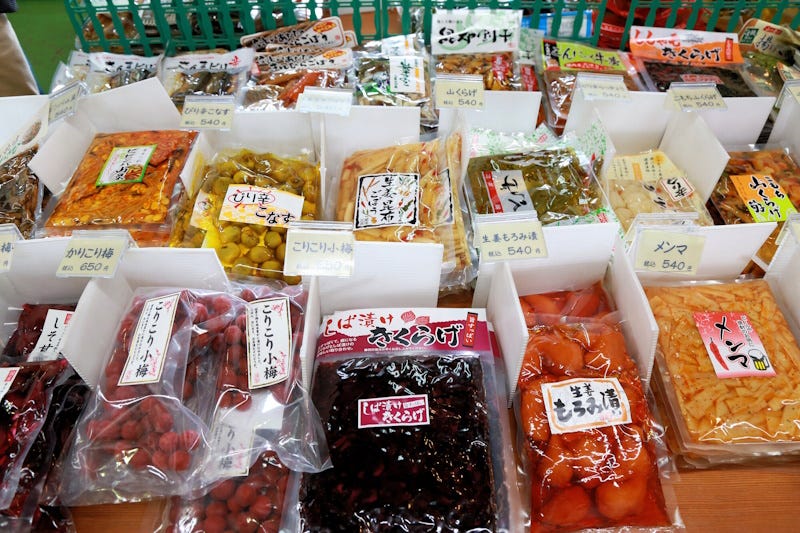
Until the recent law, small businesses– people growing and pickling vegetables at home– were allowed to sell their wares. This made it possible for them to use Michi no Eki as a point of sale.
The newly amended law, however, obliges people wishing to sell tsukemono to produce it in a larger facility that has a health certification and a food safety inspector. That’s no problem for brand-name tsukemono. But obviously, it involves an outlay of money that the average homemade tsukemono producer can’t afford.
One such small-batch producer is an 80-year-old farmer in Kirahiroshima, Hiroshima Prefecture, named Fujii Shizuko. Having learned the art from her elders, she’s continually tried to improve her technique. She sells her tsukemono, under the brand name of “Fujii-sanchi no takuan” (Fujii-san’s Homemade Takuan), at a Michi no Eki in Kitahiroshima.
When we say tsukemono, it’s more than just the local daikon pickles. Mai Road, the Michi no Eki where Fujii’s pickles are sold, also sells cucumber pickles, umeboshi, pickled Chinese onion, and other varieties.
But faced with these new requirements under the revised Food Sanitation Act, Fujii says “If I were 20 years younger I’d keep doing it even if it cost money. It’s sad, but I guess it’s time to stop.”
She’s just one of many who are considering leaving the business or have already left. There were once 25 people who took part in the pickle sales at the Mai Road rest stop, but almost half have left. As the station’s superintendent, Obatake Kazunori, observed: “The rules getting stricter can’t be helped, but the elders’ enthusiasm is fading. And all this even though there are fans who preorder some of this produce to make the trip to get it!”
Taking Action to Protect Tradition
Despite the changing legal landscape, some efforts are already underway to preserve these culinary traditions.
One example of this is in Unnan, Shimane Prefecture. The city has a large number of people who grow a wide variety of small batches of produce. The city now boasts 9 markets where they can sell their pickled goods. Shimane can boast of many types. One of them is Tsuda kabu, a pickled turnip that’s been a Shimane specialty since the Edo period. A major investment of capital in the area, both from groups and individuals, has significantly improved individual and family farmers’ means of continuing to produce and sell in line with the law.
In Unnan City, the local government is also offering services to help people better understand and prepare for this regulatory change. The city offers both training workshops and consulting services through its Office of Agriculture and Livestock.
Suyama Hajime, one of its officials tasked with the promotion of produce direct from the farm, says “The deadline of late May is pretty soon. We’d like as many people as possible to come see us.”
Conclusion
Local culinary traditions in Japan have survived changes of governments and laws many times before. They might have to change shape, or scale, or otherwise adapt, but they’re surprisingly resilient. That being the case, we are sure that this isn’t the last gasp for local delicacies like tsukemono.
Planning a trip to Japan? Let Unseen Japan Tours help you create a custom, guided tour experience uniquely suited to your interests!
Sources
- “Food Sanitation Act.” Japanese Law Translation. Accessed 25 January 2024.
- “Michi no Eki to wa.” Michi no Eki Homepage. Accessed 25 January 2024.
- “‘Sabishii kedo, sorosoro yameyou ka nee.’ Michi no Eki ya Sanchokushi no Tezukuri Tsukemono, Hōkaishō de Sonzoku no Kiki.” Chūgoku Shinbun Digital, 21 January 2024, archived at news.yahoo.co.jp. Accessed 25 January 2024.
- “Tsuda kabu.” JA Shimane. Accessed 25 January 2024.


