
ABORTION RIGHTS
New Anti-Abortion Target: Drug Stores
Legal, regulatory, and legislative fights over pills ramp up
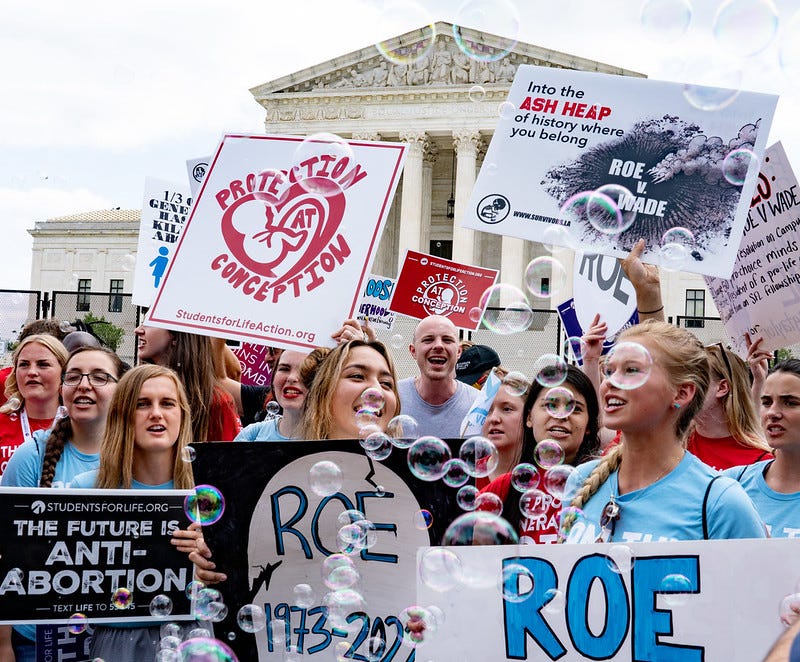
After achieving its goal to end the federal right to abortion, the anti-abortion movement is torn about next steps. Some activists want to allow more exceptions in state abortion bans. Some want a focus on programs to help care for children. Others threaten to make even birth control illegal.
What shouldn’t get lost in the internal debates: They remain committed to blocking a woman’s right to make her own reproductive choices.
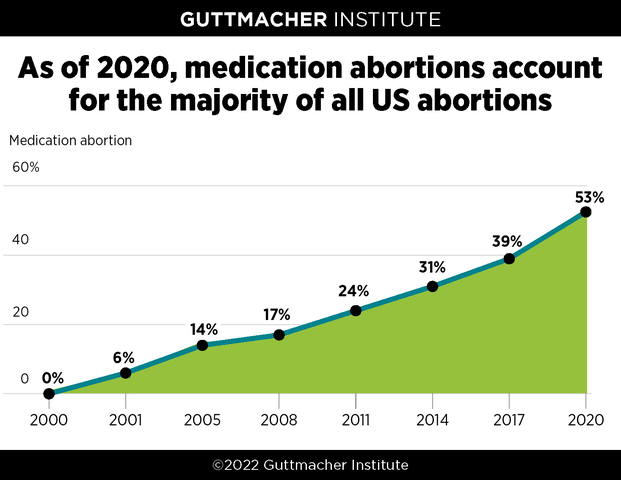
That’s why the next big battle is over the medication now used in more than half of the nation’s abortions. Don’t be surprised when anti-choice activists protest outside pharmacies; groups plan to start in February in some cities.
The protests are a response to the Food and Drug Administration’s ruling this month that pharmacies can now sell the pills, which had been restricted to approved clinics and online distributors. CVS and Walgreens chains plan to do so, despite threats from anti-abortion groups and concerns about government red tape.
Also worrying, is a case before a Christian conservative Texas judge who could rule the pills illegal. And several state legislatures are considering prohibiting access, in defiance of the federal government.
On Jan. 22 — which was the 50th anniversary of the signing of the Roe v. Wade abortion ruling — President Biden issued an order calling on government agencies to protect privacy and abortion access, including to the pills.
Vice President Kamala Harris announced the order at a pro-choice rally in Florida, which Gov. Ron DeSantis calls “the free state of Florida.” He signed a 15-week abortion ban without exceptions for rape or incest, and he has declared state pharmacies cannot sell the pills.
“Can we truly be free if a woman cannot make decisions about her life?” Harris told the crowd. “Can we truly be free if a doctor cannot care for her patients? Can we truly be free if families cannot make intimate decisions about the course of their own lives?”
The pills — mifepristone and misoprostol — have been safely used for 22 years and are required to be taken during the first 10 weeks of gestation. The average retail price of one mifepristone tablet — the amount needed to begin an abortion — is about $75, according to prescription drug price tracker GoodRx. Misoprostol is a generic that costs as low as $1.65.
Yet the availability at the corner drug store may take some time, considering the cockiness of the anti-abortion movement and the safety concerns of pharmacies. Both are fully explored in a Politico article that included these quotes:
“If Walgreens wants to learn anything from more than 50 years of our abortion activism, it’s that we will not give up,” said Kristi Hamrick, the vice president of policy for Students for Life of America. “They should be concerned about the kind of liability they will face.”
“The safety of pharmacy teams is really important, and that’s something they’re going to take into consideration when they decide whether or not to become certified,” said Ilisa Bernstein, the interim CEO for the American Pharmacists Association. “In some communities, that may be more of a concern than others, but it is a concern.”
Meanwhile, a lawsuit against the pills’ use has been filed by a group called The Alliance for Hippocratic Medicine, incorporated this summer in the Amarillo division of the Northern District of Texas. A Rolling Stone article raises legitimate questions about whether the group was set up to get its lawsuit before a known cultural warrior.
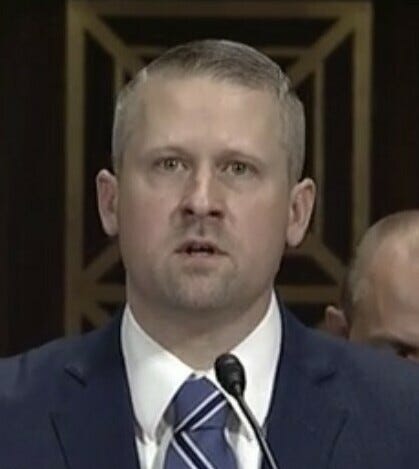
U.S. District Judge Matthew Kacsmaryk, appointed by Donald Trump in 2019, is a former attorney for a Christian legal advocacy group. He has argued against abortion, same-sex marriage, no-fault divorce, birth control, and sex outside of marriage.
The lawsuit claims approval of the pills was not done legally and is not supported by evidence of safety and efficacy. It also claims that an 1873 vice law that made it illegal to send “obscene, lewd or lascivious” material through the mail applies to abortion pills.
Courts and federal agencies have disputed such claims in the past. But the judge could issue an injunction that could stop the distribution of the abortion pill, even in states with strong abortion protections.
_(cropped).jpg)
The anti-abortion movement geared up last year to restrict access to the pills. Guttmacher tracked 118 medication-abortion restrictions introduced across 22 states. Currently, 29 states require physicians to administer the pills; 18 states prohibit the use of telemedicine to prescribe medication.
Even in Kansas, where voters last year overwhelmingly voted for the right to abortion, a newly filed bill would ban providers from prescribing the medications over telemedicine.
Republican lawmakers in Oklahoma have asked the state attorney general for a formal opinion clarifying whether self-managed abortions constitute murder under the state’s abortion ban. A decision has not been made.
Texas lawmakers are exploring ways to hold financially and legally liable any groups with ties to abortion pill distributors, who are often located out of the country.
Alabama’s attorney general recently said medication abortion could lead to changes under a chemical-endangerment law, passed in 2006 to protect children from exposure to chemicals and fumes from home meth labs.
Such overreach in courts and legislatures will continue until Congress either passes a national abortion ban or a law protecting reproductive rights bill. Right now, there are not enough votes to pass either.
Harris did offer encouragement to the Florida crowd: “Let us not be tired or discouraged because we’re on the right side of history.”