
Never too late to learn something new
Older workers love new things — they just need to be shown (sometimes)
In the mid/late 80s, there were very few desktop computers and mobile phones, and I’m sure people could smoke in the office (which was full of flammable paper items)! Long lunches and people “going missing” from work were commonplace.
A lot of work was entirely manual — things that take seconds now took a while. Wanted to send a formal letter? Dictation and then off to someone with a typewriter to type and then back for signatures!
The core work skills we learnt 30/40 years ago are, however, still incredibly relevant, and if you were being a bit more forthright, you could say some of those skills are lacking today in younger workers. Communication, relationship building, patience, and resilience were treasured skills when I started work. The fact that everything took ages to happen will have certainly contributed to this.
Some of the things, tech has now made a breeze were professions back then — internal company mail, for example. None of this is new, of course — a delve back further in time will have found other examples, and it would be churlish not to credit the enormous positives that have come with these changes.
The way the game is played has changed for sure — online tools to help collaboration, shared documents, chat groups, teams etc., should be enablers, but I put it to you, dear reader, they aren’t currently for many of those who would get the most from them.
Simply if you don’t know, they exist the possible benefit of a shared Google sheet, or the organisational benefits of a Trello board will remain a mystery to you!
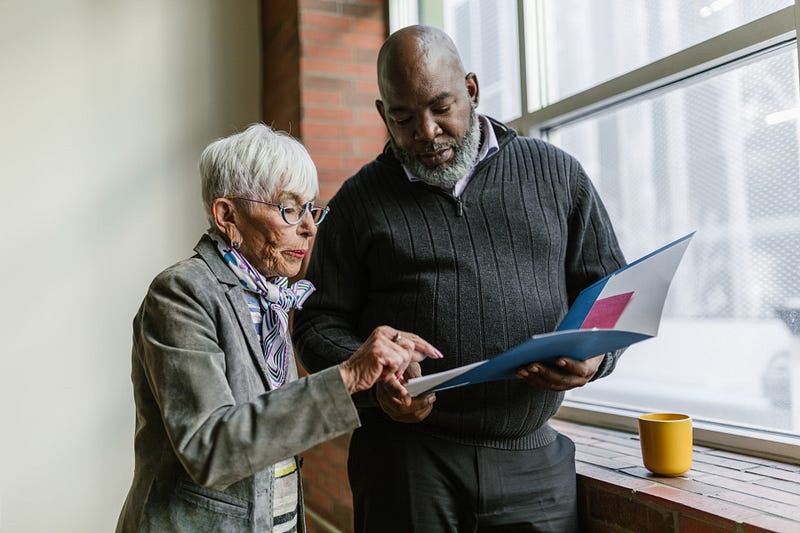
One of the recurring conversations I have heard from “experienced” workers is how they need help in using new tech or applications. This ranges from struggling to use their (new) iPad/Mac/Laptop to someone explaining some of the more recent tools for working.
I’m not suggesting this applies to everyone, though. There are plenty of more “experienced” adults getting on just fine. Witness the booms in online shopping and video calling over the pandemic. When there is a benefit, and a need is being fulfilled, there is little to stop many from getting involved.
There is, however, a group that needs a friendly arm to bring some of these tools to life. You don’t know what you don’t know after all!
So be it training/positioning/reverse mentoring, there is a lot that can be done. If you could cope with an early iteration of Word or had to prepare presentations for an overhead projector, you will have a ball once someone shares what is possible now (and how much easier it ought to be).
In a non-workplace example, I have spent a bit of time over the years helping people get comfortable with social media. Once you feel it can help you, it could make a massive difference to many of the challenges we face as we age. All that was stopping people was a short in-person demonstration and a Question & Answer session with someone patient and appreciative of the users’ needs.
The lack of consideration of older peoples’ needs in design is all around us. Television remote controls with small buttons that are hard to press rammed in next to each other, Microwaves with a zillion settings, most of which go unused or laptops with small screens and help functions that do not really help.
So a plea to designers — please consider a more comprehensive set of needs in your process. What helps us as we get older very likely benefits, everyone!
Meantime I would love to hear examples of older people’s experience in the workplace — in particular, using new tools that maybe they didn’t think were for them.


