
Netflix Series ‘Toys That Made Us’ Has Big Lessons for Entrepreneurs and Marketers
The current 8 episodes of the Toys That Made Us documentary series on Netflix is a wonderful bath of nostalgia, but it is also an amazing hindsight-is-20/20 course on marketing and product development. While the toys themselves are all very different, there are several core themes that emerge when covering the successes and failures across all of them. These are lessons that too many businesses learn too late.
Marketing Can’t Fix a Bad Product
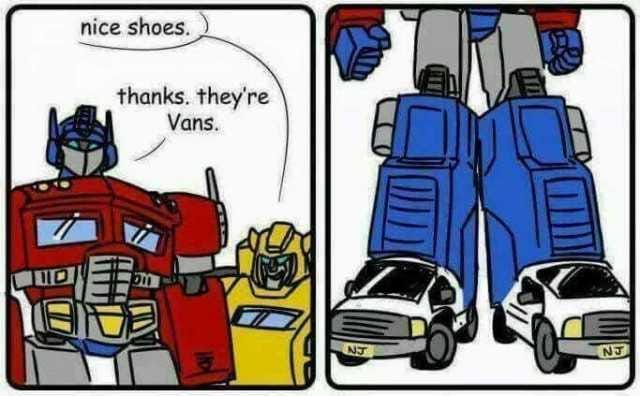
Virtually every “toy story” has a dark period where the product tanks or slips. Every single time this happens, the toy companies are spending more effort in marketing than product development. Instead of having a passion for what they make, they become cynical thinking they can trick kids or manipulate parents into buying their toys. Do you remember when Transformers went from metal to plastic and couldn’t even transform? Yeah…
Great Products are Always About Respecting Your Customers
As the toy industry grew, it’s clear a lot of businesses saw it as a cash grab with little respect, or even resentfulness, for their market: children. Toy companies like Lego, who saw their market as intelligent and sophisticated ended up blowing away peers and surprising everyone. “You mean kids can be smart consumers!?!?”
Landfills are stuffed full of useless plastic toys where businesses thought they could sell anything with branding and marketing. Meanwhile, Lego sets, and well-designed actions figures sell for thousands to collectors even today.
Great Products are All About the Details
Another big misconception in marketing is the idea of throwing “spaghetti against the wall.” As if the key to success is throwing out junk as fast as possible until you find a winner. In reality, trial and error is important, but only from the goal of REFINEMENT, not RANDOMNESS.
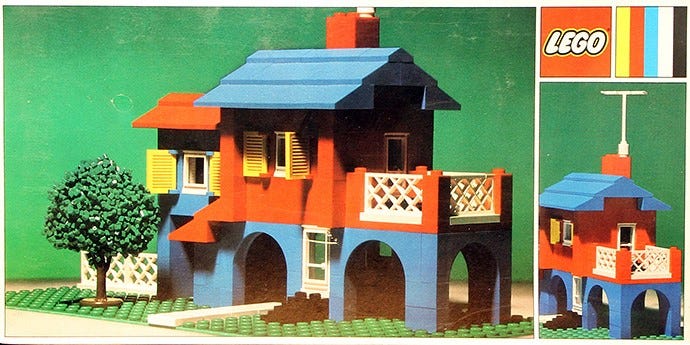
Lego’s success was from their strict “system” of having all products work together. Transformer’s Japanese engineers were passionate about making these miraculous marvels of a toy (which was often wasted in American marketing departments). Even Star Trek finally saw success when they decided to make toys that actually looked like what was on the show! (I know, radical idea.)
…You Do Still Need Marketing
Here in Indianapolis, we have a common philosophical discussion: So what’s more important in a race, the car or the driver? If you ask most experts, they will say the answer is “Yes.” This pretty much sums up the relationship between product and marketing.
So, how do you know which one is at fault? It’s actually quite simple: A great product isn’t hard to market. Even bad marketing will succeed, at some level, to sell a great product, but great marketing can’t sell a bad product. If it feels like you are doing everything right, and not selling, it’s not the marketing.
So to stretch an analogy, if your sales aren’t taking off, look at your product. If you are going, but need to go faster, look at marketing. Just ask He-Man…


