Netflix Korea’s Labor Issues: A Mirror to the Global Streaming Conflict
In the world of digital streaming, Netflix stands as a colossus, its influence reaching into the furthest corners of the globe. Yet beneath the sheen of its success, particularly with its South Korean content, lies a complex web of labor issues that raises questions about fairness, exploitation, and the future of digital media. This op-ed delves into these issues, exploring the implications and seeking solutions that consider the varied stakeholders involved.
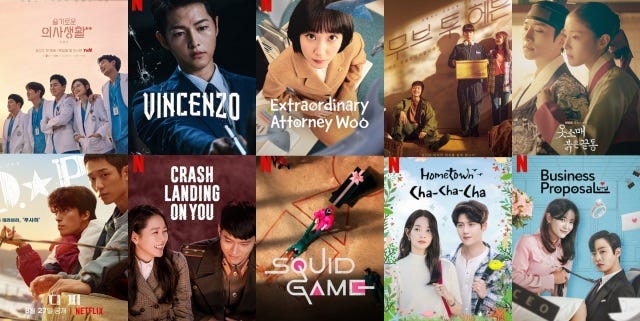
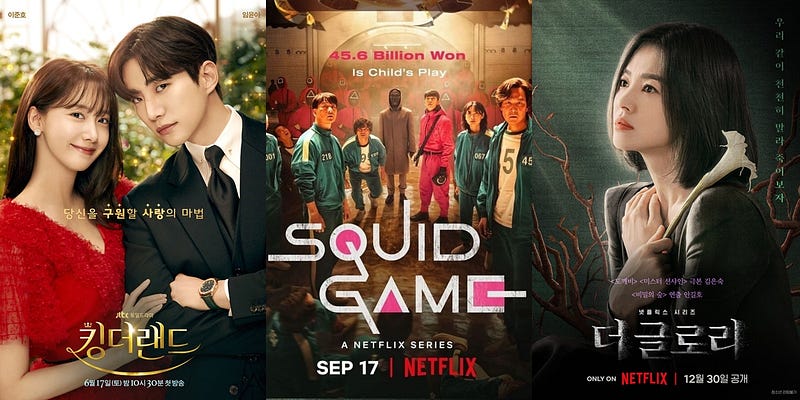
Netflix’s foray into South Korean content has been nothing short of revolutionary. Hits like “Squid Game” and “Kingdom” have not only captivated global audiences but have also redefined the boundaries of what non-Western media can achieve on a global platform. However, this success story masks a less flattering narrative. South Korean actors, writers, and production staff have raised significant concerns about their compensation and working conditions, highlighting a mismatch between Netflix’s global standards and local realities.
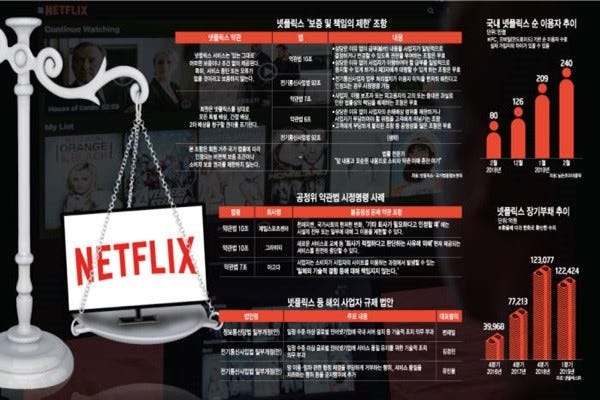
The crux of the issue lies in the treatment of South Korean talent compared to their international counterparts. While Netflix has been lauded for its queer-friendly programming and inclusive hiring practices, it stands accused of failing to extend similar principles of equity and fairness to its Korean workforce. This incongruity is not just limited to pay scales but extends to the very core of how Netflix engages with local talent and addresses their concerns.
For instance, South Korean actors working on Netflix originals do not receive residuals, a form of royalty common in other parts of the world. This practice is not just a departure from the norm in the global entertainment industry but also a significant oversight considering the immense success and profitability of these shows.
The labor practices adopted by Netflix in South Korea raise serious ethical concerns. Many production staff are classified as independent contractors, leaving them vulnerable to exploitation. This includes unpaid overtime and the lack of adequate compensation for the intensive labor that goes into producing high-quality content. The absence of a residuals system further exacerbates this issue, as creators and actors are not compensated for the continued success and reuse of their work.
Netflix’s labor issues in South Korea are a microcosm of a larger conflict within the global streaming industry. As streaming services like Netflix become more dominant, traditional labor practices and compensation structures are being challenged. This shift has led to a situation where streaming giants can dictate terms that are often less favorable to creators and production staff, particularly in regions like South Korea, where local labor laws and industry norms may differ from Western standards.
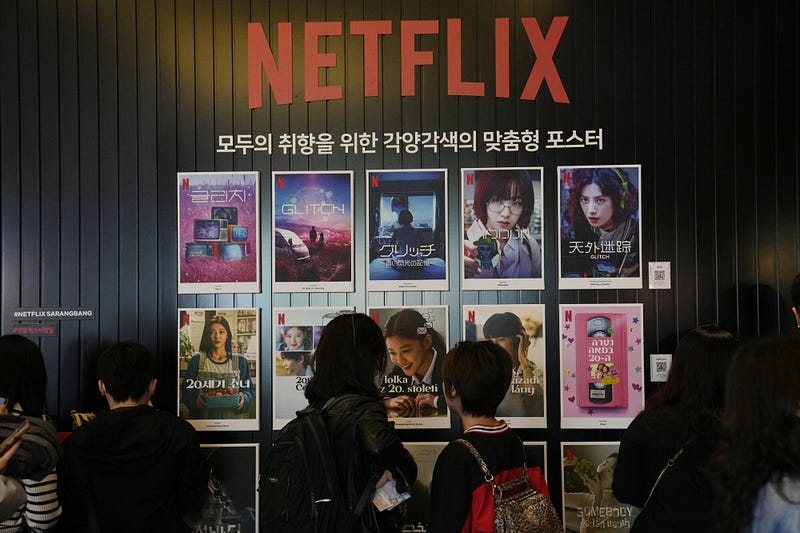
Netflix’s programming and public image promote narratives of equality and inclusivity. However, the disparity between its progressive content and the reality of its labor practices suggests an illusion of equality. This disconnect is not just a matter of corporate ethics but also reflects a broader trend in the global entertainment industry, where the rush towards digitalization and global reach often overlooks the need for equitable and fair treatment of all workers.
South Korea’s cultural exports, including K-dramas and K-pop, have gained international acclaim, positioning the country as a powerhouse of entertainment. However, this success has come with its own set of challenges. The intense competition and pressure to maintain high standards often lead to demanding work environments and unfair labor practices. Netflix’s entry into this market has both highlighted and, in some cases, exacerbated these issues.
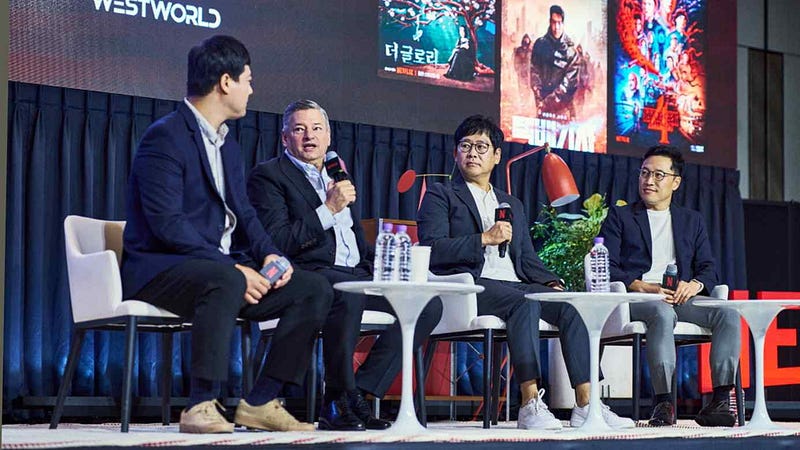
The implications of unresolved labor issues in Netflix’s South Korean operations are far-reaching. Continuing disputes could lead to production disruptions, talent drain, and potential regulatory challenges. Addressing these concerns requires a comprehensive approach that considers the perspectives of various stakeholders.
Netflix needs to align its internal labor practices with its public image. This involves addressing concerns raised by employees and unions, especially in regards to content and workplace culture. Netflix’s response to these issues will not only affect its operations in South Korea but also set a precedent for its global practices.
Investing in and supporting emerging talent is crucial. Netflix could benefit from ensuring fair compensation and better working conditions for all staff, particularly in regions where labor laws may be less stringent. This not only nurtures a more diverse range of content but also reinforces its commitment to ethical labor practices.
Complying with local labor laws and industry norms is essential. Netflix should adapt its business model to meet these standards, particularly in South Korea. This includes negotiating with unions and complying with labor regulations to prevent exploitation and ensure fair treatment of all workers.
Fostering a transparent and inclusive decision-making process is vital. Listening to and valuing employee feedback can prevent internal conflicts and enhance the company’s reputation. This approach is not just about avoiding controversy but about genuinely valuing the diverse voices within the company.
Netflix could lead the way in establishing industry-wide standards for OTT platforms, ensuring fair treatment of actors and staff globally. Collaborating with other streaming services to develop these standards could help create a more equitable and sustainable industry.
The struggle for fair compensation and recognition in the streaming era is not confined to South Korea or Netflix alone. It’s a global issue, as exemplified by the solidarity shown by four Korean writers’ associations with the Writers Guild of America (WGA), which has been on strike since May 2. These Korean associations, including the Screenwriters Guild of Korea and the Webtoon Creator Union, are advocating for changes that resonate with the needs of creators worldwide.
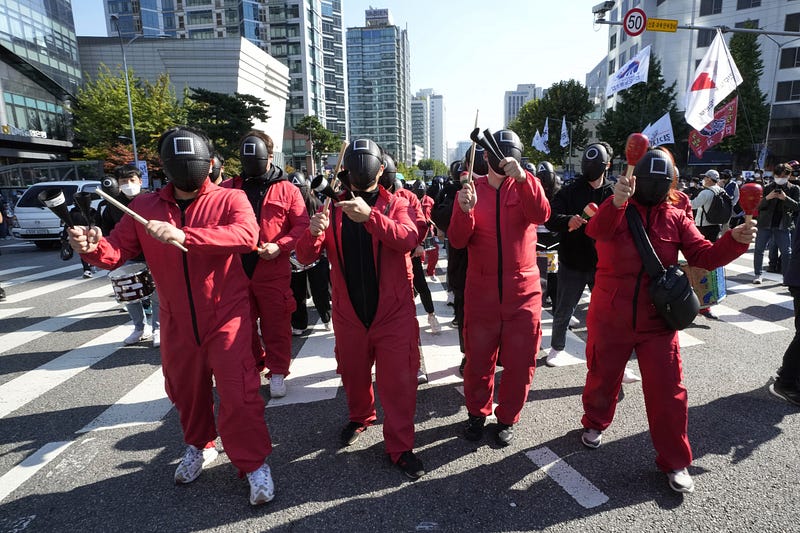
Their picket at Netflix Korea’s headquarters in Seoul underscores a shared concern: the need for updated copyright laws and compensation structures reflective of the streaming era. They demand compensation for creators proportional to the usage of their work, addressing a critical gap in the current system where streaming platforms often do not offer fair residual compensation.
The Korean writers also highlight the emerging controversy of AI in creative works. They argue that while AI development marks a significant technological advancement, it should remain a tool and not become a copyright holder. This stance is crucial in preserving the integrity and rights of human creators, ensuring that their intellectual property is not undermined by technological advancements.
The writers’ demands extend beyond immediate labor issues, calling on the Korean presidential office and National Assembly to amend the Copyright Act to align with global standards. This legislative action is vital for safeguarding the rights of creators not just on current streaming platforms but across any future media platforms. Their call to action echoes a broader sentiment in the creative community — the urgent need to adapt legal frameworks to the rapidly evolving landscape of digital content creation.
Netflix’s relationship with the Korean entertainment industry is a tale of investment, success, and ongoing controversy. The streaming giant’s deepening involvement in Korean content creation marks a significant shift in the global film and television landscape. This relationship, however, is not without its challenges.
Recalling the historical resistance to external influence in the Korean film industry, such as the protests against Hollywood’s direct distribution in Korea and the reduction of the screen quota system, illustrates the industry’s protective stance over its cultural output. Netflix’s recent investments in Korean content, including the additional $2.5 billion following an initial investment of over $1 billion, signify a new phase in this complex relationship.
Netflix’s success with Korean content, most notably with “Squid Game,” highlights the platform’s global reach and its ability to bring Korean entertainment to international audiences. However, this success raises concerns within the Korean film industry, particularly regarding potential exploitation and intellectual property rights. Korean production houses risk being relegated to subcontractor roles, with Netflix retaining comprehensive rights to the content produced.
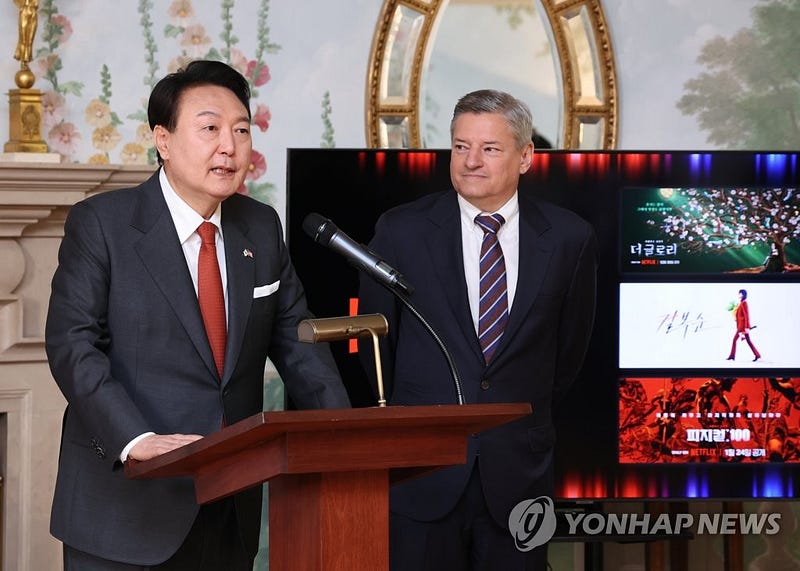
The relationship between Netflix and Korean cinema is also shaped by governmental policies and market dynamics. Recent collaborations between the Yoon Suk-yeol administration and Netflix, as well as agreements with Korean film councils, indicate a shift towards embracing and leveraging this international platform. However, concerns remain about the long-term impact on the Korean film industry’s autonomy and creative control.
Netflix’s labor issues in South Korea reflect broader challenges within the global streaming industry. Addressing these issues is not just about improving working conditions in South Korea but also about setting a global standard for fair and equitable labor practices in the digital age. As Netflix continues to expand its global footprint, it has the opportunity to lead by example, demonstrating that success in the streaming world does not have to come at the expense of fair and ethical treatment of its workforce.