avatarWorld As One 4PEACE

Free AI web copilot to create summaries, insights and extended knowledge, download it at here

7423

Abstract

edium&utm_medium=referral">Wexor Tmg</a> on <a href="https://unsplash.com?utm_source=medium&amp;utm_medium=referral">Unsplash</a></figcaption></figure><p id="2775">Recent reports have indicated growing concerns over the potential scarcity of coffee planting and water resources. For instance, <a href="https://www.foodandwine.com/white-house-chef-says-coffee-will-be-scarce-science-6890269"><b>studies</b></a> have found that coffee planting would become one of the most vulnerable agricultural products due to increading temperatures from climate change.</p><p id="bfce">Water is probably the most controversial for Nestle. The company has been embroiled in legal disputes over water access and rights in multiple areas of the United States. Nestle <a href="https://www.greatlakesnow.org/2020/04/nestle-prevails-law-judge-sides-with-water-bottler-in-water-withdrawal-case/"><b>successfully defended itself</b></a> against a lawsuit by a coalition of activists in Michigan in 2020 claiming that the company should not reserve the right to withdrawal groundwater to support its plant operations in Michigan.</p><p id="9557">As a result, Nestle actually sold its North American water brand to a private equity firm in <a href="https://www.mashed.com/717227/nestles-water-controversy-explained/"><b>April 2021</b></a>. The deal was reached to sale the Nestle Waters North America (NWNA) unit to One Rock Capital Partners for a toal of <a href="https://www.foodbev.com/news/one-rock-and-metropoulos-co-to-acquire-nestle-waters-north-america/"><b>4.3 billion</b></a>. But even with the acquisition by the new company BlueTriton Brands, Nestle has been unable to escape blame for exploitation of spring water throughout vulnerable areas of California and Florida. Since drought has been the precursor to wildfires, Nestle’s water operations have come into sharp focus — leading to a series of lawsuits such as a <a href="https://www.theguardian.com/us-news/2021/apr/27/california-nestle-water-san-bernardino-forest-drought"><b>cease-and-desist order</b></a> in California courts.</p><figure id="dabb"><img src="https://cdn-images-1.readmedium.com/v2/resize:fit:800/0*S_jzwTvLBnWdQE_M"><figcaption>Photo by <a href="https://unsplash.com/@jk?utm_source=medium&amp;utm_medium=referral">JK</a> on <a href="https://unsplash.com/?utm_source=medium&amp;utm_medium=referral">Unsplash</a></figcaption></figure><p id="be41">A new CEO of Starbucks was announced in September 2022. He joined the company on 1 October 2022, and will assume the leadership as CEO in April 2023. His name is <a href="https://www.thehindubusinessline.com/companies/indian-origin-laxman-narasimhan-named-new-starbucks-ceo/article65839658.ece"><b>Laxman Narasimhan</b></a><b> </b>— a man of Indian descent — with a professional background in London, England, formerly the CEO of Reckitt and global chief commercial officer at PepsiCo.</p><p id="6178">Narasimhan takes control of Starbucks during a <a href="https://edition.cnn.com/2022/09/01/business/starbucks-new-ceo/index.html"><b>pivotal time</b></a> in the company’s trajectory. Former CEO Howard Schultz had stepped in as the interim CEO — replacing former CEO Kevin Johnson who decided to retire in March 2022 — as a <a href="https://www.seattletimes.com/business/starbucks/starbucks-announces-new-ceo-to-replace-howard-schultz/"><b>unionization movement</b></a> was sweeping across the company’s United States commercial footprint. This led to a “Reinvention” project during which Starbucks offically closed down 16 of its US stores due to safety concerns.</p><p id="aeef">On the <a href="https://stories.starbucks.com/stories/2022/a-message-from-howard-schultz-the-next-chapter-of-starbucks-reinvention/"><b>Reinvention plan</b></a>, statements from Schultz and Narasimhan are aligned on the objective of creating a new era of growth and sustainble development at Starbucks.</p><blockquote id="9a82"><p>Howard Schultz<i>: The perspectives he brings will be a strong asset as we build on our heritage in this new era of greater well-being.</i></p></blockquote><blockquote id="5028"><p>Laxman Narasimhan<i>: The Reinvention and investments in the partner and customer experiences position us to meet the changing demands we face today and set us up for an even stronger future.</i></p></blockquote><p id="9e10"><a href="https://www.cnbc.com/2022/09/02/starbucks-ceo-transition-plan-gets-muted-reaction-from-wall-street.html?__source=androidappshare"><b>Stock market analysts</b></a><b> </b>were surprised to find that this CEO transition didn’t cause volatility to the Starbucks (SBUX) stock price. In fact, SBUX has performed fairly well considering the changes that are happening at Starbucks and the volatile commodity markets taking shape globally.</p><p id="aafc">SBUX was at 82.92 on 9/2/22 after the CEO transition was announced. It subsequently grew to 92.70 on 9/14/22. After hitting this top price in September, SBUX didn’t start moving upward again until November. The SBUX price increased by seven points from 84.68 to 91.86 on 11/3/22, and since then, the stock price has continued on an upward trend. Going up to 102.20 per share on 11/30/22, and climbing to $105.05 on 12/2/22.</p><p id="657d">Upon the news of selecting Narasimhan to lead the American-established global coffee brand, there was some significant chatter about Indian-origin CEOs operating multi-national corporations (MNCs), as Starbucks now joins the list of Chanel, Twitter, Bata, Google, Microsoft, and others, of companies with Indian-origin CEOs. <a href="https://www.moneycontrol.com/news/business/starbucks-appoints-indian-origin-ceo-trend-points-to-super-choice-by-multinationals-for-future-leadership-9124251.html"><b>Money Control</b></a></p><figure id="e2fd"><img src="https://cdn-images-1.readmedium.com/v2/resize:fit:800/0*1LUxsFZhAUUCOlPs"><figcaption>Photo by <a href="https://unsplash.com/@takahiro?utm_source=medium&amp;utm_medium=referral">Takahiro Sakamoto</a> on <a href="https://unsplash.com/?utm_source=medium&amp;utm_medium=referral">Unsplash</a></figcaption></figure><p id="a8a6">In an interview with <a href="https://www.cnbc.com/2022/09/07/outgoing-starbucks-ceo-howard-schultz-says-he-wont-return-for-a-fourth-stint.html"><b>CNBC,</b></a> founder of Starbucks Howard Schultz accompanied incoming CEO Laxman Narasimhan to explain this CEO transition at Starbucks. He called Narasimhan “a number one draft choice” not only because of his outstanding leadership background but also because of his humility, “I’m never coming back again, because we found the right person.”</p><p id="10df">This official announcement from Schultz was big. But the Starbucks Investor Day held on <a href="https://youtu.be/GLj_fc2xIUw"><b>13 September 2022</b></a> was even bigger.</p><p id="d23f">At the event, there were several key clarifications made on the future growth and strategy of the world’s leading coffee chain, including the rollout of Starbucks Connect, inventory automation and the implementation of the Siren System, expansion of cold-beverage options for Gen Z consumers, and growing the company’s global footprint — particularly in China where the company projects it will open 3,000 new stores by 2025. <a href="https://www.restaurantdive.com/news/4-key-takeaways-starbucks-investor-day/631783/"><b>Restaurant Dive</b></a></p><p id="9ef7">There is also an intense focus on expanding deliver

Options

y services in Japan and the United Kingdom (UK). By connecting customers in those locations to a Starbucks mobile-ordering system, the company plans to bring about an American-style shift to drive-thru cafe services in Japan and UK.</p><p id="7421">While in the United States, the focus on partnerships with other global brands demonstrates how Starbucks is enlarging its customer loyalty and rewards program. For instance, the <a href="https://edition.cnn.com/2022/10/12/business/starbucks-rewards-delta-skymiles-partnership/index.html"><b>Starbucks Rewards-Delta SkyMiles</b></a> partnership came into force on 12 October 2022. This agreement allows Starbucks customers to earn more Delta SkyMiles when purchasing a beverage at Starbucks. For every 1 spent, customers will earn 1 mile at Delta Air Lines. And on the days that members have a Delta flight, they will earn double the amount of rewards on their Starbucks orders.</p><p id="b488">It’s evident that technology is playing a primary role in the company’s operations. Just look at the example of coffee customization, for which <a href="https://www.thestreet.com/restaurants/customer-customization-coffee-starbucks-billion-dollar-win"><b>Sarah Jean Callahan</b></a> claims, “one pump of extra syrup pumps up the profits for the coffee company.” She was referring to Starbucks mobile-ordering platform, which collects data on each customer’s preferences and entices them to spend more money on unique combinations of flavors based on their prior purchases.</p><figure id="cfa8"><img src="https://cdn-images-1.readmedium.com/v2/resize:fit:800/0*lJeJbgZaDolt0tIu"><figcaption>Photo by <a href="https://unsplash.com/es/@nate_dumlao?utm_source=medium&amp;utm_medium=referral">Nathan Dumlao</a> on <a href="https://unsplash.com/?utm_source=medium&amp;utm_medium=referral">Unsplash</a></figcaption></figure><p id="0828">Now, lets look at the future complexities of the geographic areas in which Starbucks has grown accustomed to operating in.</p><p id="5a12"><a href="https://stories.starbucks.com/leadership/michael-conway/"><b>Michael Conway</b></a><b> </b>is the Starbucks group president of International and Channel Development. He has been responsible for carrying out many of the strategic partnerships and global initiatives the company is undergoing during a period of transformation in global markets. I have provided a list of them below:</p><ol><li><a href="https://www.bloomberglinea.com/2022/05/03/starbucks-opens-its-1500th-branch-in-latam-in-key-coffee-supplier-guatemalas-antigua/">Starbucks opens a branch in an iconic coffee supply area of Antigua, Guatemala</a></li><li><a href="https://mb.com.ph/2022/09/07/starbucks-expands-commitment-to-hunger-relief-in-ph/">50,000 worth of grants were given to the Philippine FoodBank Foundation and Gawad Kalinga in the Philippines</a></li><li><a href="https://www.forbesindia.com/article/leadership/going-forward-india-will-play-a-big-role-in-starbucks-international-strategy-michael-conway/80735/1">First-ever Tata Starbucks store was relaunched in Mumbai, India, at the first Starbucks Reserve store in India</a></li><li><a href="https://www.delimarketnews.com/quick-bite/starbucks-sell-seattles-best-coffee-brand-nestle-michael-conway-and-david-rennie-comment/peggy-packer/fri-10212022-0854/14442">Deal between Nestle and Starbucks to sell Seattle’s Best Coffee brand</a></li></ol><p id="40ff">All of those deals and partnerships have been led under the tutleage of Starbucks’ Michael Conway. It will be interesting to see how the company continues on their global pursuit under the executive leadership of Narasimhan going foward. The<a href="https://sanketmishra24.medium.com/how-starbucks-made-an-alliance-with-tata-for-the-indian-market-6d84ec0c1aae"> <b>alliance between Starbucks and India’s TATA Coffe</b></a><b> </b>has been a major success in the Indian market, so I expect there will be come changes to the company’s China market strategy.</p><p id="2fa8">In a previous <a href="https://readmedium.com/competitors-blinded-by-the-light-of-tech-investments-from-john-deere-wal-mart-81fef4ecfac0"><b>TWB about Wal-Mart and John Deere</b></a>, I discussed how Wal-Mart’s competition with Amazon revolved around gaining exposure to the Chinese and Indian markets. Interestingly, in the case of Starbucks, the company already has a wide exposure to both the Chinese and Indian markets, so it’s not surprising that the company is coming up with creative ways to expand into other global markets.</p><p id="e8ae">Heading into 2023 the world is expecting further volatility in global commodity markets and geopolitical trends. Starbucks has perfected its global footprint by offering customers advantages in price affordability and preferences. But the values and culture of the company mean so much more to the consumers. That’s why founder Howard Schultz admitted to the Harvard Business Review (HBR) in 2010, <a href="https://hbr.org/2010/07/the-hbr-interview-we-had-to-own-the-mistakes"><b>“We had to own the mistakes.”</b></a></p><p id="d6ba">I offer this anecdote about the company because it takes us back in time to when the United States was hit with the 2007–2009 Global Financial Recession (GFC). Starbucks was able to bounce back from the GFC, by investing in its brand strategy — i.e., by putting more emphasis on the company’s sustainability goals and environmental stewardship. This movement has been spearheaded by former CEO Kevin Johnson. As early as 2020, Johnson announced a new <a href="https://finance.yahoo.com/news/starbucks-commitment-to-environmental-sustainability-140005281.html"><b>environmental sustainability program</b></a> at Starbucks.</p><p id="d142">How will the complexities of those geographic areas, mixed in with technology investments, affect Starbucks’ environmental, socal, governance (ESG) strategy in the future? I think in order to understand the importance of ESG, we should look to Starbucks as one of the early pioneers. They really hit the ground running on ESG, formulating ideals and incorporating technology investments to reach those sustainability goals through the decades since 2010. As more and more MNCs hop on board the sustainability drive, eyes will be on Starbucks to lead the way.</p><figure id="3429"><img src="https://cdn-images-1.readmedium.com/v2/resize:fit:800/0*ykVIIx9cuj9h6Ng1"><figcaption>Photo by <a href="https://unsplash.com/@maxsaeling?utm_source=medium&amp;utm_medium=referral">Max Saeling</a> on <a href="https://unsplash.com/?utm_source=medium&amp;utm_medium=referral">Unsplash</a></figcaption></figure><p id="eda7"><b>I’ll be publishing The Weekend Brief (TWB) regularly touching on aspects of the global markets (including stock markets) which are at the nexus of tech, industrials and global commodities. Please follow the publication <a href="https://medium.com/areas-producers">Areas & Producers</a> to read more content about the future of core areas and critical producers of the global economy.</b></p><p id="dc10">Sign up for TWB newsletter <a href="https://medium.com/areas-producers/newsletters/the-weekend-brief-twb"><b>here</b></a> to read about how publicly-traded companies, like <a href="https://readmedium.com/take-a-ride-on-the-wild-side-glencores-fuel-oil-market-manipulation-and-bribery-trading-7d966dd5c6d0"><b>Glencore</b></a>, are competing in the long game for global markets.</p></article></body>

Nestle & Starbucks Anticipating Higher Growth During A New Age of Consumerism This Christmas

The Weekend Brief (TWB) is inspired by American West Coast rap. Snoop Dogg, Nate Dogg, Warren G, The Dogg Pound and Wiz Khalifa just put out a new Christmas jam. I suggest listening to their latest song High Christmas as you read TWB.

Press Play: https://www.youtube.com/watch?v=8uoDb4uztGg
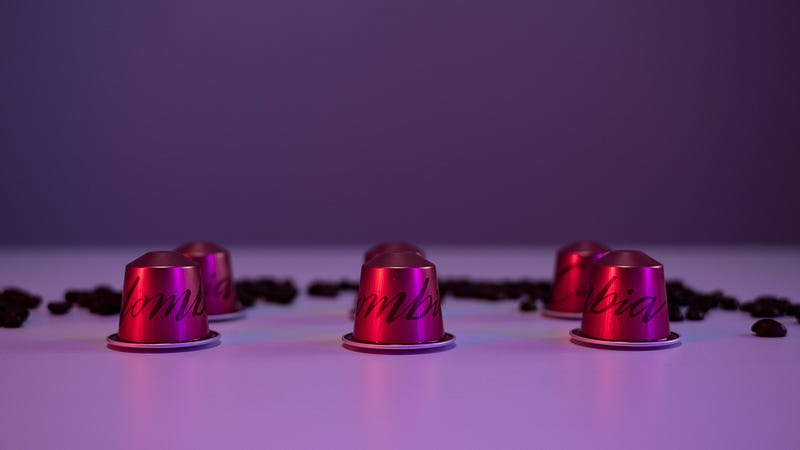
Photo by Nicolás Varela on Unsplash

Nestle and Starbucks are two of the world’s most recognizable global food and beverage brands. In 2018, the two companies signed a global licensing deal that gave Nestle perpetual rights to sell and promote packaged coffee and food products under the Starbucks brand in global markets. There are some exclusions, however, but the coffee consumer market is on the rise in Southeast Asia, Oceania and Latin America.

With this partnership, the two companies found a way into those global markets, all the while feeding a new trend in ready-to-drink (RTD) beverage products. This category of products includes Nestle’s Nespresso capsules and Nescafe Dolce Gusto systems. But more importantly for the licensing deal, Nestle has been given exclusive access to Starbucks Frappuccino and Starbucks Doubleshot.

The deal was a boon for Nestle’s profits during the global Covid-19 pandemic, due to increased retail sales of the products, for which food and beverage witnessed high demand while people were at home.

According to Nestle CEO Mark Schneider: “The global pandemic did not slow us down. In this unprecedented environment, we achieved our third consecutive year of improvement in organic growth, profitability and return on invested capital.”

Under the Nestle-Starbucks global licensing deal, sales of the Starbucks brand reached $2.96 billion in 2020. It’s no wonder that Nestle considers the partnership to be “the most strategic of its launches.”

Now, the Starbucks brand has been incorporated into the farbic of Nestle’s global presence, along with the iconic Nespresso and Nescafe brands. These three brands have given Nestle an outsized presence in food and beverage products globally, with figures reported at 22% of the global coffee market share.

Photo by Maxim Hopman on Unsplash

According to Elizabeth Crawford, writing for Food Navigator, Nestle intends to expand on its global market share in three ways: selling more products for the at-home coffee consumption experience, balancing its products in the coffee consumption patterns of at-home and out-of-home market segments, and pursuing global markets where coffee consumption is relatively low.

The third point is the most significant to global markets. As companies seek to expand into larger consumer markets, such as China, India and some African countries, Nestle is positioned to do exceptionally well during this phase of expansion.

How does Nestle intend to roll out a strategy for those markets? One finding is that the company has been investing in Industry 4.0 capabilities in China.

Industry 4.0 is a critical part of future business development — referred to as future-proofing among futurists and CEOs alike — which entails how Nestle is planning for the future by investing in high-tech capabilities via research and development (R&D) spending.

I compiled a timeline of events to show how Nestle has been investing in the growing strategic segement of Industry 4.0 in China since 2019.

  1. Nestle boosts trend-based innovation in China
  2. Nestlé expands in China with two new sites
  3. Nestlé to build its first plant-based food facility in China
  4. Nestlé Joins Forces with Alibaba to Make Supply Chain in China More Sustainable
  5. Cainiao enters strategic partnership with Nestlé in China

I’m not the only one who thinks so. CEO Mark Schneider has clearly laid out the company’s ambitions to continue investing in China:

Nestle is very optimistic about the future prospects of the Chinese market. We have strengthened our business by investing in a diverse industrial set-up, including training and technical assistance to farmers, research and development, manufacturing and food safety.

On the other hand, sustainability and digitisation is a top concern for the company going forward as well. This is a crucial market driver for Nestle, especially as consumers in North American and European markets are becoming more conscientious about how the products are being sourced, manufactured and supplied to the marketplace.
Photo by Wexor Tmg on Unsplash

Recent reports have indicated growing concerns over the potential scarcity of coffee planting and water resources. For instance, studies have found that coffee planting would become one of the most vulnerable agricultural products due to increading temperatures from climate change.

Water is probably the most controversial for Nestle. The company has been embroiled in legal disputes over water access and rights in multiple areas of the United States. Nestle successfully defended itself against a lawsuit by a coalition of activists in Michigan in 2020 claiming that the company should not reserve the right to withdrawal groundwater to support its plant operations in Michigan.

As a result, Nestle actually sold its North American water brand to a private equity firm in April 2021. The deal was reached to sale the Nestle Waters North America (NWNA) unit to One Rock Capital Partners for a toal of $4.3 billion. But even with the acquisition by the new company BlueTriton Brands, Nestle has been unable to escape blame for exploitation of spring water throughout vulnerable areas of California and Florida. Since drought has been the precursor to wildfires, Nestle’s water operations have come into sharp focus — leading to a series of lawsuits such as a cease-and-desist order in California courts.
Photo by JK on Unsplash

A new CEO of Starbucks was announced in September 2022. He joined the company on 1 October 2022, and will assume the leadership as CEO in April 2023. His name is Laxman Narasimhan — a man of Indian descent — with a professional background in London, England, formerly the CEO of Reckitt and global chief commercial officer at PepsiCo.

Narasimhan takes control of Starbucks during a pivotal time in the company’s trajectory. Former CEO Howard Schultz had stepped in as the interim CEO — replacing former CEO Kevin Johnson who decided to retire in March 2022 — as a unionization movement was sweeping across the company’s United States commercial footprint. This led to a “Reinvention” project during which Starbucks offically closed down 16 of its US stores due to safety concerns.

On the Reinvention plan, statements from Schultz and Narasimhan are aligned on the objective of creating a new era of growth and sustainble development at Starbucks.

Howard Schultz: The perspectives he brings will be a strong asset as we build on our heritage in this new era of greater well-being.

Laxman Narasimhan: The Reinvention and investments in the partner and customer experiences position us to meet the changing demands we face today and set us up for an even stronger future.

Stock market analysts were surprised to find that this CEO transition didn’t cause volatility to the Starbucks (SBUX) stock price. In fact, SBUX has performed fairly well considering the changes that are happening at Starbucks and the volatile commodity markets taking shape globally.

SBUX was at $82.92 on 9/2/22 after the CEO transition was announced. It subsequently grew to $92.70 on 9/14/22. After hitting this top price in September, SBUX didn’t start moving upward again until November. The SBUX price increased by seven points from $84.68 to $91.86 on 11/3/22, and since then, the stock price has continued on an upward trend. Going up to $102.20 per share on 11/30/22, and climbing to $105.05 on 12/2/22.

Upon the news of selecting Narasimhan to lead the American-established global coffee brand, there was some significant chatter about Indian-origin CEOs operating multi-national corporations (MNCs), as Starbucks now joins the list of Chanel, Twitter, Bata, Google, Microsoft, and others, of companies with Indian-origin CEOs. Money Control
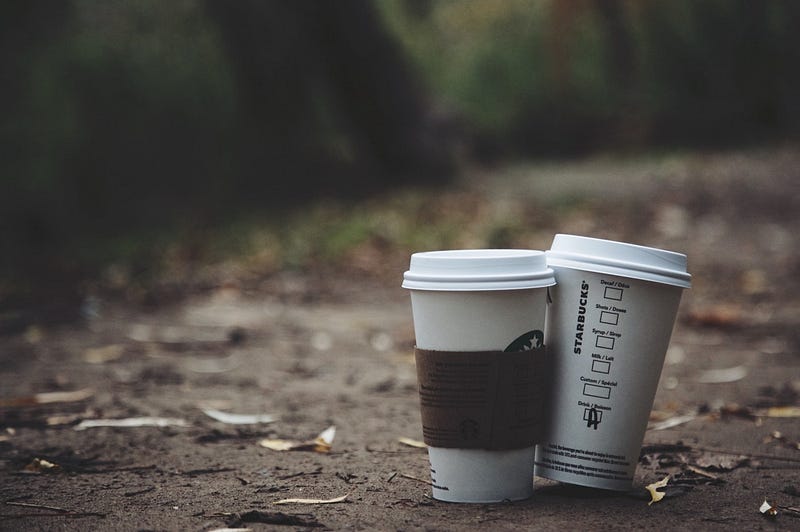
Photo by Takahiro Sakamoto on Unsplash

In an interview with CNBC, founder of Starbucks Howard Schultz accompanied incoming CEO Laxman Narasimhan to explain this CEO transition at Starbucks. He called Narasimhan “a number one draft choice” not only because of his outstanding leadership background but also because of his humility, “I’m never coming back again, because we found the right person.”

This official announcement from Schultz was big. But the Starbucks Investor Day held on 13 September 2022 was even bigger.

At the event, there were several key clarifications made on the future growth and strategy of the world’s leading coffee chain, including the rollout of Starbucks Connect, inventory automation and the implementation of the Siren System, expansion of cold-beverage options for Gen Z consumers, and growing the company’s global footprint — particularly in China where the company projects it will open 3,000 new stores by 2025. Restaurant Dive

There is also an intense focus on expanding delivery services in Japan and the United Kingdom (UK). By connecting customers in those locations to a Starbucks mobile-ordering system, the company plans to bring about an American-style shift to drive-thru cafe services in Japan and UK.

While in the United States, the focus on partnerships with other global brands demonstrates how Starbucks is enlarging its customer loyalty and rewards program. For instance, the Starbucks Rewards-Delta SkyMiles partnership came into force on 12 October 2022. This agreement allows Starbucks customers to earn more Delta SkyMiles when purchasing a beverage at Starbucks. For every $1 spent, customers will earn 1 mile at Delta Air Lines. And on the days that members have a Delta flight, they will earn double the amount of rewards on their Starbucks orders.

It’s evident that technology is playing a primary role in the company’s operations. Just look at the example of coffee customization, for which Sarah Jean Callahan claims, “one pump of extra syrup pumps up the profits for the coffee company.” She was referring to Starbucks mobile-ordering platform, which collects data on each customer’s preferences and entices them to spend more money on unique combinations of flavors based on their prior purchases.
Photo by Nathan Dumlao on Unsplash

Now, lets look at the future complexities of the geographic areas in which Starbucks has grown accustomed to operating in.

Michael Conway is the Starbucks group president of International and Channel Development. He has been responsible for carrying out many of the strategic partnerships and global initiatives the company is undergoing during a period of transformation in global markets. I have provided a list of them below:

  1. Starbucks opens a branch in an iconic coffee supply area of Antigua, Guatemala
  2. $50,000 worth of grants were given to the Philippine FoodBank Foundation and Gawad Kalinga in the Philippines
  3. First-ever Tata Starbucks store was relaunched in Mumbai, India, at the first Starbucks Reserve store in India
  4. Deal between Nestle and Starbucks to sell Seattle’s Best Coffee brand

All of those deals and partnerships have been led under the tutleage of Starbucks’ Michael Conway. It will be interesting to see how the company continues on their global pursuit under the executive leadership of Narasimhan going foward. The alliance between Starbucks and India’s TATA Coffe has been a major success in the Indian market, so I expect there will be come changes to the company’s China market strategy.

In a previous TWB about Wal-Mart and John Deere, I discussed how Wal-Mart’s competition with Amazon revolved around gaining exposure to the Chinese and Indian markets. Interestingly, in the case of Starbucks, the company already has a wide exposure to both the Chinese and Indian markets, so it’s not surprising that the company is coming up with creative ways to expand into other global markets.

Heading into 2023 the world is expecting further volatility in global commodity markets and geopolitical trends. Starbucks has perfected its global footprint by offering customers advantages in price affordability and preferences. But the values and culture of the company mean so much more to the consumers. That’s why founder Howard Schultz admitted to the Harvard Business Review (HBR) in 2010, “We had to own the mistakes.”

I offer this anecdote about the company because it takes us back in time to when the United States was hit with the 2007–2009 Global Financial Recession (GFC). Starbucks was able to bounce back from the GFC, by investing in its brand strategy — i.e., by putting more emphasis on the company’s sustainability goals and environmental stewardship. This movement has been spearheaded by former CEO Kevin Johnson. As early as 2020, Johnson announced a new environmental sustainability program at Starbucks.

How will the complexities of those geographic areas, mixed in with technology investments, affect Starbucks’ environmental, socal, governance (ESG) strategy in the future? I think in order to understand the importance of ESG, we should look to Starbucks as one of the early pioneers. They really hit the ground running on ESG, formulating ideals and incorporating technology investments to reach those sustainability goals through the decades since 2010. As more and more MNCs hop on board the sustainability drive, eyes will be on Starbucks to lead the way.
Photo by Max Saeling on Unsplash

I’ll be publishing The Weekend Brief (TWB) regularly touching on aspects of the global markets (including stock markets) which are at the nexus of tech, industrials and global commodities. Please follow the publication Areas & Producers to read more content about the future of core areas and critical producers of the global economy.

Sign up for TWB newsletter here to read about how publicly-traded companies, like Glencore, are competing in the long game for global markets.

Investing
Economy
Business
Technology
Rap
Recommended from ReadMedium