avatarDei Kwasi Bright

Free AI web copilot to create summaries, insights and extended knowledge, download it at here

1418

Abstract

and exploitation of Africa and other regions.</p><h2 id="5811">Economic Exploitation:</h2><p id="13f6">Nkrumah's criticism of neocolonialism was centered on its economic aspect.</p><p id="ff1a">He emphasized the ways that Western countries, together with multinational businesses, exploited Africa's labor and natural resources, creating a vicious cycle of poverty and reliance.</p><p id="eaef">Nkrumah protested the unfair trade conditions and the implementation of structural adjustment plans that put the demands of African countries last and the interests of global capitalism first.</p><figure id="24de"><img src="https://cdn-images-1.readmedium.com/v2/resize:fit:800/1*ZL-l-WLvComb3E3s4CUTMg.jpeg"><figcaption>https://images.app.goo.gl/qQVGNnoinjB8oRkC9</figcaption></figure><h2 id="e75d">Political Subjugation:</h2><p id="e9b7">In addition, Nkrumah highlighted the political dimensions of neocolonialism, contending that recently liberated African nations continued to be susceptible to outside influence and manipulation.</p><p id="2694">He denounced Western powers for their support of coups d'état and puppet regimes in order to hold onto geopolitical dominance and control over vital resources.</p><p id="390d">In order to reclaim African sovereignty and oppose foreign dominance, Nkrumah urged African unity and solidarity.</p><figure id="aa20"><img src="https://cdn-images-1.readmedium.com/v2/resize:fit:8

Options

00/1*G47m2hm7JothdSirQ2G1ZA.jpeg"><figcaption>https://images.app.goo.gl/uVBdFVDghsQs4UeY8</figcaption></figure><h2 id="9a6a">Cultural Imperialism:</h2><p id="ca37">Nkrumah opposed neocolonialism, which included not only economic and political dominance but also the imposition of Western cultural standards and values.</p><p id="ac89">He argued that self-determination and cultural resurgence are crucial elements of emancipation and cautioned against the deterioration of African identities and traditions in the face of Western cultural imperialism.</p><h2 id="faf3">Legacy and Relevance:</h2><p id="d017">In the twenty-first century, conversations on globalization, imperialism, and development are still influenced by Kwame Nkrumah's analysis of neocolonialism.</p><p id="e1e1">His demands for cultural empowerment, economic independence, and African unity are in line with movements that support decolonization, social justice, and international cooperation.</p><p id="77ac">For those striving to undo the effects of imperialism and create a more just and compassionate future for everybody, Nkrumah's vision of a liberated Africa and a just world order continues to serve as motivation.</p><p id="c0a2" type="7">My humanity is bound up in yours, for we can only be human together."

  • Desmond Tutu</p><h2 id="1149">Click Here to get a Copy of “Neocolonialism, the last stage of Imperialism”.</h2></article></body>

Neocolonialism: The Last Stage of Imperialism in the Era of Digitization -

Insights from Kwame Nkrumah.
https://images.app.goo.gl/KhHKH9V3HaE89HQi6

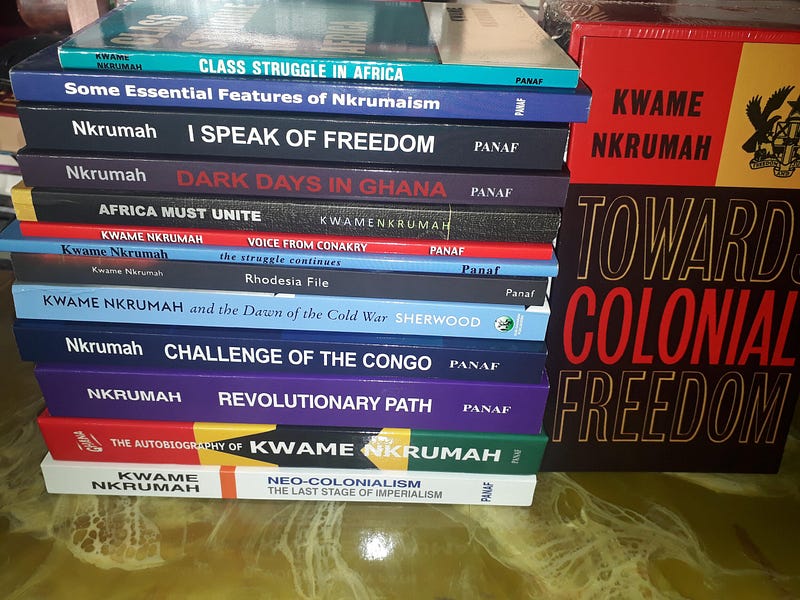
Kwame Nkrumah, the first President of Ghana and a leading figure in the African independence movement, offered profound insights into the nature of neocolonialism as the final stage of imperialism, particularly within the context of globalization. Nkrumah’s analysis sheds light on the enduring legacy of colonial domination and the challenges facing newly independent nations in the post-colonial era.

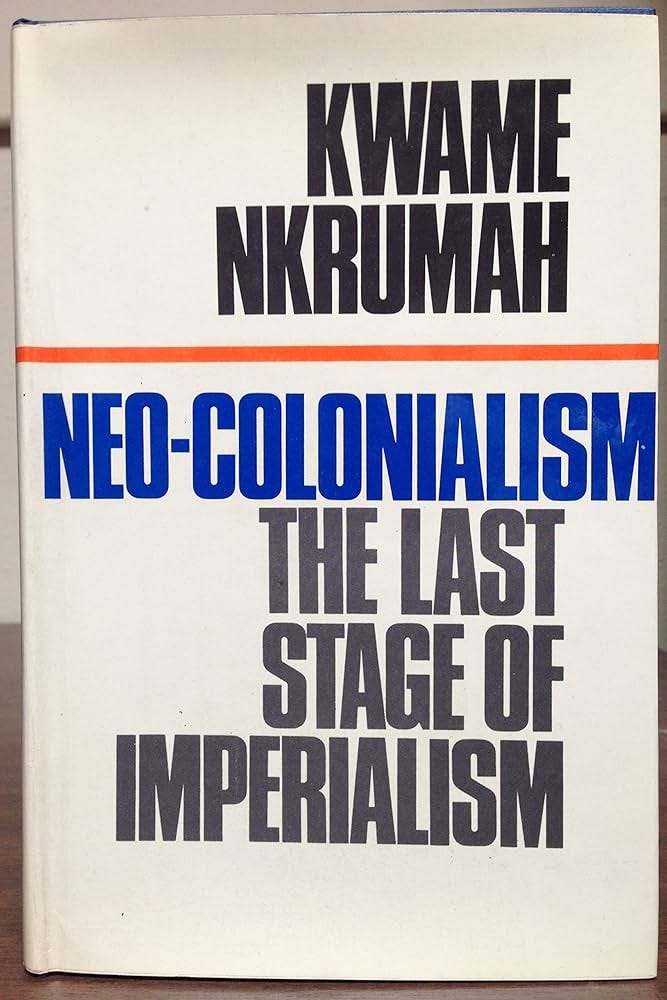
Nkrumah’s Concept of Neocolonialism:
https://images.app.goo.gl/MZ5J1sw55xNz6SyX6

Nkrumah created the word "neocolonialism" to refer to the Western powers' ongoing hegemony over the political, economic, and cultural spheres over the countries they once conquered.

He contended that although overt colonial authority had ceased, imperialist countries continued to maintain influence behind closed doors, which allowed for continued underdevelopment and exploitation of Africa and other regions.

Economic Exploitation:

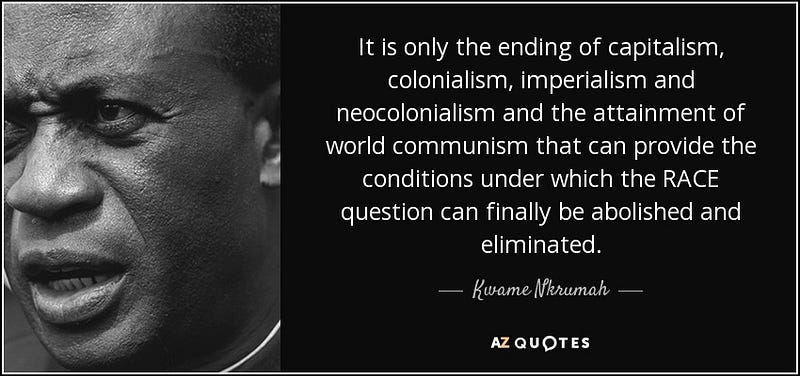
Nkrumah's criticism of neocolonialism was centered on its economic aspect.

He emphasized the ways that Western countries, together with multinational businesses, exploited Africa's labor and natural resources, creating a vicious cycle of poverty and reliance.

Nkrumah protested the unfair trade conditions and the implementation of structural adjustment plans that put the demands of African countries last and the interests of global capitalism first.
https://images.app.goo.gl/qQVGNnoinjB8oRkC9

Political Subjugation:

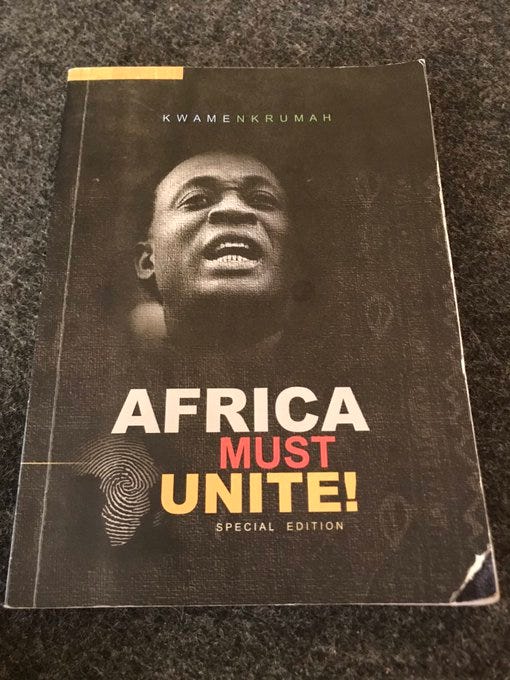
In addition, Nkrumah highlighted the political dimensions of neocolonialism, contending that recently liberated African nations continued to be susceptible to outside influence and manipulation.

He denounced Western powers for their support of coups d'état and puppet regimes in order to hold onto geopolitical dominance and control over vital resources.

In order to reclaim African sovereignty and oppose foreign dominance, Nkrumah urged African unity and solidarity.
https://images.app.goo.gl/uVBdFVDghsQs4UeY8

Cultural Imperialism:

Nkrumah opposed neocolonialism, which included not only economic and political dominance but also the imposition of Western cultural standards and values.

He argued that self-determination and cultural resurgence are crucial elements of emancipation and cautioned against the deterioration of African identities and traditions in the face of Western cultural imperialism.

Legacy and Relevance:

In the twenty-first century, conversations on globalization, imperialism, and development are still influenced by Kwame Nkrumah's analysis of neocolonialism.

His demands for cultural empowerment, economic independence, and African unity are in line with movements that support decolonization, social justice, and international cooperation.

For those striving to undo the effects of imperialism and create a more just and compassionate future for everybody, Nkrumah's vision of a liberated Africa and a just world order continues to serve as motivation.

My humanity is bound up in yours, for we can only be human together." - Desmond Tutu

Click Here to get a Copy of “Neocolonialism, the last stage of Imperialism”.

Digital Transformation
Globalization
Politics
Imperialism
Pan Africanism
Recommended from ReadMedium