
Nekogomi, the Japanese Art of Cat Litter
An ancient aesthetic philosophy rooted in cat poo
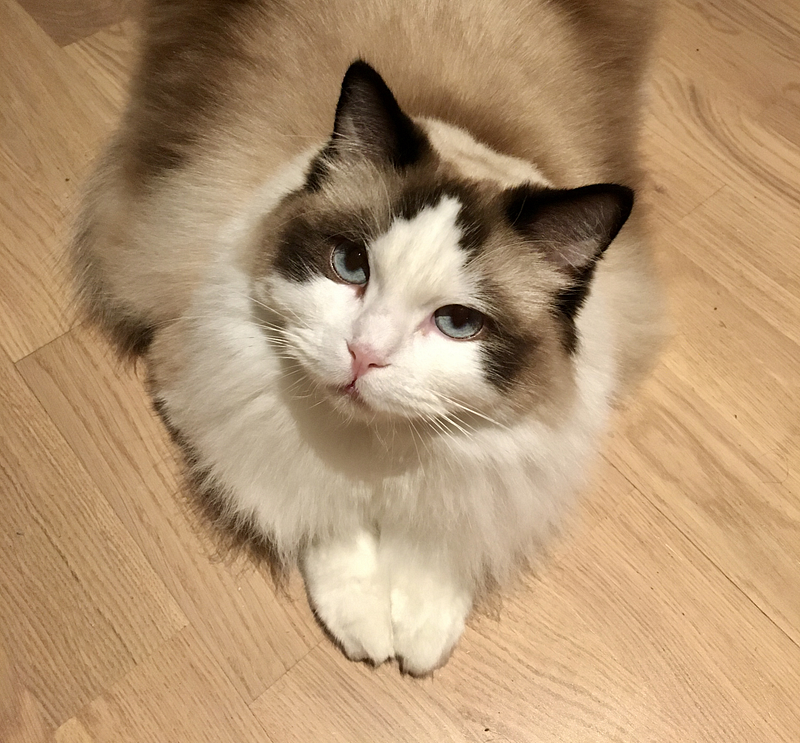
In Japanese, nekonotoirego — literally, the way of the cat litter, is often shortened into nekogomi — cat garbage. It’s an ancient aesthetic philosophy rooted in cat poo and a modern art form practiced by cats and cat lovers everywhere.
The idea of nekogomi doesn’t necessarily mean the owners are slaves to their cats. With time, humans learn to appreciate the artfulness of their furballs.
Cleaning and changing the cat’s litter becomes an interactive meditation, a fun and enriching experience that is too rarely recorded for posterity.
Thankfully, cats have their secret ways of communicating, and the precious knowledge of nekogomi has been transmitted for more generations than we can count. Contrary to a common belief, pellets inside and around the litter box are not randomly scattered; cats follow the rules of Karesansui — garden shaping.
Paraphrasing the karesansui expert Anika Ogusu, while inexperienced cat owners tend to focus on the pellets arrangement, the skills to create such a litter box garden are more accurately reflected by the empty space between the poos.
“It is called yohaku no bi — the beauty of empty space.”
While the underlying mechanisms aren’t fully understood, it has been repeatedly observed that cats with access to gardens and nature tend to develop their nekogomi practice in directions similar to the ikebana flower arrangement traditions of their owners.
Some cats also enjoy constructing larger landscapes of sand and stones — the art of bonseki. Traditionally, keyboards are used as trays. The pellets, mixed with strands of fur, harmoniously fill the spaces between the keys.
Worth noting, bonseki-litter masters can nap on the laptop while designing the scenery of their choice. The landscapes usually contain hidden messages — conventionally about the continuous drop in food quality.
Despondent from their servants’ lack of meowing understanding, cats also communicate in written form. The cats’ shodo — the way of beautiful writing, is best practiced using softwood pellets. Hardwood pellets tend to aggregate faster, breaking the harmony of the prose. Habitual themes revolve around food quality and its lack thereof.
In Japanese, Nekonotoirego — literally, the way of the cat litter (often shortened to nekonokuso — cat poo) doesn’t exist. But it should.
Smillew is a Medium sized writer who writes mainly about his cat, his Medium newsletter, and his Medium referral link. No need to follow him; he’ll show up in your feed.


