
Neglect the Forgotten Abuse
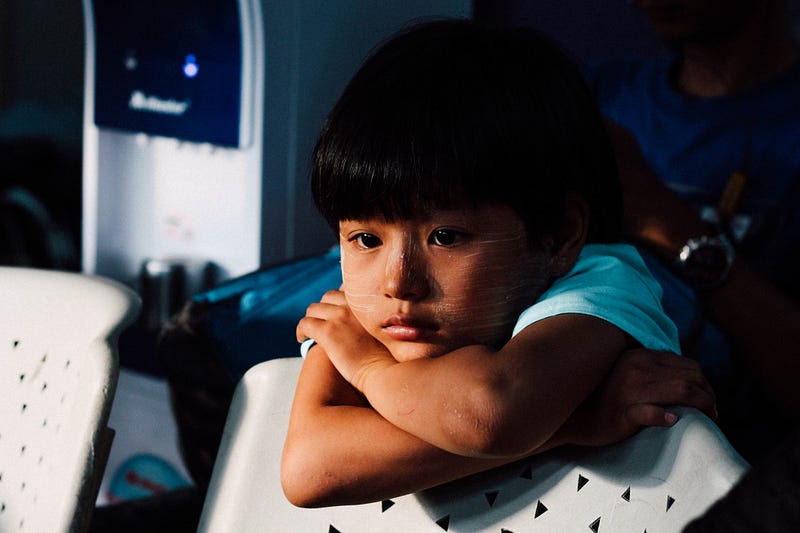
Childhood neglect is the most common form of child maltreatment. In fact, the U.S. Department of Human Services in 2002 found that child neglect accounted for more than 60% of child abuse cases (De Bellis, 2005). A lot of attention is paid to forms of abuse, such as sexual and physical. However, little research has been done about it.
In this article, we will examine together neglect and its long-term effects on adults.
Defining Neglect
A team of researchers working with people living with the diagnosis of dissociative identity disorder found that among their patients, 86% had a history of sexual abuse, and 79% had a history of physical abuse (Brand et al. 2009). Like in so many studies, neglect was not examined, leaving a gaping hole in our knowledge of its long-term effects on children.
Childhood neglect happens when the parents of children fail to respond to their child’s most basic needs. Unlike sexual and physical abuse, sometimes neglect is not intentional, but a vast majority of it is considered so. Child neglect is absolutely a form of abuse as there is a massive deficit in meeting the child’s need for housing, clothing, food, and emotional support. All these things are the building blocks for an emotionally healthy child.
The causes of neglect might be from several parenting problems, including substance abuse, domestic violence, mental health problems, and in some cases, poverty. Parental failure to provide for a child’s needs when help is available is quite different than if there are no options.
Childhood neglect depends significantly upon the child’s and society’s perceptions of the parent’s behavior. It is not just how parents how the parents perceive they are taking care of their children. Societal norms can make it look as though a child is being neglected when, in reality, the apparent neglectful behavior of the parent towards the child is expected.
Childhood Emotional Neglect
While neglect of basic human needs is particularly heinous, childhood emotional neglect is a different animal altogether and is the most common type. This abuse happens when a parent or parents do not meet their child’s needs for closeness and appropriate reactions to the child’s distress. In other words, the parents do not show empathy or appropriate emotional responses when their children are hurt, afraid, or need emotional support.
Emotional neglect leaves children fending for themselves in times of distress, and eventually, they will stop asking for help. These kids are lonely, fragile, and continually being brushed aside from the very people who should be loving them and supporting them. They learn early on that they are not important, and this belief carries into adulthood if not corrected.
Child emotional neglect is difficult for doctors or other caregivers to notice unless it is extreme, and even then, it may carry on undetected. This is because most caregivers are not trained to recognize the subtle signs that a child is experiencing emotional neglect.
The Symptoms of Emotional Neglect
Although not always visible, some signs become apparent overtime after the effects have begun to appear. Some common signs of emotional neglect include:
· Apathy
· Failure to thrive
· Depression
· Anxiety
· Low self-esteem
· Hyperactivity
· Substance abuse (do not be fooled, children can drink alcohol and use drugs too)
· Appearing uncaring
· Appearing indifferent
· Withdrawing from friends
· Withdrawing from normal childhood activities
· Avoiding emotional closeness or intimacy
· The formation of mental health disorders such as DID and borderline personality disorder
(Source: Healthline.com)
From this list, it is quite apparent that childhood neglect is a severe problem that negatively impacts children.
Indeed, a study conducted by De Bellis et al. in 2009, discovered the following:
“Neglected children demonstrated significantly lower neurocognitive outcomes and academic achievement than controls. Lower IQ, neurocognitive functions, and achievement may be associated with more PTSD symptoms (particularly re-experiencing symptoms), greater PTSD severity, and a greater number of maltreatment experiences. Trauma experiences may additionally contribute to subsequent neurodevelopmental risk in neglected children.”
The scars of childhood emotional neglect run deep and can change the outcome of a child’s life forever.
The Effects on Adults from Childhood Emotional Abuse
As one might expect from the information above, the outcome of neglected children when they become adults is horrible. Because their needs were not validated or met adults who grew up in neglectful homes may not understand what to do with their emotions or the emotions of others.
Below are just some of the effects neglect has on adult children of neglect.
· Eating disorders
· Post-traumatic stress disorder
· Complex Post-Traumatic Stress Disorder
· Depression
· Avoiding intimacy
· Feeling empty
· Harboring guilt and shame
· Poor self-discipline
· Feeing deeply flawed
· Difficulty trusting and relying on others
· Anger and aggressive behaviors toward others
· Passive-Aggressive behaviors toward others
(Source: Healthline.com)
The baggage that adults who were neglected as children carry into their adult lives is heavy indeed. They, in turn, might neglect their children’s needs, not understanding what to do as they were never taught.
Therapies to Treat Childhood Neglect and Adults
Being maltreated in childhood is not a death sentence. There are ways for survivors to overcome what did or did not happen when they were children. However, it will take first recognizing that where survivors were, is not forever decisive on where they will be in the future.
There are three steps to helping adults in overcoming childhood neglect, and an examination of these methods is below.
First, survivors must acknowledge how childhood neglect has occurred and how it has affected their adult lives. Like with alcohol treatment, the first step is admitting there was a problem. Only then can the real healing work begin. Facing the facts of childhood, that there was not the nurturance that was needed to help survivors thrive as kids are painful. However, allowing oneself to face head-on the knowledge of what did or did not occur is necessary to move forward in the healing process.
Second, survivors need to look for the ways that the neglect they suffered as children has affected their adult intimate relationships. It is not uncommon for survivors to veer away from intimacy and to fear becoming dependent on anyone but themselves. One must learn to allow themselves to let others in and not to be terrified
Lastly, to accomplish all the above, one must be ready to seek professional mental health help. One may not be able to overcome what happened in childhood on their own, and there are trained individuals who can assist in becoming grounded and moving on with life. It is vital to remember that there are no magic treatments, it will take dedication on the part of the survivor to heal.
Childhood neglect is a crime against humanity perpetrated against children that is just as heinous as any other form of child abuse. It is up to society to step up and find ways to end the suffering of the smallest and most helpless among us.
“It never really ends… Children surviving through the cold winds of neglect, and all kinds of misfortune and vile treatment. We see them every day, with broken smiles that endure the painful kicking of their malnourished bellies protruded with dreams that may never see the light of conception… But with just a little kind word, A handful of promise, A heart of compassion, A smile full of hope, We would hold hands together in helping them conceive their dreams… Because they are the little bits and pieces that make us whole…” ― Chinonye J. Chidolue
References
Brand, B. L., McNary, S. W., Myrick, A. C., Classen, C. C., Lanius, R., Loewenstein, R. J., … & Putnam, F. W. (2013). A longitudinal naturalistic study of patients with dissociative disorders treated by community clinicians. Psychological Trauma: Theory, Research, Practice, and Policy, 5(4), 301.
De Bellis M. D., (2005). The Psychobiology of Neglect. CHILD MALTREATMENT, Vol. 10, №2, May 2005 150–172
DOI: 10.1177/1077559505275116
De Bellis, M. D., et al. (2009). Neuropsychological Findings in Childhood Neglect and their Relationships to Pediatric PTSD. J Int Neuropsychol Soc. 2009 November ; 15(6): 868–878. doi:10.1017/S1355617709990464


