
Navigating the World of Agile Wannabes: A Satirical Yet Insightful Exploration
In the contemporary business landscape, Agile methodologies have revolutionized the way organizations approach project management and product development. However, with the widespread adoption of Agile practices, a peculiar phenomenon has emerged — the rise of the “Agile Wannabes.” These are individuals, teams or companies that superficially adopt Agile terminologies and methodologies without a deep understanding or commitment to the underlying principles. This superficiality not only hinders the true potential of Agile but also poses significant risks to organizational productivity and team dynamics.

In the dynamic world of Agile methodology, there’s a fascinating spectrum of personalities that bring both colour and challenge to the process. Let’s dive into the world of the “Agile Wannabes,” a satirical yet insightful look at various characters you might encounter in an Agile environment.
The Agile CEO: The Visionary, Yet Not Always Grounded
The Agile CEO is a figure brimming with visionary ideas and a passion for innovation. However, they often appear somewhat disconnected from the day-to-day realities of their teams. They speak in grand narratives of transformation and agility but may struggle to grasp the nitty-gritty of Agile practices. This disconnect can sometimes lead to unrealistic expectations and a gap between strategy and execution.
The Agile CTO: Innovator or Overwhelmed Technocrat?
Next in line is the Agile CTO, surrounded by the latest tech gadgets, always on the brink of the next big technological breakthrough. Their world is one of continuous innovation, but this constant pursuit can sometimes overwhelm even the best. The challenge here is maintaining a balance between embracing new technologies and ensuring they genuinely contribute to Agile processes rather than complicating them.
The Project Manager: The Post-it Aficionado
Enter the Agile Project Manager, whose kingdom is a fortress of whiteboards and post-it notes. They are the orchestrators of sprints and stand-ups, yet they can become so entangled in the methodology that they lose sight of the project’s larger goals. The risk here is prioritizing process over progress, where the rituals of Agile overshadow its essence.
The Developer: “Who Needs Documentation?”
The Developer in the Agile setting often rebels against extensive documentation, citing agility as their mantra. While this approach emphasizes speed and adaptability, it can sometimes lead to a lack of clarity and continuity, especially in larger teams. The challenge is finding a middle ground where the necessary documentation is not dismissed in the name of agility.
The “Quote Guy”: Living by the Agile Book
Here’s the team member who breathes and lives Agile principles, often quoting Agile gurus at every turn. Their mantra might be the famous “two pizzas” rule for team sizes. While their dedication is commendable, it can sometimes border on dogmatism, where Agile principles are followed rigidly without room for context-specific adaptations.
The Retrospective Complain Guy: The Critic in the Room
Every Agile team has its critics, often most vocal during retrospectives. While their critiques are meant to improve processes, they can sometimes become a source of negativity, focusing more on problems rather than solutions. Balancing criticism with constructive feedback is crucial for this character.
The Advisor: Agile’s Aloof Sage
The Advisor, often a consultant, comes with a trove of Agile wisdom. They provide insights and best practices but can sometimes be detached from the practical challenges faced by the team. Their challenge is to bridge the gap between theoretical knowledge and practical application.
The Process Zealot: Rigidity in the Name of Agility
The Process Zealot is fervently devoted to Agile methodologies, but in a way that ironically contradicts the flexible nature of Agile. They insist on following every Agile practice by the book, regardless of whether it suits the project’s needs. This rigidity can stifle innovation and adaptability, turning Agile into a set of rigid rules rather than a framework for dynamic and responsive project management.
The Process Zealot’s strict adherence can lead to a bureaucratic and inflexible environment, negating the very essence of Agile. They need to learn that Agile is more about adapting to change and less about rigidly following processes.
The Tool Enthusiast: Over-Reliance on Agile Tools
This character is enamoured with every new Agile tool or software, believing that tools are the key to successful Agile implementation. While tools are helpful, the Tool Enthusiast often overlooks the importance of team interactions and collaboration, focusing more on the digital aspects of Agile than on the human elements.
Their over-reliance on tools can lead to a depersonalized work environment where the focus is more on interacting with software than on team members. Balancing the use of tools with personal interactions is crucial for this character.
The Metrics Obsessor: Quantifying Over Qualifying
The Metrics Obsessor is fixated on tracking every conceivable Agile metric, often losing sight of the project’s bigger picture. They believe that success can be entirely measured through velocity charts, burn-down graphs, and other metrics, neglecting the qualitative aspects like team morale and client satisfaction.
Their obsession with quantification can create a myopic view where numbers overshadow real progress and team well-being. They need to understand that while metrics are important, they are not the sole indicators of success in Agile.
The Standup Skipper: Dodging Daily Interactions
This Agile Wannabe often finds reasons to skip daily stand-ups or participate minimally. They see these meetings as unnecessary or a waste of time, not realizing that these interactions are crucial for synchronizing and energizing the team.
The Standup Skipper needs to recognize the value of daily meetings in building team cohesion and ensuring everyone is aligned with the project’s goals. Consistent participation is key to leveraging the benefits of Agile practices.
The Sprint Rusher: All About Speed, Not Sustainability
The Sprint Rusher is obsessed with speed, pushing the team to complete sprints at an unsustainable pace. They equate Agile with fast delivery, often at the cost of quality and team well-being. This approach can lead to burnout and a decline in product quality over time.
They need to understand that Agile is about sustainable development and delivering value, not just about speed. Balancing pace with quality and team health is essential.
The Retrospective Dodger: Avoiding Reflection and Feedback
This character often downplays or avoids retrospective meetings, seeing them as unproductive or uncomfortable. They miss out on the opportunity to reflect on what went well and what could be improved, which is vital for continuous improvement in Agile.
The Retrospective Dodger needs to embrace these sessions as opportunities for growth and learning, understanding that constructive feedback is a cornerstone of Agile development.
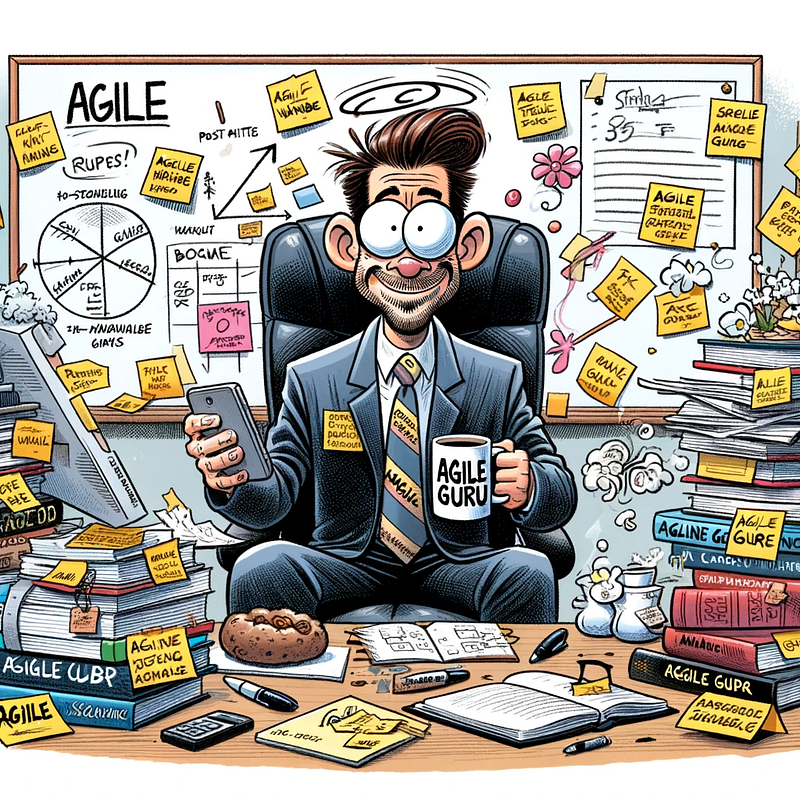
Each of these characters highlights a different aspect of how Agile can be misconstrued or misapplied. Addressing these challenges requires a commitment to the core principles of Agile:
individuals and interactions over processes and tools, working software over comprehensive documentation, customer collaboration over contract negotiation, and responding to change over following a plan.
By recognizing and addressing the traits of Agile Wannabes, organizations can steer closer to the true essence and benefits of Agile methodologies.
Dealing with Agile Wannabes requires a blend of tactical strategies and a deep commitment to nurturing the authentic Agile mindset within the organization.
The Challenges They Pose
These Agile Wannabes, in their various avatars, create environments that are antithetical to true Agile principles. They breed confusion, inefficiency, and frustration among teams. Their actions create a facade of agility while stifling genuine innovation and collaboration.
Here are some strategies to effectively handle different Agile Wannabe characters and steer them towards true Agile practice:
Strategies for Each Agile Wannabe Type
The Process Zealot
- Strategy: Introduce Flexibility. Encourage the Process Zealot to experiment with varying degrees of process adherence. Facilitate workshops or training sessions that emphasize the Agile values of individuals and interactions over processes and tools. Case studies showing successful Agile projects that required adaptive processes can be particularly enlightening.
The Tool Enthusiast
- Strategy: Balance Tools with Team Dynamics. Organize team-building activities that focus on direct communication and collaboration without the use of tools. Also, periodically review the toolset to ensure that each tool genuinely adds value and does not hinder team interaction.
The Metrics Obsessor
- Strategy: Broaden the Focus. Work with the Metrics Obsessor to develop a more holistic set of success criteria that include qualitative aspects like team satisfaction, customer feedback, and innovation. Encourage them to see metrics as guides, not absolutes.
The Standup Skipper
- Strategy: Reinforce Meeting Value. Address their concerns directly to understand why they find standups unproductive and adjust the format if necessary. Highlight the importance of these meetings in keeping the team aligned and motivated.
The Sprint Rusher
- Strategy: Prioritize Sustainable Pace. Implement regular check-ins to assess team workload and stress levels. Educate the Sprint Rusher on the long-term benefits of sustainable pace, including better quality outputs and reduced burnout.
The Retrospective Dodger
- Strategy: Cultivate a Feedback Culture. Make retrospectives more engaging and less daunting by using different formats and ensuring a safe, blame-free environment for feedback. Show the tangible improvements that come from acting on retrospective insights.
The Agile CEO & CTO
- Strategy: Align Vision with Practice. Workshops and regular discussions can help bridge the gap between their vision and the team’s practical Agile practices. Encourage them to participate in Agile ceremonies to gain firsthand experience.
The Quote Guy
- Strategy: Channel Enthusiasm Effectively. Utilize their enthusiasm by assigning them roles in training or mentoring sessions. Encourage them to share case studies or examples where Agile principles were applied successfully.
The Retrospective Complain Guy
- Strategy: Turn Complaints into Constructive Feedback. Guide them to frame their complaints as actionable items and involve them in the solution process. This approach can transform negative energy into positive change.
The Advisor
- Strategy: Integrate Theory with Practice. Encourage the Advisor to work closely with teams on specific projects. This hands-on experience can provide them with practical insights to complement their theoretical knowledge.
General Strategies
- Promote Continuous Learning: Foster an environment where continuous learning is valued. Encourage team members to attend Agile workshops, webinars, and conferences.
- Leadership Involvement: Ensure that leadership is not just preaching Agile but practising it. Their active involvement can set a powerful example.
- Tailored Coaching: Provide personalized coaching or mentoring to help individuals understand and embrace the true Agile spirit.
- Regular Feedback: Implement regular feedback loops not just for projects but for Agile practices themselves. This can help identify and rectify any misapplications or misunderstandings of Agile.
- Celebrate Agile Successes: Recognize and celebrate instances where true Agile principles have led to successful outcomes. This not only motivates the team but also showcases the benefits of genuine Agile practice.
- Introducing flexibility to help the Process Zealot and Tool Enthusiast adapt Agile practices more effectively.
- Balancing metrics with qualitative feedback to guide the Metrics Obsessor.
- Encouraging consistent participation in Agile rituals like stand-ups and retrospectives to engage the Standup Skipper and Retrospective Dodger.
- Fostering a culture of continuous learning and feedback to transform Agile Wannabes into Agile champions.
Remember, the goal is not to reprimand but to guide and cultivate a deeper, more authentic understanding and practice of Agile.
Towards Authentic Agile Adoption
The journey through the world of Agile Wannabes is not just a cautionary tale but also a call to action. It beckons organizations and individuals to embrace Agile not just in word but in spirit. By recognizing and addressing the quirks and misapplications of Agile, we can steer towards a future where Agile methodologies are implemented authentically and effectively, harnessing their true potential to drive innovation, efficiency, and team cohesion. In this journey, every team member’s role is crucial in shaping a genuine Agile culture, transforming challenges into opportunities for growth and excellence. Remember, the essence of Agile lies not in rigid adherence to practices but in the adaptive, collaborative, and customer-centric mindset it fosters.
The key to transcending the Agile Wannabe syndrome lies in a genuine commitment to the Agile philosophy. This requires moving beyond the superficial adoption of its practices and embracing its core principles. Organizations must foster a culture of continuous learning, where Agile is not just a methodology to be implemented but a mindset to be cultivated. This involves training, mentorship, and most importantly, a leadership that not only talks the Agile talk but also walks the Agile walk.
The Problematic Facade of Agile Wannabes
The Agile Wannabe syndrome is characterized by an overemphasis on the rituals and jargon of Agile practices, often at the expense of its core values like collaboration, customer-centricity, and adaptability. Organizations infested with Agile Wannabes exhibit a curious paradox: while outwardly championing Agile methodologies, they are ironically mired in inefficiencies and ineffectiveness. This situation stems from a fundamental misalignment between the superficial adoption of Agile practices and the deeper need for an Agile mindset.
Impact on Productivity and Team Dynamics
The repercussions of this misalignment are far-reaching. First, it leads to a dilution of Agile principles, transforming what should be dynamic, iterative processes into rigid, bureaucratic rituals. The result is a pseudo-Agile environment where the form is prioritized over substance. For instance, daily stand-ups or sprint planning meetings become mere tick-box exercises rather than forums for meaningful collaboration and problem-solving.
Second, Agile Wannabes often create an environment of confusion and frustration among team members. The misuse or misunderstanding of Agile terminologies and practices can lead to a lack of clarity in roles, responsibilities, and processes. This confusion inevitably results in decreased productivity, as team members struggle to navigate through the maze of misapplied Agile practices.
A Red Flag for Potential Employees and Partners
For individuals considering joining an organization, or for external partners looking to collaborate, the presence of Agile Wannabes should be a significant red flag. It signals a deeper organizational issue: a disconnect between what is professed and what is practised. This gap often indicates a lack of commitment at higher management levels to truly embrace and understand the Agile way of working. Consequently, it suggests potential challenges in areas such as innovation, responsiveness to market changes, and internal communication.
As we reflect on the journey through the landscape of Agile Wannabes, it’s crucial to recognize that the path to genuine Agile transformation is both challenging and rewarding. The pitfalls associated with superficial Agile adoption serve as important lessons, reminding us of the value of authenticity and commitment in our professional endeavours.

Embracing the True Agile Spirit
The true spirit of Agile lies in its power to foster innovation, adaptability, and collaboration. When embraced fully, Agile methodologies can transform not just how we work, but also how we think and interact. This transformative power is not just for the select few but for every individual in an organization, from the CEO to the newest team member.
The Call for Agile Champions
To overcome the challenge of Agile Wannabes, we need Agile Champions — individuals who embody the Agile mindset and inspire others to do the same. You can be that champion. Whether you’re a project manager, a developer, or in a leadership position, your commitment to understanding and living the Agile principles can ignite a ripple effect of positive change in your organization.
Building a Future of Agile Excellence
Imagine a future where Agile is not just a methodology applied in meetings and project plans, but a way of life that permeates every aspect of your organization. This future is possible. It starts with each one of us taking the steps to learn, grow, and truly understand what it means to be Agile.
The Journey Ahead
As you move forward in your Agile journey, remember that the road to mastery is a continuous one. There will be challenges and setbacks, but each one is an opportunity to learn and grow. Embrace these challenges with an open mind and a commitment to continuous improvement.
Your Role in Shaping Agile Cultures
Your role in shaping a genuine Agile culture is invaluable. Your actions, your commitment to learning, and your willingness to embrace change can make a significant difference. Be the beacon of Agile authenticity in a sea of wannabes. Lead by example, inspire your peers, and together, create an environment where true Agile principles thrive.
To Wrap Up
As we conclude our whimsical journey through the land of Agile and its curious inhabitants, the “Agile Wannabes,” it’s essential to reflect on the journey with a twinkle in our eye and a resolve in our step. Agile, in its true essence, is not just a methodology but a call to innovation, a symphony of efficiency, and a dance of collaboration. Yet, as with any great symphony, it sometimes hits a few off-notes, especially when played by those more enthusiastic than skilled — our beloved Agile Wannabes.
But fear not, for every Wannabe holds the potential to transform into an Agile Maestro. Yes, they may currently be more adept at juggling post-its than juggling tasks, and their understanding of Agile might be as clear as a foggy morning in Berlin. However, with guidance, patience, and a touch of Agile magic, these enthusiastic souls can find their rhythm in the Agile orchestra.
Remember, behind every Agile Wannabe’s enthusiastic misuse of buzzwords and overzealous adoption of methodologies, lies a potential Agile champion waiting to be nurtured. It’s our collective responsibility, as fellow Agile enthusiasts, to gently steer these Wannabes away from the rocky shores of superficial practice and towards the enlightened path of true Agile understanding.
So, let’s embrace our Agile Wannabes with open arms (and perhaps a handy glossary of Agile terms). Let’s guide them with the patience of a saint and the wisdom of a seasoned Scrum Master. For in doing so, we not only strengthen our teams but also uphold the true spirit of Agile — a spirit of continuous improvement, collaboration, and, most importantly, the ability to have a hearty laugh at ourselves.
In closing, remember that every great Agile practitioner once started as a Wannabe. It’s the journey from Wannabe to Agile sage that makes the story worth telling. So, here’s to the Wannabes — may your retrospectives be insightful, your sprints be efficient, and your Agile journey is as enriching as it is amusing. Onward, to Agile greatness!