
Navigating the Non-Linear Career Path: Flexibility & Learning as the New Norm
Discover the benefits of non-linear career paths in 2024. Learn how flexibility, continuous learning, and adaptability can enhance your career and personal growth in today’s ever-changing job market.
✨Don’t forget to 👏 and comment💬 to share your views/thoughts. ✨
Introduction: The Evolution of Career Trajectories
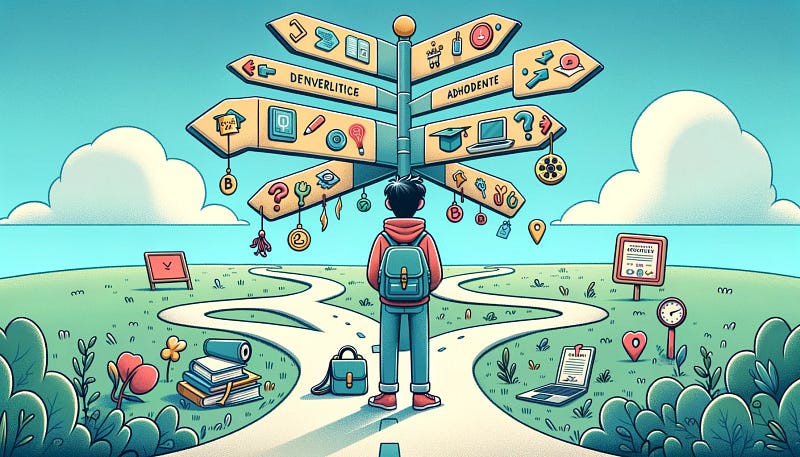
In the past, careers used to follow a straight path. You start at one job, climb the ladder, and retire from the same company. But things are changing! Technology is advancing, and the gig economy is booming. Plus, events like the pandemic have shaken up the way we work. Now, traditional career paths are not the only option. Enter non-linear career paths!
Non-linear careers are like a choose-your-own-adventure book. Instead of one straight path, you have many twists and turns. You might work in different industries, try various roles, or even start your own business. It’s all about flexibility and adapting to change. So, let’s dive in and explore this exciting new way of building a career!

The New Career Paradigm
In today’s ever-evolving job market, traditional career paths are making way for a new paradigm: non-linear career trajectories. Unlike the conventional linear model, where individuals follow a predefined path of progression within a single field or industry, non-linear career paths offer a more dynamic approach to professional development.
Defining Non-Linear Career Paths
Non-linear career paths are characterized by their lack of a predetermined trajectory. Instead of following a straight line from entry-level positions to higher roles within the same field, individuals on non-linear paths may switch industries, take on freelance work, or pursue entrepreneurship at various points in their careers. This flexibility allows for exploration and adaptation to changing personal and professional goals.
Contrasting with the Linear Model
In contrast, the linear career model adheres to a more rigid progression. It typically involves starting at an entry-level position and steadily climbing the corporate ladder within a single industry or organization. While this model may offer stability and predictability, it often lacks the variety and autonomy that many individuals seek in their careers.
Factors Driving the Shift
Several factors contribute to the increasing popularity of non-linear career paths:
- Desire for Work-Life Balance: As work-life balance becomes a priority for many professionals, non-linear careers offer greater flexibility in managing personal and professional responsibilities.
- Personal Fulfillment: Non-linear career paths allow individuals to pursue their passions and interests, leading to greater satisfaction and fulfillment in their work.
- Changing Nature of Work: Technological advancements and globalization have transformed the way we work, creating new opportunities for remote work, freelancing, and entrepreneurship. Non-linear careers capitalize on these changes by embracing flexibility and innovation.

Embracing the New Norm
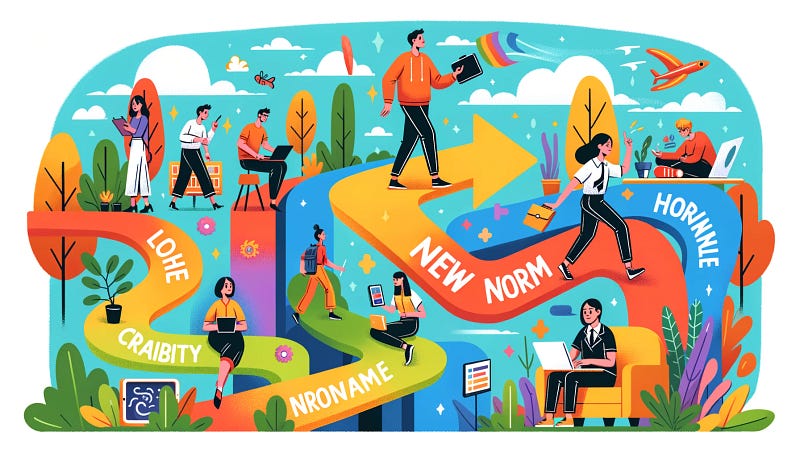
In today’s dynamic job market, non-linear career paths represent a shift towards greater autonomy and personalization in professional development. By breaking away from traditional constraints, individuals can create unique career trajectories that align with their values, interests, and aspirations. As the workforce continues to evolve, embracing the new paradigm of non-linear careers may hold the key to long-term success and fulfillment.
Advantages of a Non-Linear Approach
In today’s rapidly changing job market, embracing a non-linear career path offers numerous advantages that can enhance both professional success and personal fulfillment.
Greater Flexibility
One of the key benefits of pursuing a non-linear career is the increased flexibility it provides. Unlike traditional linear career paths, which often follow a predetermined trajectory, non-linear careers allow individuals to explore various opportunities and make strategic shifts based on their evolving interests and priorities. This flexibility enables individuals to adapt to changing circumstances, such as family responsibilities, health concerns, or shifting market demands, without being confined to a single career track.
Diverse Skill Set Development
Non-linear career paths encourage the development of a diverse skill set, as individuals engage in different roles and industries throughout their career journey. By gaining experience in various domains, individuals can acquire a broad range of skills and competencies, making them more versatile and adaptable professionals. This diverse skill set not only enhances employability but also fosters creativity and innovation, as individuals bring unique perspectives and insights from their diverse experiences to their work.
Adaptability to Changing Job Markets
In today’s dynamic job market, where technological advancements and economic shifts continuously reshape industries, adaptability is a crucial asset. Non-linear career paths cultivate adaptability by exposing individuals to different environments, challenges, and opportunities. As individuals navigate transitions between roles and industries, they develop resilience and agility, enabling them to thrive in volatile and uncertain conditions. This adaptability is particularly valuable in industries undergoing rapid transformation, where traditional career trajectories may become obsolete.
Contribution to Personal Growth
Beyond professional advancement, non-linear career paths contribute to personal growth and self-discovery. By pursuing varied experiences and exploring diverse interests, individuals have the opportunity to discover their passions, strengths, and values. This self-awareness not only enhances career satisfaction but also fosters holistic personal development. Non-linear career paths encourage individuals to step out of their comfort zones, take risks, and embrace new challenges, leading to increased confidence, resilience, and fulfillment in both professional and personal spheres.
Exploration of Varied Interests
One of the most rewarding aspects of a non-linear career path is the freedom to explore varied interests and pursue multiple passions. Unlike traditional careers that may require individuals to specialize in a single field, non-linear career paths allow individuals to follow their curiosity and pursue diverse avenues of interest. Whether it’s transitioning between industries, starting a side hustle, or pursuing passion projects alongside a primary career, non-linear careers offer the flexibility to pursue a multifaceted and fulfilling professional journey.
In summary, embracing a non-linear career path offers numerous advantages, including greater flexibility, diverse skill set development, adaptability to changing job markets, contribution to personal growth, and exploration of varied interests. By embracing the opportunities afforded by non-linear careers, individuals can navigate the complexities of the modern job market with confidence and resilience, while also pursuing a fulfilling and enriching professional journey.
Navigating Challenges on the Non-Linear Journey
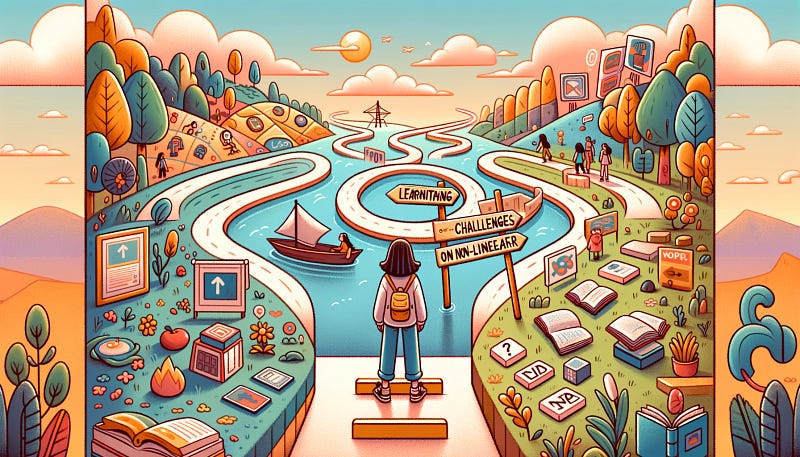
Navigating a non-linear career path can present its own set of challenges, but with the right mindset and strategies, you can overcome them and thrive in your chosen path.
Perceived Instability
One common obstacle faced by individuals on non-linear career paths is the perception of instability. Unlike traditional linear careers, where progression may seem more predictable, non-linear paths can appear uncertain. However, it’s essential to recognize that flexibility and adaptability are strengths in today’s dynamic job market.
Strategy: Embrace Change
Instead of viewing instability as a negative, reframe it as an opportunity for growth and exploration. Embrace the idea that change can lead to new experiences and opportunities for personal and professional development.
Continuous Skill Acquisition
In a rapidly evolving job market, the need for continuous learning is crucial for staying relevant and competitive. However, keeping up with new skills and technologies can feel overwhelming at times.
Strategy: Commit to Lifelong Learning
Make learning a priority by setting aside time for skill development regularly. Take advantage of online
Real-Life Success Stories
In this section, we’ll delve into real-life success stories of individuals who have embraced non-linear career paths, showcasing their diverse experiences and the valuable lessons they’ve learned along the way.
The Story of Sarah: From Engineer to Entrepreneur
Sarah started her career as a mechanical engineer, working for a leading automotive company. However, after a few years in the industry, she realized her true passion lay in entrepreneurship and technology. Despite initial doubts and fears, Sarah took the leap and founded her own tech startup, specializing in sustainable energy solutions.
Key Lesson: Sarah’s journey teaches us the importance of following our passions and not being afraid to pursue unconventional career paths. By embracing change and taking calculated risks, she was able to carve out a fulfilling career in a completely different field.
The Journey of Alex: From Corporate Lawyer to Yoga Instructor
Alex spent years climbing the corporate ladder as a successful corporate lawyer. However, constant stress and long hours left him feeling unfulfilled and disconnected from his true self. Seeking a change, Alex embarked on a journey of self-discovery and found solace in yoga and mindfulness practices. Today, he runs his own yoga studio, helping others find balance and inner peace.
Key Lesson: Alex’s story highlights the importance of prioritizing personal well-being and happiness over societal expectations. Sometimes, the most fulfilling career paths are the ones aligned with our inner values and passions.

The Experience of David: From Accountant to Artist
David spent over a decade working as an accountant in a large firm, crunching numbers and analyzing financial data. However, he always harbored a love for painting and the arts. Despite concerns about financial stability, David decided to pursue his passion for art full-time. Today, his vibrant paintings are exhibited in galleries around the world, bringing joy to countless art enthusiasts.
Key Lesson: David’s journey reminds us that it’s never too late to pursue our dreams and explore our creative side. By embracing his artistic talents, he found fulfillment and success in a non-traditional career path.
The Transformation of Emily: From Marketing Executive to Sustainable Farmer
Emily had a successful career in marketing, working for a top advertising agency. However, the fast-paced corporate world took a toll on her mental and physical health. Seeking a simpler and more meaningful life, Emily traded her high heels for work boots and transitioned to sustainable farming. Today, she runs her own organic farm, promoting eco-friendly practices and connecting with nature.
Key Lesson: Emily’s story teaches us the importance of listening to our inner voice and prioritizing our well-being. Sometimes, stepping away from the corporate rat race can lead to greater fulfillment and a deeper sense of purpose.
Conclusion
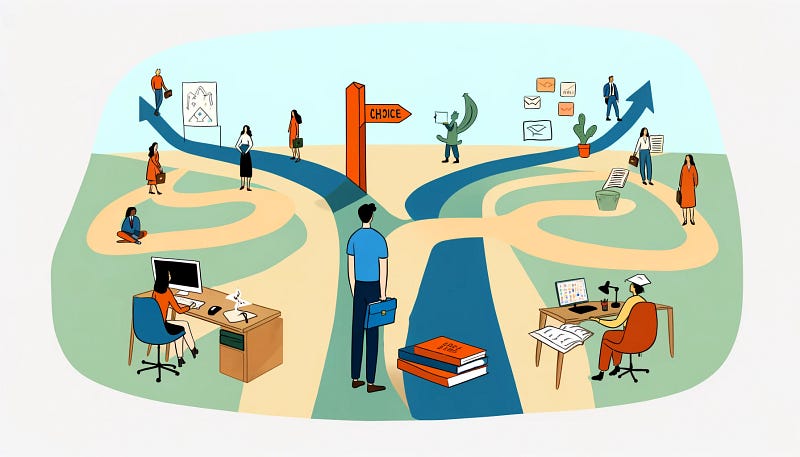
These real-life success stories illustrate the diverse paths individuals can take in their careers, emphasizing the importance of passion, resilience, and adaptability. By learning from the experiences of others, we can gain valuable insights into navigating our own non-linear career journeys and embracing the possibilities that lie ahead.
Conclusion: Embracing the Non-Linear Career Path
In this article, we’ve explored the dynamic shift towards non-linear career paths and the opportunities they present in today’s ever-changing job market. Let’s recap the key takeaways and why embracing this approach can lead to a fulfilling and successful career journey.
Summary of Key Points
- Evolution of Career Trajectories: Traditional linear career paths have evolved in response to technological advancements, the rise of the gig economy, and global events like the pandemic. Non-linear career paths offer a flexible alternative to the rigid structures of the past.
- Advantages of Non-Linear Careers: Non-linear career paths provide numerous benefits, including greater flexibility, the development of diverse skill sets, and increased adaptability. These advantages contribute to personal growth and allow individuals to explore a variety of interests.
- Challenges and Solutions: While non-linear career paths may pose challenges such as job security concerns and the need for continuous learning, strategies like networking, personal branding, and lifelong learning can help individuals overcome these obstacles.
- Real-Life Success Stories: Inspiring examples of individuals thriving in non-linear career paths demonstrate the wide applicability and potential for success in diverse industries. These stories offer valuable insights and lessons for those considering a similar path.
Embracing Flexibility and Continuous Learning
In today’s dynamic job market, embracing flexibility, continuous learning, and adaptability is essential for career success. Non-linear career paths offer a viable and rewarding alternative to traditional trajectories, allowing individuals to navigate their professional journeys on their own terms.
Final Words
As you embark on your career journey, remember that there is no one-size-fits-all approach. Embrace change, stay curious, and be open to new opportunities. By adopting a non-linear mindset, you can unlock your full potential and create a career that is both fulfilling and rewarding. Here’s to embracing the non-linear path and building a future full of growth and possibilities!
✨Don’t forget to 👏 and comment💬 to share your views/thoughts. ✨
Thanks for reading. ❤️ Leave your views/thoughts💭, I’d love to hear from you! ✨
If my words touched your soul, please consider supporting my journey: [Donate Link](https://www.buymeacoffee.com/tokyofullstack). Your generosity weaves into every story. ❤️