
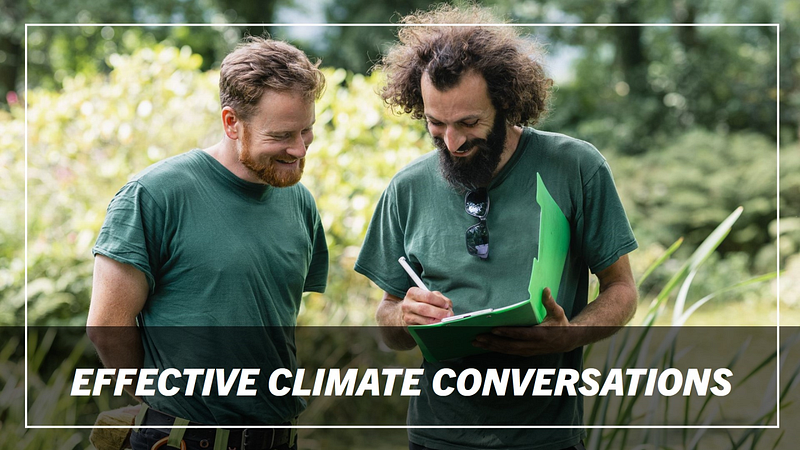
Navigating Climate Conversations: A Guide to Effective Dialogue
In an era where climate change is not just a looming threat but a present reality, conversations around it have never been more crucial. Yet, discussing climate change can be challenging, fraught with emotions, skepticism, and often, a sense of helplessness. This article aims to provide a blueprint for engaging in productive and inspiring discussions on climate change, focusing on empathy, understanding, and action.
Understanding Your Audience
Empathy at the Forefront: Recognizing the perspective and concerns of your audience is vital. A conversation tailored to their interests and values can foster a more meaningful dialogue.
Finding Common Ground: Starting the conversation from a point of shared values or concerns can lay a strong foundation for a constructive discussion.
The Backbone of Information
Armed with Facts: Being informed about the latest scientific data on climate change equips you with the confidence to address misconceptions and emphasize the reality of the situation.
Bringing Stories to Life: Utilizing specific, relatable examples of climate change impacts and action can make the abstract tangible, connecting the global issue to individual experience.
Strategies for Communication
Simplicity is Key: Avoid jargon and complex language. The essence of your message should be clear and accessible to all.
A Positive Outlook: It’s essential to balance the seriousness of climate change with hope, focusing on solutions and the benefits of action.
The Power of Narratives: Personal stories and visuals can significantly impact, often more than raw data. Share experiences that resonate on a personal level.
Inspiring Engagement
A Nudge Towards Action: Encourage your audience by offering concrete steps they can take to contribute to the solution, making the challenge seem more manageable.
The Benefits of Action: Highlight the additional positive outcomes of combating climate change, such as health improvements and economic opportunities.
Lead by Example: Your actions can inspire others. Demonstrating your commitment can encourage others to follow suit.
Dealing with Resistance
Listen and Validate: Resistance often stems from underlying concerns. Listen actively and acknowledge these fears to build a bridge for open dialogue.
Encouraging Critical Thinking: Instead of direct confrontation, ask thoughtful questions that prompt reflection on the realities of climate change.
The Journey of Learning
Stay Updated: The field of climate science and policy is rapidly evolving. Keeping informed ensures your discussions are based on the latest information.
Open to Feedback: Constructive feedback on your approach to discussing climate change can refine your strategy, making your future conversations even more impactful.
Engaging in conversations about climate change is essential in fostering a broader understanding and commitment to action. By approaching these discussions with empathy, informed optimism, and a focus on actionable steps, we can collectively contribute to a shift towards sustainability and environmental stewardship. Remember, every conversation has the potential to inspire change, making the collective effort to address climate change all the more powerful.