
STRATEGIES TO QUIT
Nature 1, Booze 0: Why Sobriety and Sunshine Make the Perfect Pair
How adding a daily dose of nature can help keep you sober
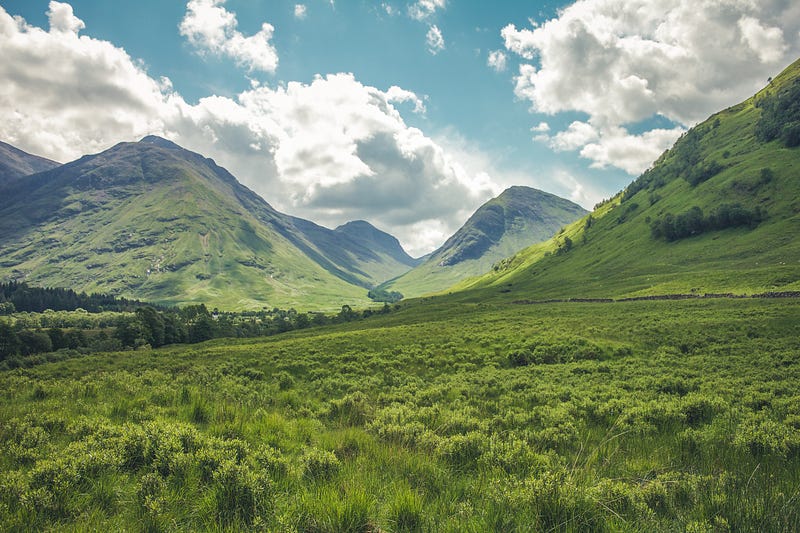
As someone who has been in recovery for three years, I know firsthand how difficult it can be to stay sober. It takes effort, focus, and a lot of support. It comes in waves, much like life, where your days are full of ups and downs. Sometimes sobriety is easy, other times it can be a real bitch.
But there’s something else that has helped me stay sober that might surprise you: being in nature.
Daily walks became a must for me, especially in my first year of sobriety. If something upset me, I went for a walk. If I was feeling good, I went for a walk. Even when I didn’t feel like going for a walk — guess what? I did.
Obviously, I knew there were health benefits to my new daily routine, but at the time I didn’t really care about those. I just felt like I needed an aspect of my life that I could control because everything else felt so chaotic.
So, I promised myself that I would take a walk every single day for at least 15 minutes outside.
Eventually, it led me to hike. Then, I got my bike out and started exploring the bike trails. With the newfound time I had, I started planting flowers in my yard and spending more time digging in the earth with my bare hands.
Little did I know, that all those small things I was doing to maintain a sense of control of my life were helping me stay sober. I could feel the benefits of my new hobbies, but what does science say about sobriety and nature?
Researchers have found that being in nature can reduce stress and anxiety, improve mood, and even decrease the risk of relapse.
One study published in the International Journal of Environmental Research and Public Health found that spending time in nature can reduce levels of cortisol, a hormone associated with stress. This is important because stress is a major trigger for many of us struggling with addiction.
When we’re stressed, our brains release chemicals like dopamine and adrenaline, which can be incredibly powerful and make us crave drugs or alcohol. By reducing stress, spending time in nature can help reduce these cravings.
Another study found that even just a short walk in nature can increase feelings of happiness and decrease feelings of anger and sadness.
Mood swings and negative emotions are common triggers for relapse. There have been many days (especially in the beginning) when I was angered and overwhelmed and the only solution my brain wanted to present to me was drinking alcohol. I felt like I could only focus on the one thing I couldn’t have.
But, by making myself go for my walk, my negative emotions were typically almost gone by the end of my walk and I no longer felt like I needed that drink.
Usually, I had worked out a better solution to my problem in my head and because I was moving my body, the feeling of overwhelm which felt like a swarm of buzzing bees was gone too.
If spending time in nature can help reduce your chances of relapsing, then why not try it?
There are a few different theories on why is nature so effective in reducing stress and improving your mood. One is that being in nature helps us disconnect from the constant stimulation of modern life.
Our phones, computers, and TVs bombard us with information and sensory input all day long, which can be overwhelming and stressful.
By contrast, nature is calming and peaceful. It’s a chance to slow down, breathe deeply, and be present in the moment.
Another theory is that nature has a restorative effect on the brain. Researchers have found that spending time in nature can increase activity in the prefrontal cortex, the part of the brain responsible for decision-making and impulse control.
Addiction often involves a breakdown in the prefrontal cortex, which can lead to poor decision-making and impulsive behavior. By strengthening this part of the brain, spending time in nature can help support recovery.
Of course, not everyone has access to a lush forest, a babbling brook, or a yard big enough for a garden. But even small doses of nature can be helpful.
A walk around the block, a trip to a local park, or even just spending time in a community garden or a friend’s backyard, can provide some of the same benefits as being in a more expansive natural setting.
If you’re in recovery and looking for ways to stay sober, consider spending more time in nature. Not only is it enjoyable and relaxing, but it can also be an important tool in maintaining sobriety.
And I’ll preach it ’til I’m blue in the face — your sobriety comes first. Always.
Spring is here and now is the perfect time for you to add a little more nature/ greenery into your life, whether you’re trying to get sober or not.