avatarCaleb

Free AI web copilot to create summaries, insights and extended knowledge, download it at here

3089

Abstract

own satellites, benefits from the support of European and American allies.</p><p id="ac11">This conflict has made clear the distinction between the militarization of space (using space capabilities to support ground military operations) and the weaponization of space (deploying weapons in orbit).</p><p id="ad73">A critical example of this was <a href="https://cyberconflicts.cyberpeaceinstitute.org/law-and-policy/cases/viasat">Russia’s cyberattack against the American satellite operator ViaSat</a>, intended to disrupt Ukrainian military communications but also impacting several European countries.</p><p id="edaf">This incident illustrates the interconnected and vulnerable nature of space assets.</p><p id="8e52">The Ukraine conflict serves as a reminder of the potential for future space warfare, where cyberattacks could target satellite communications, disrupting military operations and civilian life.</p><p id="b758">This evolving landscape underscores the critical need for secure and resilient space systems in an era where conflicts transcend terrestrial boundaries.</p><h1 id="7d7b">Bridging Terminology Gaps</h1><p id="5ca2">NASA’s approach, translating the technicalities of NIST standards into accessible language for various space mission participants, is commendable.</p><p id="c5b0">This inclusivity extends to corporates and academic institutions, broadening the guide’s applicability across different facets of space exploration and research.</p><h1 id="63ae">Understanding and Mitigating Risks</h1><p id="0b37">Misty Finical, NASA’s deputy principal advisor for enterprise protection, <a href="https://www.nasa.gov/general/nasa-issues-new-space-security-best-practices-guide/">emphasizes the guide’s role in identifying and mitigating risks</a>.</p><blockquote id="bf28"><p>“At NASA, we recognize the importance of protecting our space missions from potential threats and vulnerabilities. This guide represents a collective effort to establish a set of principles that will enable us to identify and mitigate risks and ensure continued success of our missions, both in Earth’s orbit and beyond.”</p></blockquote><p id="3032">It addresses specific threats, such as the exploitation of mission ground systems and the potential for onboard disruptions.</p><p id="64e6">By acknowledging the possibility of communication jamming and spoofing, the guide underscores the evolving nature of cyber threats in space.</p><h1 id="b0ee">A Proactive Stance on Communications Security</h1><p id="f2cf">The guide’s focus on securing communication systems against jamming and spoofing resonates strongly, especially given recent incidents where such vulnerabilities have been exploited.</p><p id="334c">This proactive stance is critical in ensuring the integrity and availability of data transmitted through space.</p><h1 id="71f6">An Evolving Framework</h1><p id="ed7f">NASA’s commitment to collecting feedback and integrating it into future versions of the guide illustrates an understanding that cybersecurity is a dynamic field.</p><p id="4753">This adaptability is vital for

Options

staying ahead of threat actors and ensuring the long-term success of space missions.</p><h1 id="7c2c">Conclusion: A Milestone for Space Cybersecurity</h1><p id="bfc7">In summary, NASA’s Space Security Best Practices Guide is a comprehensive, adaptable framework that not only protects NASA’s missions but also serves as a beacon for the entire space industry.</p><p id="66ea">This guide will undoubtedly play a crucial role in ensuring that our explorations are secure, reliable, and resilient against cyber threats.</p><div id="49a6" class="link-block"> <a href="https://medium.com/@calebpr/subscribe"> <div> <div> <h2>Get an email whenever Caleb publishes.</h2> <div><h3>Get an email whenever Caleb publishes. By signing up, you will create a Medium account if you don’t already have one…</h3></div> <div><p>medium.com</p></div> </div> <div> <div style="background-image: url(https://miro.readmedium.com/v2/resize:fit:320/0*LAO3U0VG-zuctneT)"></div> </div> </div> </a> </div><p id="91bd"><i>Enjoyed the read? For more on Web Development, JavaScript, Next.js, Cybersecurity, and Blockchain, check out my other articles here:</i></p><div id="7e3a" class="link-block"> <a href="https://readmedium.com/a-roadmap-to-my-medium-writings-fd04e14cffd7"> <div> <div> <h2>A Roadmap to My Medium Writings</h2> <div><h3>undefined</h3></div> <div><p>undefined</p></div> </div> <div> <div style="background-image: url(https://miro.readmedium.com/v2/resize:fit:320/1*V5HTjUp5TQVxA2HmmdZ4GQ.png)"></div> </div> </div> </a> </div><p id="8496"><i>If you have questions or feedback, don’t hesitate to reach out at [email protected] or in the comments section.</i></p><p id="c73a"><i>[Disclosure: Every article I pen is a fusion of my ideas and the supportive capabilities of artificial intelligence. While AI assists in refining and elaborating, the core thoughts and concepts stem from my perspective and knowledge. <a href="https://readmedium.com/how-does-ai-help-me-write-my-articles-5df265d16527">To know more about my creative process, read this article.</a>]</i></p><div id="a005" class="link-block"> <a href="https://readmedium.com/how-does-ai-help-me-write-my-articles-5df265d16527"> <div> <div> <h2>How Does AI Help Me Write My Articles?</h2> <div><h3>The Medium landscape has seen a transformation, with an increasing number of articles appearing to have the distinct…</h3></div> <div><p>medium.com</p></div> </div> <div> <div style="background-image: url(https://miro.readmedium.com/v2/resize:fit:320/1*sURudlO3SS5ntthELFumcg.jpeg)"></div> </div> </div> </a> </div></article></body>

NASA’s New Cybersecurity Guide for Space Industry

In a world where conflicts are no longer confined to Earth’s boundaries, this guide addresses a looming reality: the extension of these conflicts into the vast expanse of space
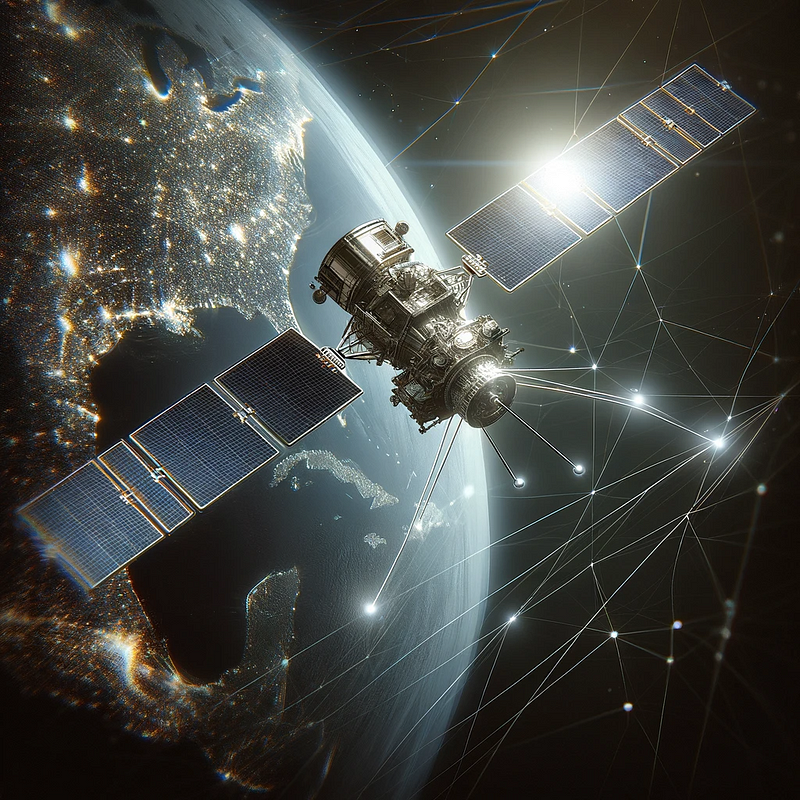
As the space industry skyrockets, so does its attractiveness as a target in global conflicts, making cybersecurity in this domain not just a matter of technological integrity but a critical component of world security.

NASA’s recent unveiling of the Space Security Best Practices Guide marks a significant stride in addressing these cybersecurity challenges.

This 57-page document, a result of increasing apprehensions about hackers targeting satellite networks and other space-related initiatives, is more than a mere procedural manual.

It’s a crucial framework designed to safeguard the burgeoning space industry against emerging cyber threats.

In a world where conflicts are no longer confined to Earth’s boundaries, this guide addresses a looming reality: the extension of these conflicts into the vast expanse of space.

The stakes are high.

A Bold Response to Growing Threats

The guide’s inception aligns with concerns raised by various intelligence agencies about the vulnerabilities of the space industry.

By basing its framework on the National Institute of Standards and Technology’s (NIST) Special Publication 800–53, NASA is not just bolstering its own missions but also setting a precedent for international partners and the global space economy.

With the industry poised to surpass a trillion dollars by 2030, these measures are timely and crucial.

The Ukraine Conflict: A Wake-Up Call for Space Cybersecurity

The war in Ukraine has thrust into sharp relief the vital role of satellites in modern warfare and the urgent need for enhanced cybersecurity in space.

As of May 1, 2022, out of 5,465 satellites orbiting Earth, a considerable number are military satellites owned mainly by the U.S., China, and Russia.
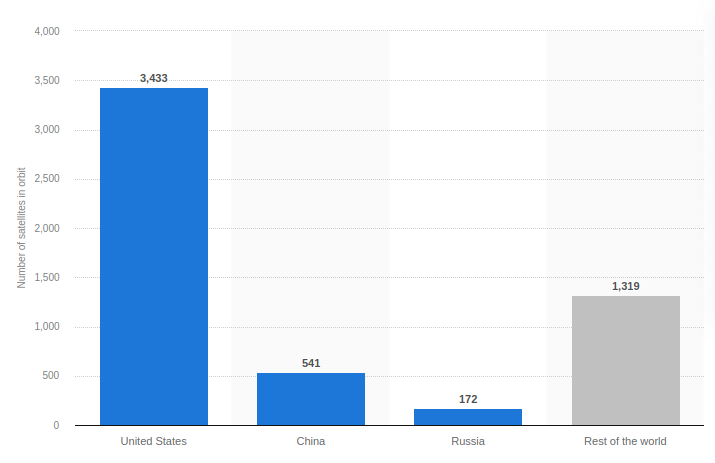
Ukraine, while not possessing its own satellites, benefits from the support of European and American allies.

This conflict has made clear the distinction between the militarization of space (using space capabilities to support ground military operations) and the weaponization of space (deploying weapons in orbit).

A critical example of this was Russia’s cyberattack against the American satellite operator ViaSat, intended to disrupt Ukrainian military communications but also impacting several European countries.

This incident illustrates the interconnected and vulnerable nature of space assets.

The Ukraine conflict serves as a reminder of the potential for future space warfare, where cyberattacks could target satellite communications, disrupting military operations and civilian life.

This evolving landscape underscores the critical need for secure and resilient space systems in an era where conflicts transcend terrestrial boundaries.

Bridging Terminology Gaps

NASA’s approach, translating the technicalities of NIST standards into accessible language for various space mission participants, is commendable.

This inclusivity extends to corporates and academic institutions, broadening the guide’s applicability across different facets of space exploration and research.

Understanding and Mitigating Risks

Misty Finical, NASA’s deputy principal advisor for enterprise protection, emphasizes the guide’s role in identifying and mitigating risks.

“At NASA, we recognize the importance of protecting our space missions from potential threats and vulnerabilities. This guide represents a collective effort to establish a set of principles that will enable us to identify and mitigate risks and ensure continued success of our missions, both in Earth’s orbit and beyond.”

It addresses specific threats, such as the exploitation of mission ground systems and the potential for onboard disruptions.

By acknowledging the possibility of communication jamming and spoofing, the guide underscores the evolving nature of cyber threats in space.

A Proactive Stance on Communications Security

The guide’s focus on securing communication systems against jamming and spoofing resonates strongly, especially given recent incidents where such vulnerabilities have been exploited.

This proactive stance is critical in ensuring the integrity and availability of data transmitted through space.

An Evolving Framework

NASA’s commitment to collecting feedback and integrating it into future versions of the guide illustrates an understanding that cybersecurity is a dynamic field.

This adaptability is vital for staying ahead of threat actors and ensuring the long-term success of space missions.

Conclusion: A Milestone for Space Cybersecurity

In summary, NASA’s Space Security Best Practices Guide is a comprehensive, adaptable framework that not only protects NASA’s missions but also serves as a beacon for the entire space industry.

This guide will undoubtedly play a crucial role in ensuring that our explorations are secure, reliable, and resilient against cyber threats.

Enjoyed the read? For more on Web Development, JavaScript, Next.js, Cybersecurity, and Blockchain, check out my other articles here:

If you have questions or feedback, don’t hesitate to reach out at [email protected] or in the comments section.

[Disclosure: Every article I pen is a fusion of my ideas and the supportive capabilities of artificial intelligence. While AI assists in refining and elaborating, the core thoughts and concepts stem from my perspective and knowledge. To know more about my creative process, read this article.]

Cybersecurity
Space
Technology
Startup
Programming
Recommended from ReadMedium